In fast-paced warehouses, distribution centres, and industrial facilities, storage organization is often treated as a background function, something that simply needs to work. But when storage systems are poorly designed or improperly maintained, the hidden costs can quietly drain productivity, increase safety risks, and erode profitability over time. Many businesses underestimate how much inefficient storage impacts daily operations until the problems become impossible to ignore.
At Westbow Systems, we have seen firsthand how thoughtful storage design and high-quality systems can transform operational efficiency. This article explores the real, often overlooked costs of poor storage organization and provides practical, proven strategies to fix them before they affect your bottom line.
1. Lost Productivity and Wasted Time
One of the most immediate consequences of poor storage organization is lost productivity. When inventory is difficult to locate, employees spend excessive time searching for products, tools, or materials instead of completing value-added tasks. Even small delays, repeated dozens or hundreds of times per day, quickly add up.
Disorganized aisles, unclear labeling, and inefficient layouts force workers to backtrack, navigate bottlenecks, or manually rearrange items. Forklift operators may need to reposition pallets multiple times just to access the correct load, slowing down picking and put-away processes.
Over weeks and months, this inefficiency can significantly reduce throughput and order fulfillment speed. In competitive markets where customers expect rapid turnaround times, poor storage organization becomes a serious disadvantage.
How to fix it:
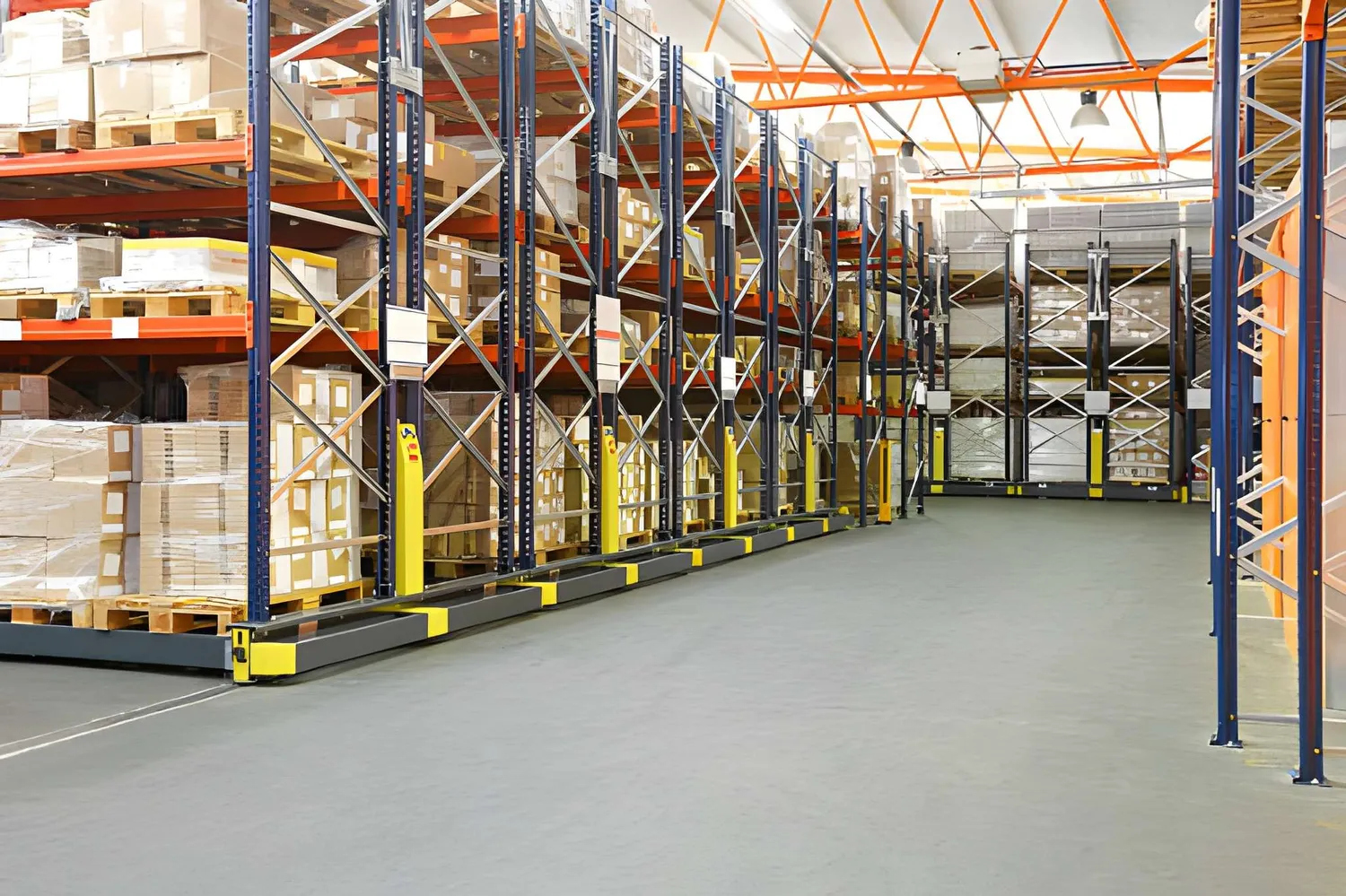
A well-planned storage layout supported by properly designed Pallet Racking systems ensures clear access paths, logical inventory placement, and faster picking cycles. Optimizing aisle widths, rack heights, and SKU positioning can dramatically reduce travel time and improve workflow efficiency.
2. Increased Labor Costs
When productivity drops, labor costs inevitably rise. Employees may need to work longer shifts or overtime to meet demand, simply because storage inefficiencies slow down normal operations. In some cases, businesses compensate by hiring additional staff, increasing payroll expenses without truly solving the root problem.
Disorganized storage also increases training time for new employees. When systems are confusing or inconsistent, it takes longer for workers to learn where items are stored and how to retrieve them safely. This not only affects efficiency but also raises the risk of costly errors.
How to fix it:
Investing in standardized, scalable storage systems reduces complexity and simplifies training. Warehouse Pallet Racking solutions designed around your specific inventory and operational flow create consistency, making it easier for employees to work efficiently from day one.
3. Higher Risk of Workplace Injuries
Safety is one of the most critical, and costly, areas impacted by poor storage organization. Overloaded racks, unstable pallet stacking, blocked aisles, and poorly maintained storage systems significantly increase the risk of accidents.
Common incidents include falling inventory, forklift collisions, and employee strains caused by awkward lifting or reaching. These accidents can lead to workers’ compensation claims, lost workdays, increased insurance premiums, and potential regulatory fines.
Beyond the financial impact, workplace injuries harm employee morale and can damage your company’s reputation as a safe employer.
How to fix it:
Properly engineered Pallet Racking systems, installed and maintained according to industry standards, create a safer work environment. Clear aisle markings, load capacity signage, and regular inspections help ensure that storage systems support safe operations rather than introduce hazards.
4. Inventory Damage and Product Loss
Poor storage organization often leads to damaged goods. Improper stacking, overcrowded racks, and inadequate load support can cause pallets to collapse or products to shift and break. Fragile or high-value items are especially vulnerable in poorly designed storage environments.
In addition to visible damage, disorganization can result in hidden inventory loss. Items may be misplaced, buried behind other stock, or forgotten entirely, leading to shrinkage and inaccurate inventory records.
These losses directly impact profitability and can disrupt supply chains when products are assumed to be available but cannot be located.
How to fix it:
A structured storage system with clearly defined locations for each SKU reduces handling errors and product damage. Custom Warehouse Pallet Racking configurations can be designed to support specific load types, weights, and dimensions, ensuring products are stored securely and accessibly.
5. Inefficient Use of Space
Warehouse space is expensive, and poor storage organization often means you’re not using it effectively. Low rack heights, inconsistent pallet placement, and outdated storage systems can leave valuable vertical space unused.
When space is poorly utilized, facilities may appear full even when additional capacity is available. This can force businesses to rent additional warehouse space or expand prematurely, both of which significantly increase operational costs.
How to fix it:
Modern Pallet Racking solutions are designed to maximize vertical and horizontal space while maintaining accessibility and safety. By reconfiguring your storage layout and using higher-density racking systems where appropriate, you can increase storage capacity without increasing your facility’s footprint.
6. Slower Order Fulfillment and Customer Dissatisfaction
In today’s on-demand economy, customers expect fast and accurate order fulfillment. Poor storage organization directly affects picking accuracy and speed, leading to delayed shipments, incorrect orders, and frequent backorders.
These issues can damage customer relationships, result in lost repeat business, and negatively impact brand reputation. Over time, customer dissatisfaction can be far more costly than the investment required to improve storage systems.
How to fix it:
Organized storage layouts aligned with picking strategies, such as FIFO (first-in, first-out) or high-frequency item placement, streamline order fulfillment. Well-designed racking systems support efficient picking routes and reduce errors, helping businesses meet customer expectations consistently.
7. Increased Equipment Wear and Maintenance Costs
Disorganized storage environments put additional strain on material handling equipment. Forklifts navigating tight or cluttered aisles experience more collisions, abrupt stops, and uneven loads, leading to faster wear and higher maintenance costs.
Damage to racking systems from equipment impacts can also compromise structural integrity, requiring frequent repairs or replacements. These costs often go unnoticed until they accumulate into significant expenses.
How to fix it:
Proper aisle design, clear traffic flow, and robust racking systems reduce equipment strain and minimize accidental damage. High-quality Warehouse Pallet Racking solutions are engineered to withstand daily operational demands while maintaining long-term durability.
8. Compliance and Regulatory Risks
Warehouses must comply with various safety and building regulations related to storage systems. Poorly organized or improperly installed racking can result in non-compliance, exposing businesses to inspections, fines, or forced shutdowns.
Failing to meet regulatory requirements can also complicate insurance claims following accidents or damage, increasing financial risk.
How to fix it:
Working with experienced storage system providers ensures that your racking solutions meet applicable codes and safety standards. Regular inspections and professional assessments help maintain compliance and reduce regulatory risk.
9. Limited Scalability and Growth Constraints
As businesses grow, storage needs change. Poorly planned storage systems often lack flexibility, making it difficult to adapt to new inventory types, increased volume, or changing workflows.
This lack of scalability can slow growth and force costly system overhauls when incremental adjustments would have sufficed with better planning.
How to fix it:
Modular Pallet Racking systems offer flexibility and scalability, allowing businesses to reconfigure layouts as needs evolve. Planning for future growth from the outset ensures that storage systems remain an asset rather than a limitation.
10. The Long-Term Cost of Inaction
Perhaps the most significant hidden cost of poor storage organization is the cumulative effect over time. Individually, inefficiencies may seem manageable, but together they create a persistent drain on resources, morale, and profitability.
Ignoring storage issues often leads to reactive fixes rather than strategic improvements, resulting in higher costs and greater disruption in the long run.
How to fix it:
A proactive approach to storage organization, focused on efficiency, safety, and scalability, delivers long-term value. Investing in the right systems today can prevent years of unnecessary expense and operational frustration.
How Westbow Systems Helps Solve Storage Challenges
Westbow Systems specializes in designing and delivering tailored storage solutions that address the unique challenges of modern warehouses and industrial facilities. By combining industry expertise with high-quality materials and thoughtful design, Westbow Systems helps businesses eliminate inefficiencies and unlock the full potential of their storage space.
From assessment and layout planning to installation and ongoing support, the right storage partner ensures that your organization’s needs are met both now and in the future.
Conclusion
Poor storage organization carries hidden costs that affect nearly every aspect of warehouse operations, from productivity and safety to customer satisfaction and long-term growth. While these issues may not always be immediately visible, their impact is real and significant.
By investing in well-designed Pallet Racking and Warehouse Pallet Racking solutions, businesses can transform storage from a liability into a strategic advantage. With the right systems in place, warehouses become safer, more efficient, and better equipped to support