Creating the perfect home theater experience requires more than just a high-quality screen and immersive sound system. One of the most crucial elements is theater seating, as it significantly affects comfort, visibility, and overall enjoyment. Whether you're designing a new home theater or upgrading your existing setup, choosing the right seats is essential for an optimal viewing experience. This guide will help you understand the key factors to consider when selecting the best theater seating for your home.
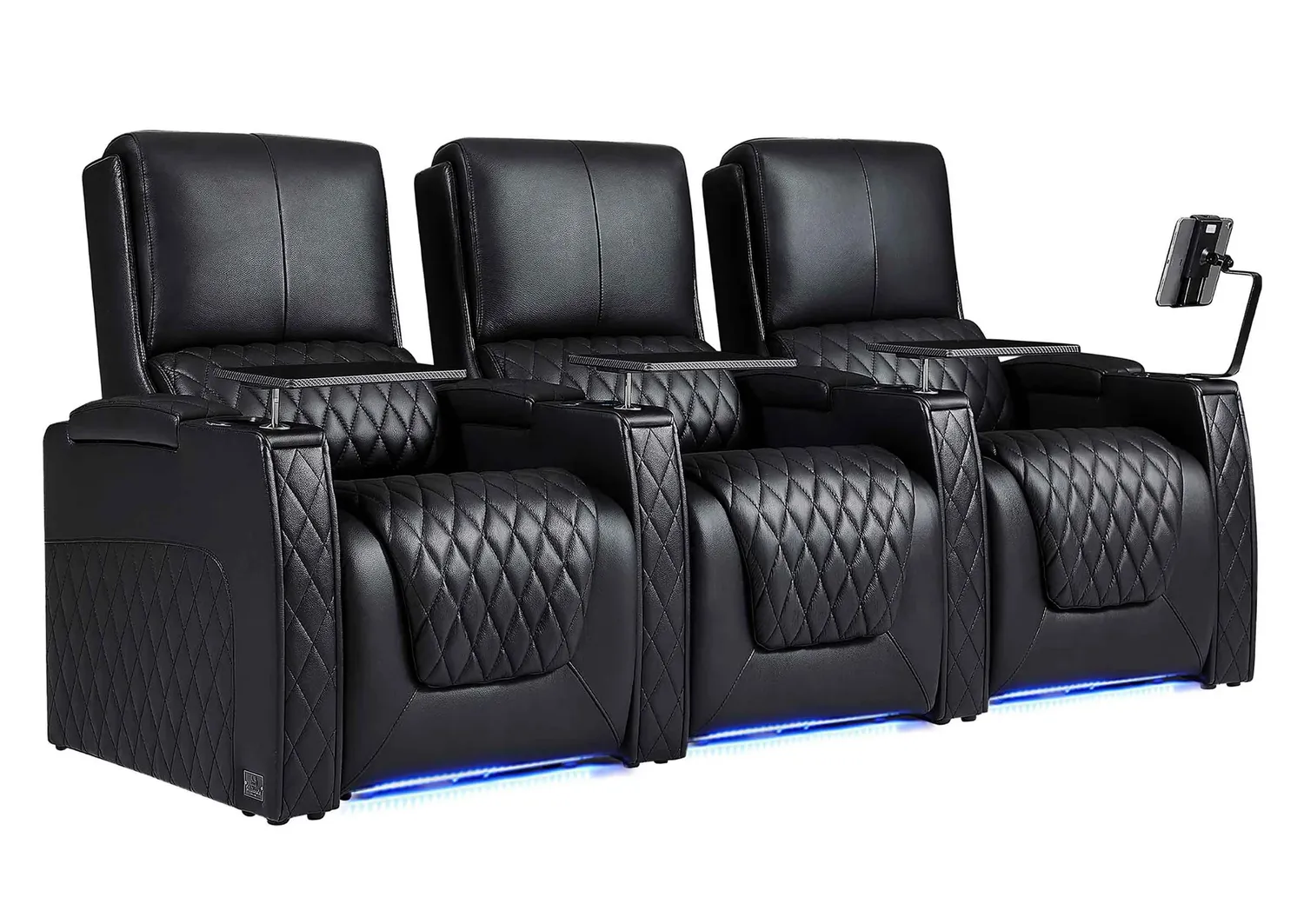
Understanding Theater Seating Types
There are various types of theater seating options, each designed to enhance comfort and functionality. Some of the most popular choices include:
- Recliners – These seats provide superior comfort with adjustable footrests and backrests. Many modern home theater recliners include features like built-in cup holders, USB charging ports, and even massage functions.
- Loveseats and Sofas – If you prefer a more casual seating arrangement, a loveseat or sectional sofa can be a great choice. These options provide flexibility, making them ideal for family movie nights.
- Row Seating – Traditional movie theater-style row seating offers a classic cinema feel. They often come in multiple configurations, including straight or curved arrangements to optimize viewing angles.
- Stadium Seating – For those who want an authentic theater experience, stadium-style seating (where each row is elevated higher than the one in front) ensures unobstructed views.
Key Factors to Consider When Choosing Theater Seating
Comfort and Ergonomics
Since movie-watching sessions can last for hours, comfort should be a top priority. Look for seats with ergonomic support, adequate padding, and breathable materials to prevent discomfort during extended use. Some high-end options even include memory foam cushions for added luxury.
Seat Size and Space Considerations
Before purchasing, measure your available space to ensure the seats will fit comfortably. Keep in mind:
- Standard home theater recliners typically range from 22 to 30 inches in width per seat.
- Allow for adequate space between rows (at least 20 inches for legroom and pathways).
- If opting for recliners, factor in the additional space needed for full reclining.
Material and Upholstery Choices
The material of your theater seating can affect both comfort and maintenance. Some common upholstery options include:
- Leather – A premium choice known for durability and elegance. Leather is easy to clean but may be prone to temperature changes.
- Faux Leather – A budget-friendly alternative that mimics the look of real leather but may wear out faster.
- Fabric – Offers a cozy feel and is available in various textures, though it may require more maintenance.
- Microfiber – Stain-resistant and easy to clean, making it a great option for households with kids or pets.
Viewing Angles and Placement
Proper seating placement ensures everyone gets the best view of the screen. Consider the following:
- The ideal distance between the screen and seating depends on your screen size. For a 100-inch screen, seating should be approximately 10-12 feet away.
- The center of the screen should be at eye level to reduce neck strain.
- A curved seating arrangement can enhance viewing angles for a more immersive experience.
Additional Features for Enhanced Experience
Modern theater seating comes with various high-tech features to enhance convenience and luxury, including:
- Motorized Recline – Allows you to adjust seat positions effortlessly.
- LED Lighting – Built-in LED strips can provide subtle ambient lighting.
- Cup Holders and Tray Tables – Keep snacks and drinks within easy reach.
- USB and Power Outlets – Charge devices while watching.
- Vibration and Massage Functions – Some premium seats include built-in massage options for added relaxation.
Choosing the Right Layout for Your Home Theater
The seating arrangement plays a major role in the overall experience. Some popular configurations include:
- Single Row Layout – Ideal for smaller home theaters, ensuring a clear view for everyone.
- Two or More Rows – For larger rooms, multiple rows with staggered seating improve visibility. Consider using risers to create a stadium-style layout.
- Curved Seating Layout – Helps optimize viewing angles, especially for ultra-wide screens.
Budget Considerations
Theater seating can range from budget-friendly options to high-end luxury models. Setting a budget beforehand can help narrow down choices. General price ranges include:
- Budget ($300-$800 per seat) – Basic recliners and sofas without many advanced features.
- Mid-Range ($800-$2,000 per seat) – Higher-quality materials, motorized recline, and additional features like cup holders.
- Luxury ($2,000+ per seat) – Premium leather, built-in massage functions, and advanced customization options.
Maintenance and Care Tips
To keep your theater seating in top condition:
- Regularly clean leather or fabric surfaces with appropriate cleaners.
- Avoid placing seats in direct sunlight to prevent fading.
- Check for any loose screws or reclining mechanisms that may need adjustments.
- Use armrest covers and seat protectors to minimize wear and tear.
Final Thoughts
Selecting the best theater seating is about balancing comfort, aesthetics, functionality, and budget. By considering factors such as seat type, material, layout, and additional features, you can create the ultimate home theater experience. Investing in high-quality, ergonomic seats ensures you and your guests enjoy movie nights in the best possible way.
Web:- https://weiliandahome.com/
#movietheaterseats, #movietheaterseating, #movietheaterseat, #theaterseating, #hometheaterseats, #theaterseatingforhome