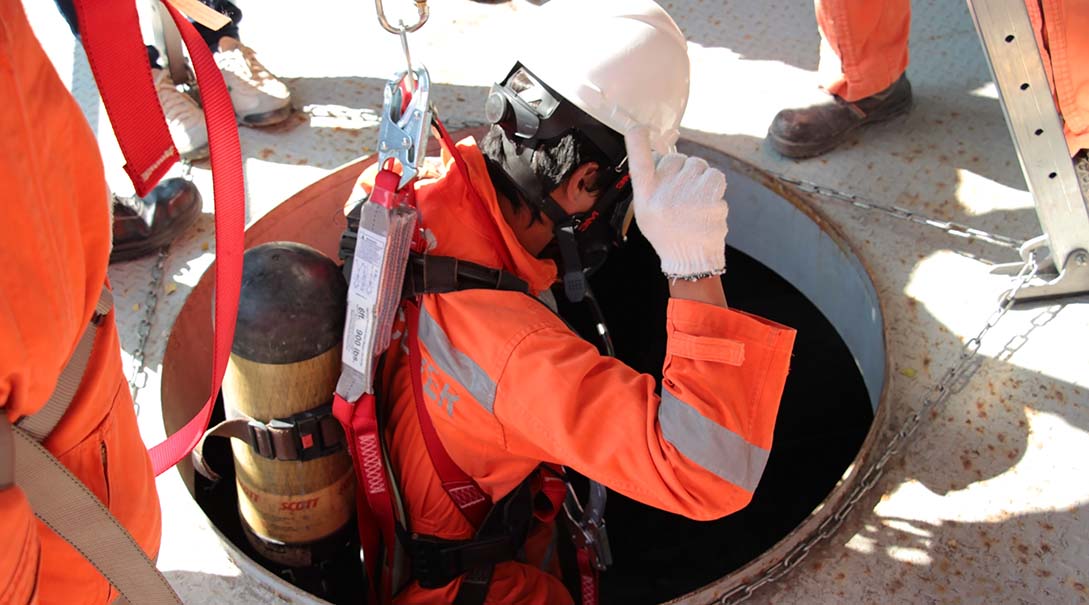
Starting a new job in an industrial environment can be exciting, but it also comes with a lot of responsibility—especially when confined spaces are involved. Tanks, pits, silos, vaults, and underground chambers don’t always look dangerous, yet they are some of the most high-risk areas on any worksite. This is why Confined Space Entry Training is one of the first and most important safety lessons new workers must understand.
This training isn’t about memorizing rules. It’s about learning how to think before acting, recognize hidden dangers, and make decisions that protect your life and the lives of others.
What Makes a Space “Confined”?
A confined space isn’t just a tight or uncomfortable area. It’s a space that isn’t meant for continuous work, has limited entry or exit points, and can quickly become unsafe due to poor ventilation. Air inside these spaces can change without warning, allowing gases to build up or oxygen levels to drop.
One common mistake beginners make is expecting danger to be obvious. In reality, confined space hazards are often invisible. You can’t see oxygen loss. You can’t always smell toxic gases. By the time symptoms appear, the situation may already be serious.
Why New Workers Are More Vulnerable
Most confined space incidents involve workers who are new, unfamiliar with procedures, or under pressure to finish tasks quickly. Confined Space Entry Training helps beginners understand why shortcuts are risky and why safety procedures exist.
Through training, new workers learn:
· How confined spaces behave differently from open areas
· How small errors can escalate into emergencies
· When stopping work is the safest decision
Good training builds awareness, not fear—and that awareness saves lives.
Air Hazards You Can’t Ignore
One of the most dangerous risks in confined spaces is unsafe air. Oxygen levels may fall below safe limits, toxic gases can accumulate, and flammable vapors may form without any warning signs.
That’s why air testing is mandatory before entry and during work. Gas monitors are used to check conditions continuously, and many sites rely on professional gas detectors to alert workers when something changes. These tools provide critical information that workers can’t sense on their own.
Simple Safety Practices That Matter
Safety inside confined spaces doesn’t depend on complex actions—it depends on consistency. Every new worker should follow these basic steps:
· Never enter a confined space without approval
· Always follow the permit system
· Test the atmosphere before entering and continue monitoring
· Make sure ventilation is working properly
· Wear required protective equipment
· Maintain communication with attendants outside
Confined Space Entry Training reinforces that doing things correctly is always more important than doing them quickly.
Teamwork Is Not Optional
Confined space work is never a one-person job. Supervisors, attendants, entrants, and rescue teams all play important roles. Training helps new workers understand these roles and why communication is critical.
If something feels wrong, speaking up is the right move. Many accidents happen because workers stay silent or assume someone else will act.
How Training Has Evolved Today
Modern safety programs are far more practical than they used to be. Instead of long lectures, companies now focus on real-world learning. Today’s Confined Space Entry Trainingoften includes digital permits, real-time monitoring, scenario-based exercises, and clear emergency planning.
These updates help new workers understand risks faster and prepare them for real situations without learning through accidents.
Long-Term Benefits of Proper Training
Confined space training does more than prevent injuries. It builds confidence. Workers who understand hazards and procedures feel more in control and more respected on the job.
Over time, well- experience trainer and trained team’s fewer incidents, less downtime, and smoother operations. A strong safety culture doesn’t slow work down—it keeps it running.
Final Thoughts
Confined spaces don’t have to be dangerous when the right knowledge and habits are in place. With proper training, clear communication, and respect for safety procedures, risks can be managed effectively.
For new workers, learning how to recognize hidden dangers, trust accurate monitoring, and make calm decisions under pressure can make all the difference. Safety isn’t just a rule—it’s a skill that protects your future.