Introduction
Gift shops are ubiquitous in our modern world, offering an array of trinkets, souvenirs, and unique items that cater to diverse tastes and occasions. But have you ever wondered how these delightful stores came into existence and the cultural forces that have shaped them over the centuries? In this blog, we will embark on a fascinating journey through time to explore the history and cultural influence of gift shops.
The Origins of Gift Shops
To trace the origins of gift shops, we must journey back to ancient civilizations where the concept of exchanging gifts was deeply ingrained in society. In ancient Egypt, people exchanged tokens of goodwill and affection, which often included small trinkets and tokens. These early exchanges laid the foundation for the modern gift shop.
During the Middle Ages in Europe, pilgrimage routes became popular, and souvenir shops emerged along these routes. Pilgrims would purchase religious relics and mementos as keepsakes of their journeys. This marked the emergence of commercial establishments that catered specifically to travelers seeking memorabilia.
The Rise of Colonial Trade
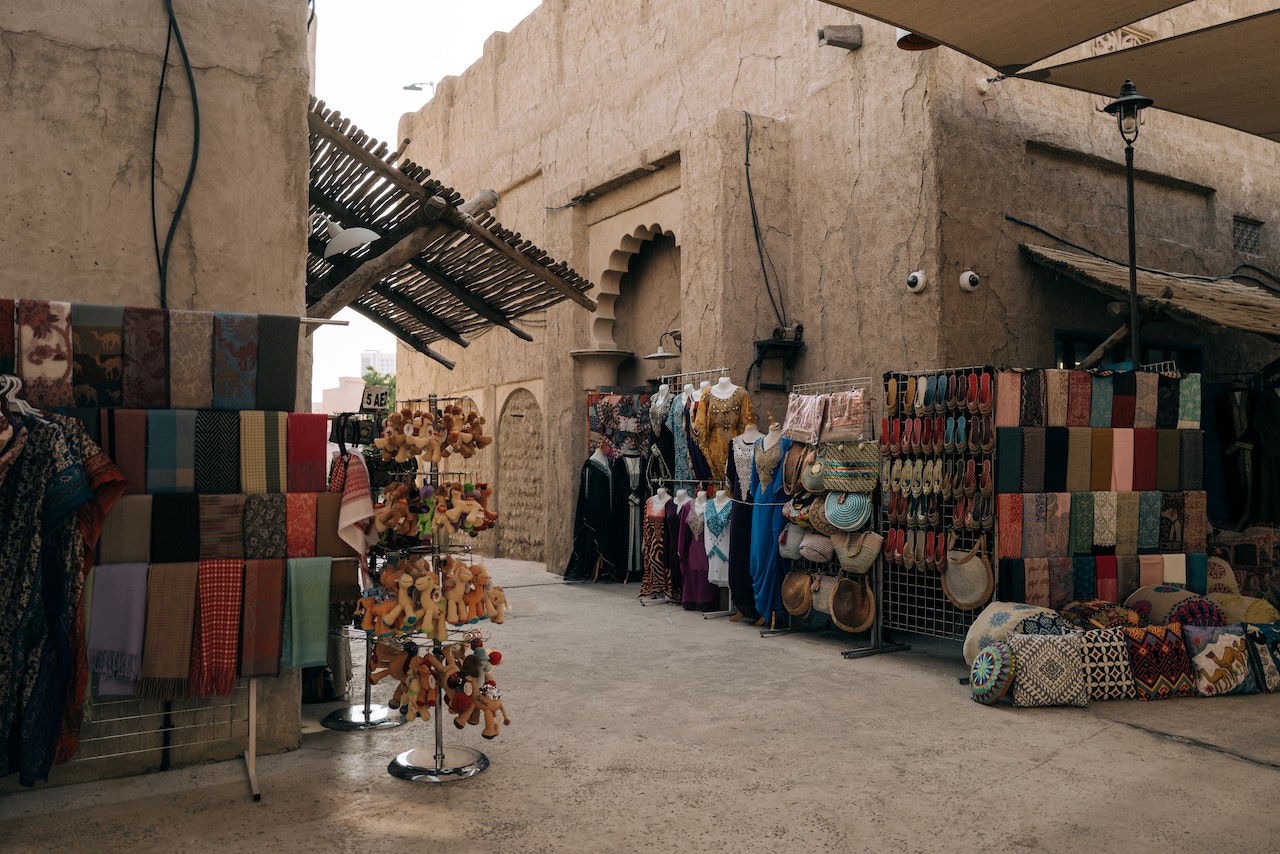
The Age of Exploration and colonialism in the 16th and 17th centuries played a significant role in the development of gift shops. As European powers established colonies around the world, they brought back exotic goods and curiosities. These items quickly found their way into European markets, and shops selling these novelties began to thrive.
For example, the spice trade from Asia introduced Europeans to aromatic spices like cinnamon, pepper, and cloves, which became highly sought-after items. These spices not only added flavor to European cuisine but also became popular gifts, often presented in ornate containers made of precious materials.
The cultural exchange between the East and the West during this period also led to the popularization of Asian art and artifacts in European gift shops. Chinese porcelain, Indian textiles, and Japanese prints became highly sought-after items, creating a global marketplace for unique gifts.
The Victorian Era and the Birth of the Souvenir Shop
The Victorian era in the 19th century marked a turning point in the evolution of gift shops. The rise of the middle class and increased leisure travel led to the establishment of souvenir shops in popular tourist destinations. These shops offered visitors an opportunity to purchase mementos that represented the places they had visited. Items like postcards, figurines, and locally crafted goods became staples of these early souvenir shops.
One notable example is the emergence of seaside souvenir shops in coastal towns across Europe. These shops often featured seashell-themed jewelry, miniature lighthouses, and other nautical-themed items, capturing the essence of a seaside vacation.
The Influence of World Fairs
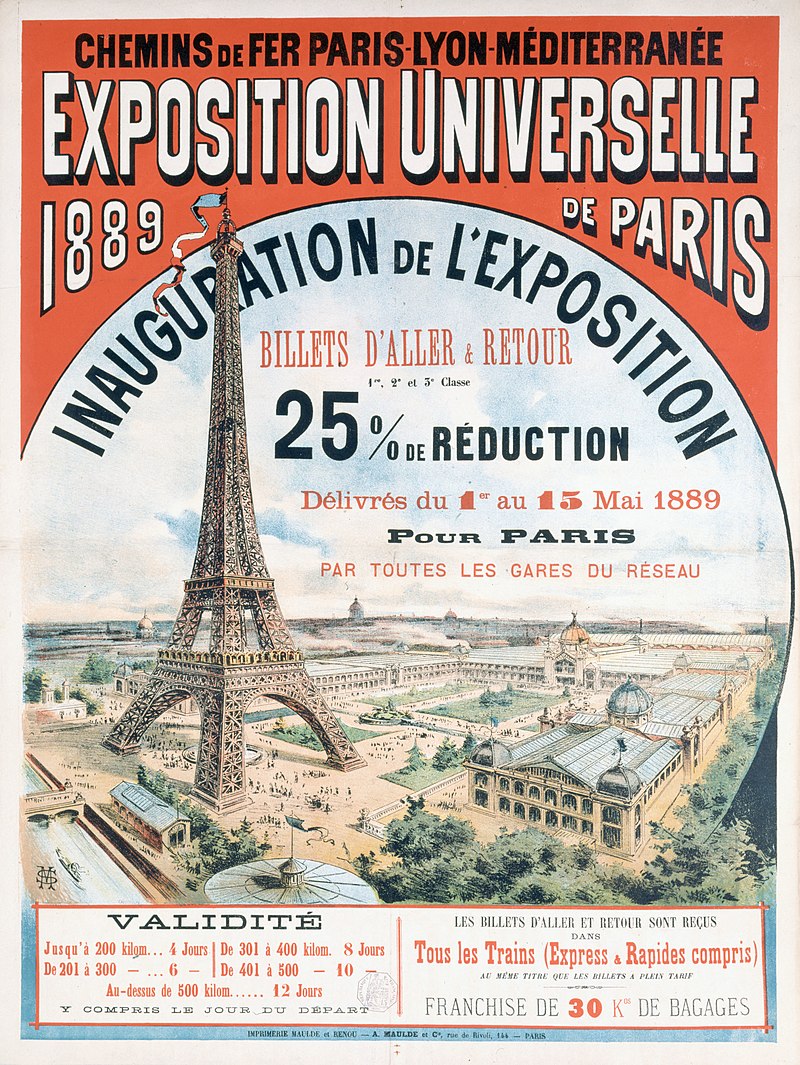
The late 19th and early 20th centuries saw the emergence of world fairs and expositions, where nations showcased their culture, technology, and industry. These events attracted millions of visitors and became a breeding ground for gift shops. Countries participating in these fairs set up pavilions where they sold unique and exotic items from their homeland. The success of these gift shops at world fairs helped solidify the concept of gift shops as places to find unique and culturally significant items.
For example, the 1889 Exposition Universelle in Paris featured a pavilion dedicated to showcasing the art and craftsmanship of the Islamic world. Visitors could purchase intricate carpets, ornate ceramics, and finely detailed textiles, introducing them to the beauty of Islamic art.
Cultural Influence on Gift Shops
Gift shops have always been deeply influenced by the cultures they represent. In different regions of the world, gift shops offer a diverse array of products that reflect local traditions, art, and craftsmanship. For example:
Japanese Gift Shops
These shops often feature traditional items like kimonos, tea sets, and origami, reflecting Japan's rich cultural heritage. Visitors can also find beautifully crafted ceramics adorned with intricate patterns inspired by nature.
Middle East Gift Shops
Visitors can find beautifully crafted masks, sculptures, and textiles that showcase the artistic traditions of various African cultures. Each region of Africa has its own unique style and symbolism, making these gifts both visually striking and culturally meaningful.
Indian Bazaars
India's gift shops are known for their vibrant textiles, intricate jewelry, and spices, reflecting the country's rich history and diversity. Visitors can explore a kaleidoscope of colors and patterns in fabrics and choose from a wide variety of spices to recreate the flavors of Indian cuisine at home.
Native American Trading Posts
These shops offer traditional Native American crafts, such as pottery, beadwork, and jewelry, preserving indigenous artistry. Each piece often carries deep symbolism and storytelling, connecting buyers to the rich cultural heritage of Native American tribes.
European Boutiques: In Europe, gift shops often carry items like Swiss watches, French perfumes, and Italian leather goods, representing the continent's luxury and craftsmanship. These items are often associated with the timeless elegance of European culture and design.
The Evolution of Gift Shop Architecture
As gift shops gained prominence, their architectural designs evolved to meet the demands of both tourists and shoppers. In the 19th century, many European souvenir shops featured quaint, cottage-like structures, often adorned with decorative elements that reflected the local culture. These charming facades created an inviting atmosphere, drawing tourists and shoppers alike.
In contrast, some gift shops in bustling urban centers embraced a more modern and eclectic architectural style. They used ornate signage, large display windows, and unique storefront designs to capture the attention of passersby. This architectural diversity added to the overall charm of gift shops and contributed to their cultural appeal.

Gift Shops in Popular Culture
Gift shops have also played a significant role in popular culture. They have been featured in literature, films, and television shows, often as settings for important scenes or as symbols of sentimentality. For instance, in the film "Breakfast at Tiffany's," the iconic Tiffany & Co. jewelry store serves as a backdrop for key moments in the story, symbolizing luxury and aspiration.
In literature, gift shops have been used to explore themes of memory, nostalgia, and the passage of time. Characters often find solace or connection through the act of selecting and giving gifts. These portrayals in popular culture have reinforced the idea that gift shops are places where emotions and memories are preserved and celebrated.
The Ethical and Sustainable Gift Shop Movement
In recent years, there has been a growing awareness of the environmental and ethical impact of consumerism. This awareness has influenced the gift shop industry, leading to the rise of ethical and sustainable gift shops. These shops prioritize products made from eco-friendly materials, support fair trade practices, and promote local artisans.
Ethical and sustainable gift shops often feature items such as handmade organic clothing, recycled jewelry, and products that support charitable causes. These shops not only provide unique and meaningful gifts but also contribute to a more responsible and conscious approach to consumerism.
Modern Gift Shops and Beyond
Today, gift shops continue to evolve, embracing e-commerce and catering to a global audience. Online gift shops allow people to access unique and culturally significant items from around the world with just a few clicks. However, traditional brick-and-mortar gift shops still thrive, offering a tactile and immersive shopping experience.
In the 21st century, the gift shop industry faces new challenges and opportunities in the digital age. Online marketplaces and e-commerce platforms have expanded the reach of gift shops, allowing them to connect with customers worldwide. Virtual gift shops offer a wide range of items, from personalized gifts to digital downloads, providing convenience and accessibility.
Furthermore, augmented reality (AR) and virtual reality (VR) technologies are changing the way people shop for gifts. Customers can now explore virtual gift shops, interact with 3D representations of products, and even personalize items in a virtual environment.
In Conclusion
The history and cultural influence of gift shops are rich and diverse, spanning centuries and continents. From their humble origins in ancient exchanges to their role in shaping the retail landscape of today, gift shops have remained a vital part of human culture. Whether you seek a souvenir from a distant land, a token of affection for a loved one, or a unique piece of art, gift shops continue to offer a treasure trove of possibilities. As we look to the future, the gift shop industry will undoubtedly adapt to new technologies and changing consumer preferences while preserving the timeless charm of these delightful stores. So, the next time you step into a gift shop, remember that you are not only entering a place of commerce but also a portal to history, culture, and the art of thoughtful giving.