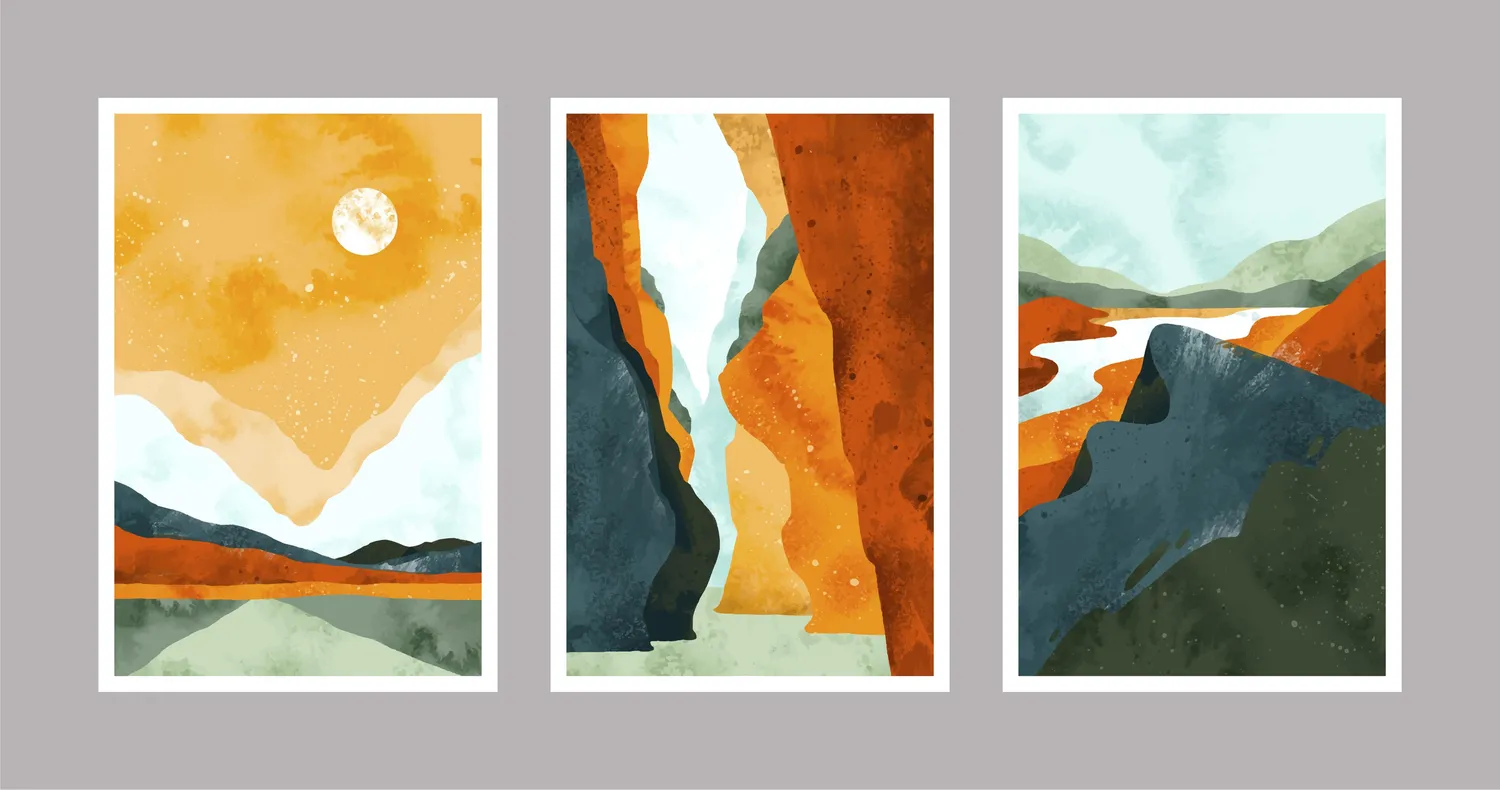
Minimalist interiors have become increasingly popular in Australian homes. The clean lines, open spaces, and neutral color palettes create a calming environment that feels both modern and timeless. However, even the simplest spaces benefit from carefully chosen decorative elements, and one of the most effective ways to introduce personality and warmth is through wall art. Canvas wall art is particularly well-suited to minimalist interiors, as it can add subtle texture, color, and visual interest without overwhelming the space. In this article, we will explore how to choose the right canvas pieces to complement Australian minimalist interiors.
Understanding Minimalist Design Principles
Before selecting canvas wall art, it’s important to understand the core principles of minimalist design. Minimalism focuses on simplicity, functionality, and the idea that less is more. This means spaces are often uncluttered, with a restrained color palette and carefully curated furniture and décor. Every item in a minimalist home should serve a purpose or contribute to the overall aesthetic.
When adding art to a minimalist interior, the goal is to enhance the space rather than compete with it. Bold, busy, or overly colorful pieces can disrupt the balance of a minimalist room. Instead, look for canvas wall art that reflects the calm, serene, and uncluttered nature of the space.
Choosing Colors That Complement the Room
Color plays a crucial role in minimalist interiors. Most minimalist homes feature neutral tones like white, beige, gray, or soft pastels. To maintain harmony, canvas wall art should either echo the existing color palette or provide a subtle contrast.
For instance, a soft abstract piece in shades of gray, beige, and muted blue can blend seamlessly into a neutral living room. On the other hand, a single pop of color, like a muted ochre or dusty pink, can add warmth and interest without overpowering the space. When selecting canvas wall art, consider the mood you want to create. Cooler tones can evoke calm and tranquility, while warmer hues can add a sense of comfort and intimacy.
Focusing on Simple Designs
Minimalist interiors favor clean, simple designs over intricate or heavily detailed artwork. Canvas pieces with minimal lines, geometric shapes, or abstract forms work well in these settings. The goal is to create visual interest without adding clutter.
For example, a large canvas with a single geometric pattern can serve as a focal point on an otherwise empty wall. Similarly, abstract art with soft gradients or subtle textures can bring depth and sophistication without drawing too much attention. When choosing artwork, remember that negative space—the areas of the canvas left empty—can be just as important as the elements on it. It allows the eyes to rest and contributes to the overall sense of calm.
Considering Size and Placement
In minimalist interiors, scale is particularly important. A canvas that is too small can feel insignificant, while one that is too large can overwhelm the simplicity of the room. Measure the wall space carefully and choose artwork that feels balanced within the room’s proportions.
Placement is equally important. A single large canvas can become the focal point of a living room, bedroom, or hallway. Alternatively, a series of smaller canvases arranged in a grid or linear format can create a cohesive visual narrative. When hanging multiple pieces, keep the spacing consistent and avoid overcrowding the wall. The artwork should complement the architecture and furniture rather than compete with it.
Using Texture to Add Depth
While minimalism is often associated with smooth, flat surfaces, introducing texture through canvas wall art can add depth and tactile interest to a room. Textured canvases, such as those with layered paint, fabric elements, or embossed patterns, can make a wall feel more dynamic without cluttering the space.
For instance, a canvas with subtle brushstrokes or a raised pattern can catch the light and create gentle shadows, adding dimension to a neutral wall. This approach allows homeowners to maintain a minimalist aesthetic while still incorporating a sense of artistry and craftsmanship.
Maintaining Cohesion with Furniture and Décor
When selecting canvas wall art, it’s essential to consider the surrounding furniture and décor. Minimalist interiors often feature simple, functional furniture with clean lines. The artwork should feel integrated into this environment rather than standing apart.
For example, a living room with a sleek white sofa and a light wood coffee table might benefit from a large, neutral-toned canvas hung above the sofa. Similarly, a dining area with minimal furniture can be complemented by a horizontal canvas that spans the length of the table, tying the space together. Consider the scale, color, and style of both the furniture and the artwork to ensure a cohesive look.
Creating a Focal Point
In minimalist interiors, walls are often left bare or sparsely decorated. Canvas wall art can provide a focal point, drawing the eye and creating visual interest. This is especially effective in rooms with neutral walls or open layouts.
A striking piece of art above a bed, sofa, or console table can anchor the space and give the room a sense of purpose. Similarly, a large canvas in a hallway or entryway can set the tone for the rest of the home, creating an inviting atmosphere for residents and visitors alike. The key is to choose artwork that feels intentional and thoughtfully placed.
Exploring Themes and Inspiration
Minimalist interiors lend themselves well to certain themes, such as nature, architecture, or abstract forms. Canvas wall art inspired by natural elements, like landscapes, seascapes, or botanical motifs, can bring a sense of calm and balance to a room. Similarly, architectural sketches, cityscapes, or abstract geometric patterns can add sophistication and modernity.
When choosing a theme, think about the atmosphere you want to create. Soft, muted landscapes can evoke tranquility, while bold abstract forms can make a contemporary statement. The right canvas should resonate with the homeowner’s personal style while supporting the minimalist aesthetic.
Embracing a Less-is-More Approach
The central principle of minimalism is that less is more. This applies to wall art as much as it does to furniture and décor. Rather than filling every wall with multiple pieces, consider selecting a few key canvases that truly stand out.
A single large canvas or a carefully curated set of two or three pieces can make a stronger impact than numerous smaller works. Allow the walls to breathe and give each piece room to shine. This approach not only enhances the visual appeal but also reinforces the minimalist philosophy of simplicity and intentionality.
Investing in Quality
Quality is especially important in minimalist interiors because every element is more visible. High-quality canvas wall art can elevate a room, adding a sense of refinement and elegance. Look for pieces with durable materials, professional printing or hand-painted details, and well-finished frames or edges.
A well-chosen canvas not only enhances the aesthetics of a room but also demonstrates attention to detail and care in decorating. Investing in quality ensures that the artwork remains beautiful and impactful for years to come.
Canvas Wall Art in Australia
For homeowners seeking the perfect finishing touch, canvas wall art in Australia offers a wide variety of options suitable for minimalist interiors. Local artists and designers often create pieces that reflect contemporary trends, natural landscapes, and abstract forms. By exploring local sources, homeowners can find unique, high-quality canvases that align with their design vision. Supporting Australian artists also adds a personal and cultural dimension to the space, making it feel more connected and meaningful.
Conclusion
Choosing canvas wall art for Australian minimalist interiors requires a thoughtful approach that balances simplicity with visual interest. Consider the color palette, size, texture, and placement to ensure that each piece enhances the room without overwhelming it. Focus on clean, simple designs that complement the existing furniture and décor, and embrace a less-is-more philosophy to maintain the minimalist aesthetic.
With careful selection, canvas wall art can transform a minimalist interior, adding depth, character, and warmth while maintaining the calm, uncluttered atmosphere that defines this style. By investing in quality pieces and exploring options from local Australian sources, homeowners can create spaces that are both beautiful and reflective of their personal style. The result is a harmonious, elegant home where every detail, including the artwork on the walls, feels intentional and inspiring.