A mold concern can raise questions when musty smells, damp areas, or visible spots appear inside a home. A Home Inspection Contractor looks beyond the surface to understand where moisture may be present and what conditions support mold growth. The inspection involves careful observation, documentation, and targeted checks. Knowing what happens can help homeowners prepare useful questions before cleanup or repair work begins and understand what information the inspection can provide about the condition, moisture patterns, and areas that may need attention before any future repair or remediation decisions are made.
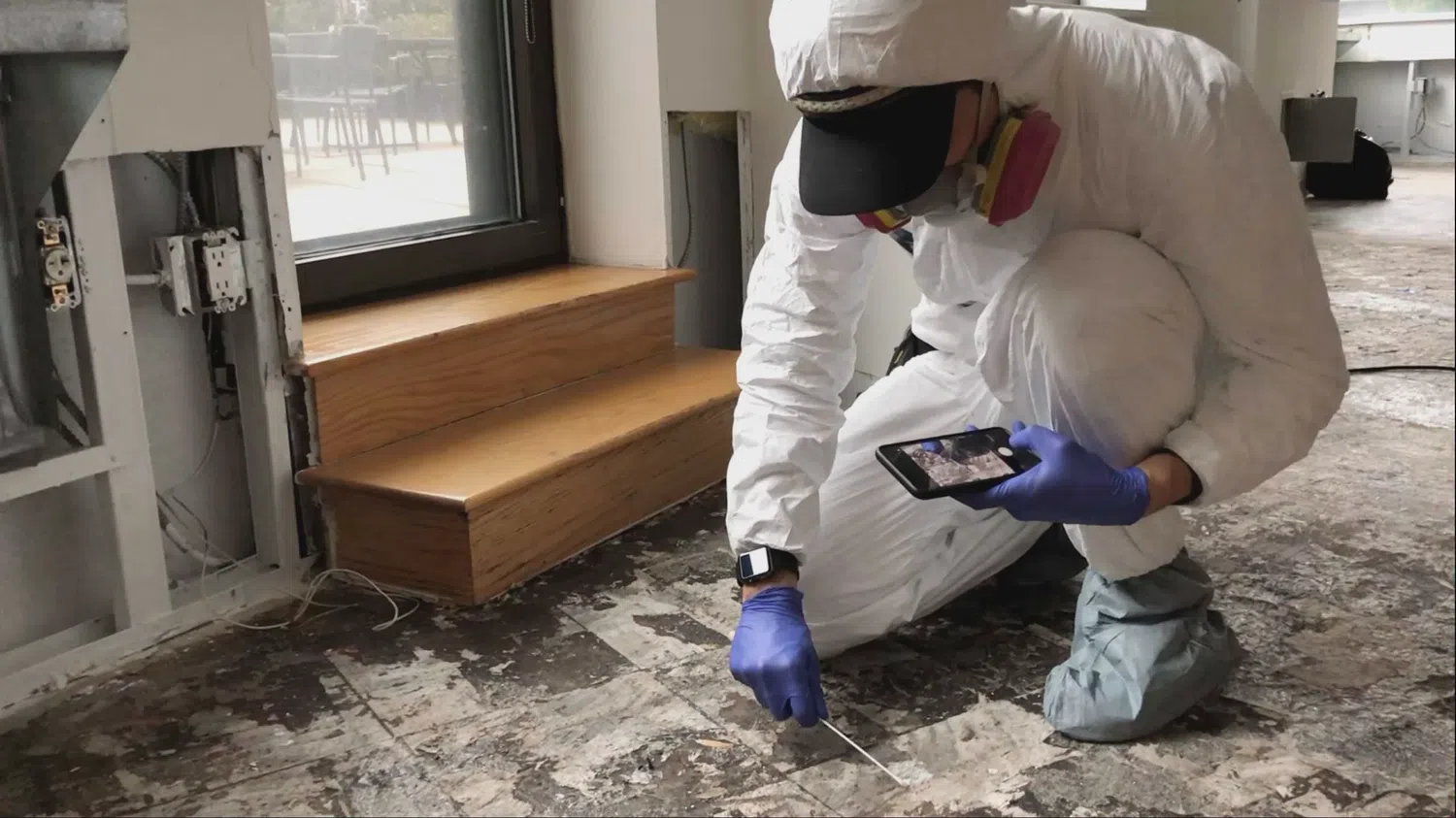
Start With a Detailed Visual Review
The first step is usually a detailed visual review of the property. A Home Inspection Contractor examines rooms, ceilings, walls, floors, windows, plumbing areas, and places where moisture can collect during the initial visit. The contractor looks for staining, condensation, leaks, unusual odors, and visible growth. This first pass helps establish where concerns exist and whether additional inspection may be needed in less accessible areas.
Look Closely at Moisture Sources
Moisture is often central to a mold inspection, so the contractor looks for signs that water is entering or staying inside the structure. Plumbing leaks, roof problems, poor ventilation, condensation, and drainage issues can all deserve attention. Rather than focusing only on visible mold, the inspection considers surrounding conditions. A Home Inspection House review can help connect visible concerns with possible moisture sources before repairs.
Use Moisture Measurements When Needed
A professional inspection may include moisture measurements when conditions call for them. The contractor can check walls, floors, ceilings, or other materials for unusual moisture levels and document areas that deserve closer review. These observations do not automatically identify every hidden issue, but they can guide the inspection. Homeowners should ask which areas were tested and what the findings mean for the property before decisions.
Explain the Inspection Scope Clearly
When discussing an inspection, homeowners may hear the phrase Home Inspection House in relation to broader property checks. A mold-focused visit can still involve questions about construction details, ventilation, plumbing, and previous water damage. The contractor should explain what falls within the inspection scope and what requires another specialist. Clear boundaries help prevent confusion about what the inspection can confirm and what it cannot determine about the property.
Check Areas That Are Hard to See
Some mold concerns involve areas that are difficult to see directly. The contractor may examine accessible spaces such as crawl areas, attics, utility zones, cabinets, or locations near known moisture problems. A Home Inspection House review can provide useful context when several property conditions need attention. However, hidden areas may require additional testing or specialist evaluation if evidence points beyond normal visual inspection and requires careful additional testing.
Document the Conditions Found
Documentation is another important part of the process. The contractor records observations, affected locations, moisture concerns, and other relevant conditions. Homeowners can use this information to discuss next steps with remediation companies, repair professionals, or other specialists. A Home Inspection for House report should separate observed conditions from assumptions, making it easier to carefully understand what the contractor actually found during the inspection process later.
Discuss Findings and Next Steps
After the inspection, the contractor discusses findings and explains areas that may need further attention. A Home Inspection Contractor may recommend addressing leaks, improving ventilation, repairing damaged materials, or consulting a qualified remediation professional when appropriate. The homeowner should review the report separately and ask questions about unclear terms, limitations, or recommended follow-up actions before arranging additional work.
Understand What the Inspection Reveals
A mold inspection is more than a search for visible spots. It is a structured review of moisture conditions, building areas, and signs that may point toward a larger concern. A careful contractor explains the inspection scope, documents observations, and communicates limitations clearly. For homeowners, understanding this process makes conversations about repairs and remediation more practical. Good questions and accurate records can keep the next steps focused.
The Closing Thought
A mold inspection is more than a search for visible spots. A Home Inspection Contractor reviews moisture conditions, building areas, and signs that may point toward a larger concern. Homeowners should ask about the inspection scope, documented findings, testing methods, and any limits on what the contractor can confirm. A clear report can make discussions with repair or remediation professionals easier. Taking time to understand the findings helps homeowners approach the next steps with practical information and realistic expectations about the property and its condition. This can support clearer planning.