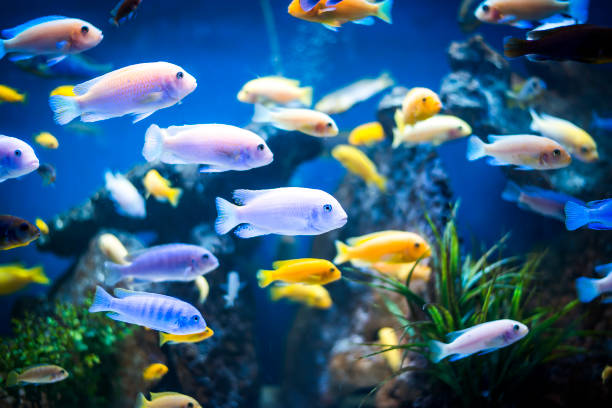
African cichlids are renowned for their vibrant colors, dynamic behaviors, and unique personalities, making them a popular choice among aquarium enthusiasts. To provide these remarkable fish with an ideal habitat, selecting the best substrate for African cichlids is crucial. In this article, we will guide you through the essential steps of creating the perfect African cichlid aquarium while highlighting the importance of choosing the right substrate.
Tank Size and Configuration:
Begin by considering the appropriate tank size and configuration for your African cichlids. These active swimmers require ample space, so opt for a larger tank size. A minimum of 55 gallons is recommended for smaller species, while larger cichlids may require tanks of 75 gallons or more. Additionally, create a tank configuration that offers open swimming areas along with rock formations, caves, and other hiding spots that resemble their natural habitat.
Water Parameters:
Maintaining optimal water parameters is essential for the health and well-being of African cichlids. These fish typically prefer alkaline water with a pH range of 7.8 to 8.5 and a water hardness between 10 and 20 dGH. Regular monitoring and adjustments of water parameters are necessary to ensure stability. Efficient filtration systems are also crucial to handle the waste produced by African cichlids, as they tend to have hearty appetites.
Best Substrate for African Cichlids:
When it comes to substrate selection, choosing the best substrate for African cichlids is vital. Consider using substrates that mimic the sandy or rocky bottoms of their native African lakes. Sand or fine gravel substrates are popular choices as they allow cichlids to sift through and search for food while also providing a comfortable substrate for bottom-dwelling species. Opt for substrates specifically designed for African cichlids, as they often contain essential minerals and buffers that help maintain water chemistry and promote a healthy environment.
Rockwork and Caves:
African cichlids are known for their territorial behavior, and providing appropriate rockwork and caves is essential. These features not only enhance the aesthetics of the aquarium but also serve as territory markers and hiding spots for cichlids. Use a variety of rocks and create caves and crevices that offer shelter and separation. Ensure the rocks are stable and securely positioned to prevent collapses or accidents in the aquarium.
Plant Selection:
While African cichlids are not typically associated with dense plant growth due to their digging and territorial behavior, select plants can coexist with them. Choose hardy plant species such as Anubias, Java Fern, or Vallisneria, which can withstand the cichlids' activity. Consider using plant pots or anchoring plants to rocks to prevent uprooting. Alternatively, artificial plants can provide visual appeal without the risk of damage.
Tankmates and Compatibility:
When selecting tankmates for African cichlids, it's important to consider their territorial nature and aggressive tendencies. Avoid mixing cichlid species with drastically different temperaments to prevent constant aggression and stress. Research the compatibility of each species and opt for African cichlid tankmates from the same lake to ensure compatibility and minimize conflict.
Feeding and Nutrition:
African cichlids have diverse dietary needs, so offer a varied and balanced diet to ensure their nutritional requirements are met. High-quality cichlid pellets, frozen or live foods, and occasional vegetable matter should be part of their diet. Monitor their feeding behavior and adjust feeding routines accordingly to maintain their overall health and vitality.
Conclusion:
By carefully considering the tank size, water parameters, substrate selection, rockwork, plant choices, and tankmate compatibility, you can create the perfect African cichlid aquarium. Remember to choose the best substrate for African cichlids, as it plays a significant role in replicating their natural habitat and promoting their well-being. Enjoy the vibrant colors, dynamic behaviors, and unique personalities of these fascinating fish as they thrive in their optimized aquarium environment.