Composite fences have become one of the most popular solutions for homeowners looking to enhance privacy, security, and outdoor aesthetics without the high maintenance demands of traditional wood fencing. As modern landscaping trends continue to evolve, composite fencing systems are increasingly replacing timber fences due to their durability, weather resistance, and long-lasting visual appeal.
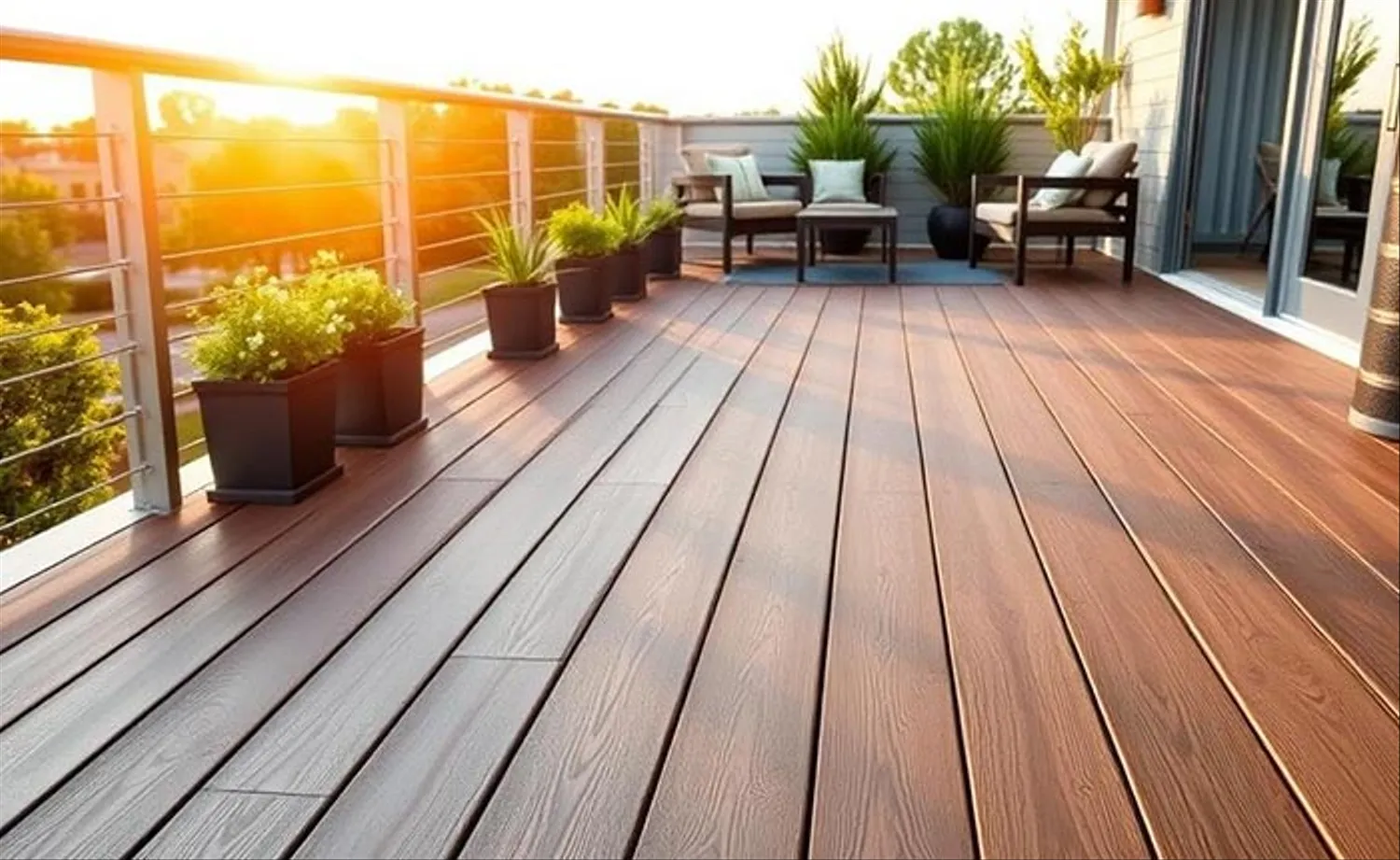
Unlike natural wood fences, which are prone to rotting, fading, and insect damage, composite fences are manufactured using a combination of recycled wood fibers and plastic materials. This engineered composition creates a strong, stable, and attractive fencing solution that closely resembles real wood while offering significantly improved performance. Because of these advantages, composite fencing is now widely used in residential gardens, commercial properties, and modern architectural landscaping projects.
In today’s outdoor design industry, fencing is not only about boundary marking but also about enhancing the overall look and functionality of outdoor spaces. Composite fences provide a perfect balance between privacy, strength, and modern design, making them an increasingly preferred choice for property owners.
Are Composite Fences a Durable and Weather-Resistant Outdoor Solution?
Durability is one of the most important factors when selecting fencing materials, and composite fences are specifically designed to perform well under harsh environmental conditions. Traditional wooden fences often suffer from issues such as warping, cracking, splitting, and rotting due to continuous exposure to rain, sunlight, and temperature changes. These problems can significantly reduce their lifespan and increase maintenance costs.
Composite fences are engineered to overcome these challenges. Their moisture-resistant structure prevents water absorption, which helps eliminate the risk of swelling and decay. This makes them especially suitable for areas with heavy rainfall or high humidity where traditional wood fences deteriorate quickly.
Another major advantage of composite fencing is its resistance to UV damage. High-quality composite fence panels are manufactured with protective coatings that help prevent fading and discoloration caused by prolonged sun exposure. This ensures that the fence maintains its original color and appearance for many years without frequent repainting or refinishing.
In addition to weather resistance, composite fences are also highly resistant to pests such as termites and wood-boring insects. This adds an extra layer of protection and ensures long-term structural stability, making them a reliable choice for outdoor boundary solutions.
Are Composite Fences a Stylish and Low Maintenance Privacy Solution?
Composite fences are widely appreciated for their ability to combine aesthetic appeal with practical functionality. Modern homeowners increasingly prefer fencing solutions that enhance the visual appearance of their outdoor spaces while requiring minimal maintenance. Composite fencing achieves this by replicating the natural look and texture of wood while eliminating many of its drawbacks.
Available in a variety of colors, finishes, and textures, composite fences can complement different architectural styles, from traditional homes to modern minimalist designs. This design flexibility allows property owners to create visually cohesive outdoor environments that enhance curb appeal and overall property value.
Low maintenance is one of the key benefits that make composite fences highly attractive. Unlike wooden fences that require regular painting, staining, and sealing to maintain their appearance and durability, composite fencing only requires occasional cleaning. Simple washing with water is usually enough to remove dirt and maintain its fresh look, making it an ideal choice for busy homeowners.
Privacy is another important feature of composite fences. Their solid panel design provides effective screening from neighbors and surrounding areas, making them perfect for gardens, backyards, and outdoor living spaces. This combination of privacy and style makes composite fencing a practical solution for modern residential landscapes.
The installation process of composite fencing is also relatively straightforward compared to traditional wood fencing systems. The panels are designed for easy assembly, which reduces installation time and ensures a smooth, consistent finish across the entire fence line.
Are Composite Fences a Sustainable and Cost-Effective Investment?
Sustainability plays an increasingly important role in construction and landscaping decisions, and composite fences offer a strong environmental advantage. Many composite fencing products are manufactured using recycled materials, including reclaimed wood fibers and plastics. This helps reduce waste and minimizes the demand for newly harvested timber, supporting eco-friendly building practices.
From a financial perspective, composite fences are considered a long-term cost-effective investment. Although the initial installation cost may be higher than traditional wooden fences, the reduced need for maintenance, repairs, and replacements leads to significant savings over time. Homeowners benefit from a durable fencing system that does not require regular treatments or frequent restoration work.
The long lifespan of composite fences further enhances their value. They are designed to withstand years of exposure to environmental stress without significant deterioration, making them a dependable choice for property boundaries. This durability also contributes to increased property value, as well-maintained fencing improves the overall appearance and security of a home.
Energy and resource efficiency are additional indirect benefits of composite fencing. By reducing the need for chemical treatments, paints, and wood replacements, composite fences support more sustainable outdoor living practices.
Conclusion: Composite Fences as a Modern and Reliable Outdoor Boundary Solution
Composite fences represent a modern evolution in outdoor fencing systems, combining strength, durability, and visual appeal into one highly efficient solution. Their ability to resist weather damage, maintain appearance over time, and require minimal maintenance makes them a superior alternative to traditional wood fencing.
As homeowners continue to prioritize sustainability, privacy, and long-term value, composite fencing has become a leading choice for modern outdoor design. It offers a practical and stylish way to define property boundaries while enhancing the overall look of outdoor spaces.