The edm cutting process is one of the most advanced manufacturing techniques used in modern engineering industries for shaping hard and complex materials with extreme precision. It is widely used in aerospace, automotive, mold making, and tool manufacturing sectors where traditional cutting methods fail to achieve required accuracy.
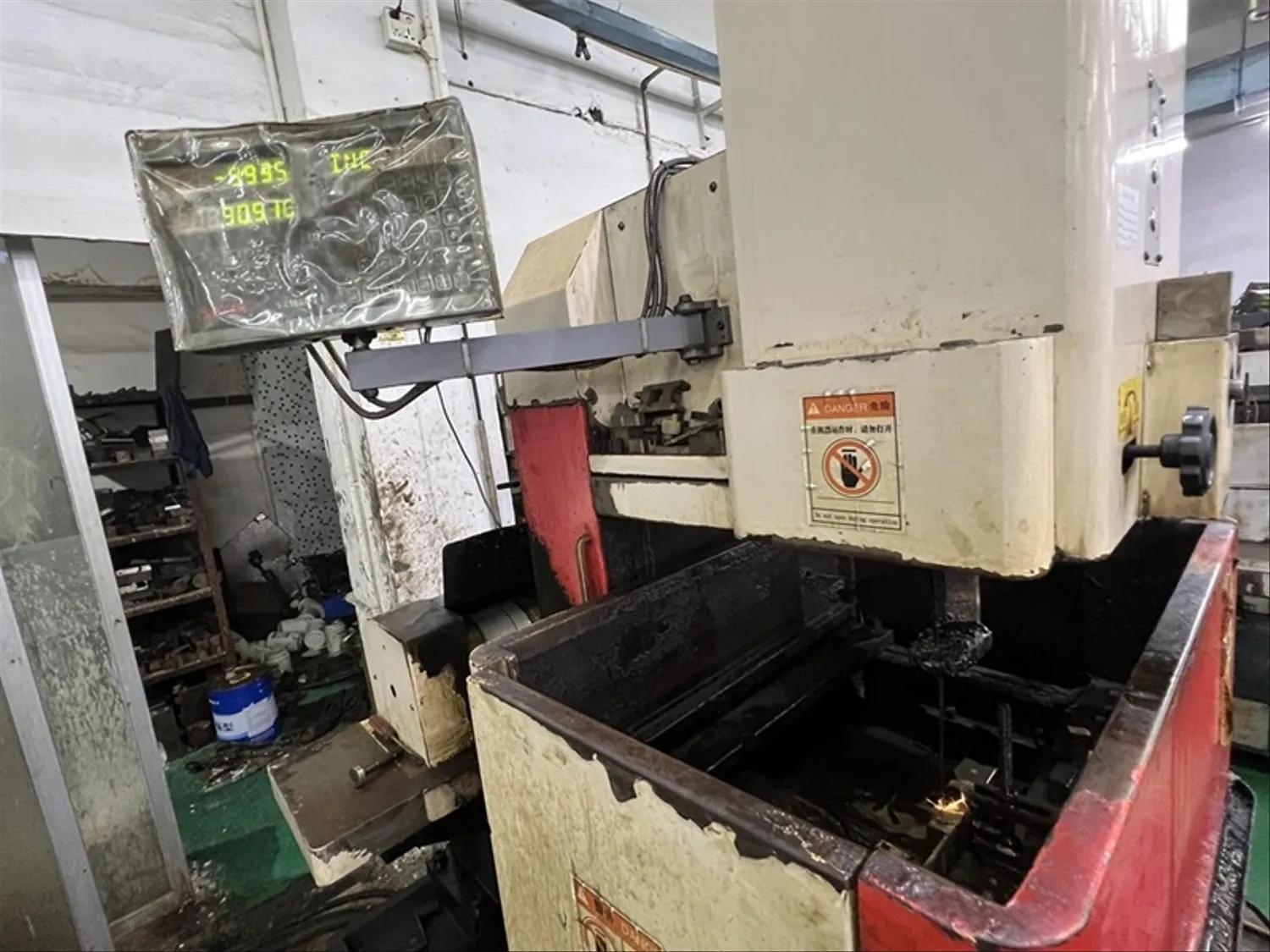
The edm cutting process works on the principle of electrical discharge, where controlled sparks are used to remove material from a conductive workpiece. Instead of using mechanical force, this process relies on thermal energy generated by electrical sparks. Because of this unique approach, it can easily machine hardened steel, titanium, carbide, and other difficult materials.
In today’s manufacturing world, the edm cutting process plays a crucial role in producing intricate shapes, fine details, and high-precision components that are essential for modern industrial applications.
What is EDM Cutting Process?
The edm cutting process refers to Electrical Discharge Machining cutting, a non-traditional machining method where material is removed using controlled electrical sparks between an electrode and a workpiece. The entire process takes place in a dielectric fluid that controls the spark and removes debris.
Unlike conventional machining, there is no physical contact between the cutting tool and the material. Instead, sparks generated between the electrode and the workpiece create intense heat, which melts and vaporizes small portions of the material.
This process is highly effective for cutting conductive materials that are extremely hard or difficult to machine using traditional methods. The edm cutting process is known for its precision, accuracy, and ability to produce complex geometries.
Types of EDM Cutting Process
The edm cutting process includes different types depending on application, material, and machining requirement. Each type serves a specific industrial purpose.
Wire EDM Cutting Process
Wire EDM is the most common type of edm cutting process. It uses a thin wire as an electrode to cut through the material. The wire continuously moves while electrical sparks erode the material along the cutting path. It is widely used in aerospace and electronics industries for high-precision parts.
Sinker EDM Cutting Process
Sinker EDM, also known as die-sinking EDM, uses a shaped electrode to create cavities in the workpiece. The electrode gradually sinks into the material while controlled sparks remove unwanted sections. It is commonly used in mold and die manufacturing.
Hole Drilling EDM Cutting Process
This type of edm cutting process is used to create small and deep holes in hard materials. It is widely used in turbine blades, fuel systems, and industrial components where precision drilling is required.
Each type of edm cutting process is designed for specific applications based on complexity and material hardness.
How EDM Cutting Process Works Step by Step
The edm cutting process follows a controlled sequence that ensures precision and efficiency in material removal.
First, the workpiece and electrode are placed in a dielectric fluid such as oil or deionized water. A small gap is maintained between them. When voltage is applied, an electrical field builds up in the gap.
Once the energy reaches a critical level, a spark discharge occurs. This spark generates extremely high temperatures that melt and vaporize a tiny portion of the material. The dielectric fluid cools the area and removes the debris.
This cycle repeats thousands of times per second, gradually cutting the material into the desired shape. CNC systems are often used to control the process for high accuracy and repeatability.
Benefits of EDM Cutting Process
The edm cutting process offers several advantages that make it essential in modern manufacturing industries.
One of the biggest benefits is its ability to machine extremely hard materials such as hardened steel, tungsten, and titanium. Traditional cutting tools often fail with such materials, but EDM handles them easily.
Another important advantage is high precision. The process can achieve extremely tight tolerances and fine details, making it ideal for complex engineering parts.
Since there is no direct contact between tool and workpiece, mechanical stress is eliminated. This reduces deformation and improves the quality of delicate components.
The edm cutting process also produces excellent surface finish, reducing the need for secondary machining operations.
Applications of EDM Cutting Process
The edm cutting process is widely used across various industries due to its precision and versatility.
In aerospace manufacturing, it is used for turbine blades, engine components, and structural parts that require high strength and accuracy.
In automotive industries, EDM cutting is used for mold making, engine parts, and transmission components.
The medical industry uses edm cutting process for surgical instruments and implants where precision is critical.
Other applications include tool and die making, electronics manufacturing, and industrial machinery production.
Common Mistakes in EDM Cutting Process
Although the edm cutting process is highly efficient, certain mistakes can affect performance and quality.
One common issue is improper electrode selection, which can lead to poor accuracy and increased wear.
Another mistake is poor dielectric fluid maintenance. Contaminated fluid can reduce spark efficiency and machining stability.
Incorrect gap control between electrode and workpiece can also cause unstable cutting and poor surface finish.
Avoiding these mistakes helps improve overall edm cutting process performance and ensures better results.
Expert Tips for Better EDM Cutting Results
Experts recommend using high-quality electrode materials to improve precision and reduce wear in the edm cutting process.
Maintaining clean dielectric fluid is essential for stable spark generation and better machining performance.
Optimizing machining parameters such as voltage, current, and pulse duration can significantly improve cutting efficiency.
Regular machine maintenance ensures long-term reliability and consistent output quality.
Internal Linking Suggestions
For better SEO structure, this article can link to related topics such as electrical discharge machining, wire EDM process, sinker EDM, and CNC machining guides. These internal links help improve user engagement and website authority.
EDM Cutting Process in [LOCATION]
The demand for edm cutting process in [LOCATION] is growing in industries such as aerospace, automotive, and precision engineering. Local manufacturers use EDM technology for producing high-precision components that cannot be made using traditional machining methods. Companies in [LOCATION] rely on edm cutting process for molds, dies, and complex part production.
Future Trends in EDM Cutting Process
The future of edm cutting process is closely connected with automation and smart manufacturing technologies. Modern EDM machines are being integrated with CNC systems and AI-based controls for improved precision and efficiency.
Advancements in electrode materials and dielectric fluids are expected to increase cutting speed and surface quality. As industries demand more complex designs, the edm cutting process will continue to evolve as a key manufacturing technology.
Conclusion
The edm cutting process is a highly advanced and precise manufacturing technique that has transformed modern engineering industries. Its ability to cut hard materials, produce complex shapes, and maintain high accuracy makes it essential in aerospace, automotive, and industrial applications.
Understanding the edm cutting process helps engineers and manufacturers select the right machining method for high-precision work. With continuous technological advancements, EDM cutting will remain a critical part of modern manufacturing systems.
Call to Action
If you are looking for professional EDM cutting process services or expert consultation, our team is ready to help. Contact us today for precision machining solutions, technical support, and customized manufacturing services tailored to your needs.
FAQs
What is EDM cutting process used for?
It is used for cutting hard metals and creating complex shapes in aerospace, automotive, and industrial manufacturing.
Can EDM cut any material?
It can only cut conductive materials such as steel, titanium, and carbide.
Is EDM cutting better than traditional machining?
Yes, it is better for hard materials and complex geometries where traditional tools cannot work.
Does EDM cutting cause tool wear?
Yes, but wear is minimal compared to traditional cutting tools.
Which industries use EDM cutting process?
Aerospace, automotive, medical, electronics, and tool manufacturing industries widely use EDM cutting technology.