In today’s world of automation, industrial machinery, and advanced electronics, the need for fast, reliable, and durable switching solutions is greater than ever. The solid state relay (SSR) has emerged as a modern alternative to traditional electromechanical relays, offering silent operation, long lifespan, and precise control. Its ability to handle high-speed switching while maintaining efficiency makes it an essential component in manufacturing, home automation, energy systems, and many other applications.
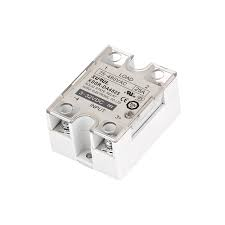
Unlike conventional relays that rely on moving contacts, a solid state relay uses semiconductor devices such as thyristors, triacs, or transistors to switch electrical circuits. This design eliminates mechanical wear and tear, reducing maintenance needs and enhancing reliability. SSRs are particularly valued for environments where frequent switching, noise reduction, and precise timing are crucial. Their compact design and efficiency have made them a preferred choice in modern electrical systems.
Solid State Relay Performance and Operational Advantages
The primary advantage of a Solid State Relay lies in its method of operation. SSRs can switch circuits almost instantaneously, providing response times measured in milliseconds. This speed ensures accurate control over electrical loads, which is vital in applications such as motor control, temperature regulation, and automated processes. The fast switching capability minimizes voltage spikes and reduces wear on connected equipment, extending overall system longevity.
Durability is another significant benefit. Since SSRs have no moving parts, they are immune to mechanical failures that often affect traditional relays. This makes them ideal for high-cycle applications that require continuous operation over long periods. In addition, SSRs operate silently and generate minimal electromagnetic noise, which is particularly advantageous in residential settings, laboratories, or sound-sensitive industrial environments.
Energy efficiency is enhanced with solid state relays as well. They consume less control power compared to mechanical relays and produce minimal energy loss during operation. Many modern SSRs come equipped with thermal protection, integrated heat sinks, or smart circuitry to prevent overheating, ensuring safety even under high-load conditions. These features contribute to lower operational costs and longer device life, making SSRs a cost-effective choice over time.
Solid State Relay Applications in Modern Technology
Solid state relays are widely applied across industrial, commercial, and home applications. In manufacturing, SSRs control conveyor systems, assembly lines, and automated machinery. Their fast and reliable switching helps maintain precision and efficiency in high-speed production environments, reducing downtime and improving product quality.
Temperature control systems also benefit from SSR technology. Industrial ovens, furnaces, and heating systems rely on SSRs for precise regulation of temperature. By rapidly switching power, SSRs prevent temperature fluctuations and maintain consistent performance, which is essential for sensitive processes in food production, chemical manufacturing, or laboratory equipment.
In residential and commercial automation, solid state relays are used to manage lighting, HVAC systems, and electronic appliances. Their silent operation and compact form factor make them ideal for integration into smart home systems, energy management solutions, and automated control panels. Additionally, SSRs provide electrical isolation between control circuits and load circuits, enhancing safety and protecting sensitive electronics from voltage spikes or short circuits.
The automotive industry also utilizes SSRs for controlling lighting, motor systems, and other electronic functions, where precise timing and reliability are crucial. Electronics designers prefer SSRs for applications requiring rapid switching, high efficiency, and minimal maintenance, making them a versatile solution across modern technology sectors.
Solid State Relay Selection and Technical Considerations
Selecting the right solid state relay requires careful evaluation of several factors. Voltage and current ratings must match the application requirements, while AC or DC load compatibility determines the appropriate relay type. Switching frequency, thermal management, and control voltage are additional considerations that influence SSR performance and safety.
Thermal management is particularly important, as SSRs can generate heat during operation. Choosing a relay with proper heat dissipation, either through built-in heat sinks or external mounting solutions, ensures safe and reliable function. Understanding load variations and duty cycles is also critical to prevent overloading or premature failure.
Integration with control systems should be considered as well. Many SSRs are compatible with programmable logic controllers (PLCs), microcontrollers, or automated systems. Ensuring proper interface selection helps achieve reliable performance and seamless operation within complex setups. Although SSRs may have higher initial costs than mechanical relays, their long-term reliability, reduced maintenance, and energy efficiency provide significant benefits over time.
Conclusion
The solid state relay is a durable, fast, and efficient solution for modern electrical switching needs. Its silent operation, long lifespan, and precise performance make it an excellent alternative to traditional electromechanical relays in industrial, commercial, and residential applications. By combining speed, reliability, and energy efficiency, SSRs enhance productivity, reduce maintenance costs, and improve overall system performance.
Choosing the right solid state relay ensures safe, reliable, and efficient control across a wide range of applications. With advanced features and superior durability, the solid state relay represents the future of intelligent and efficient electrical switching solutions.