Cast iron metal has remained one of the most widely used engineering materials for centuries due to its exceptional strength, durability, and cost-effectiveness. Known for its high carbon content and excellent casting properties, cast iron continues to play a vital role in construction, automotive systems, machinery manufacturing, and infrastructure development. Despite the rise of modern alloys and composites, cast iron metal remains a foundational material in industrial engineering because of its unique combination of mechanical properties and versatility.
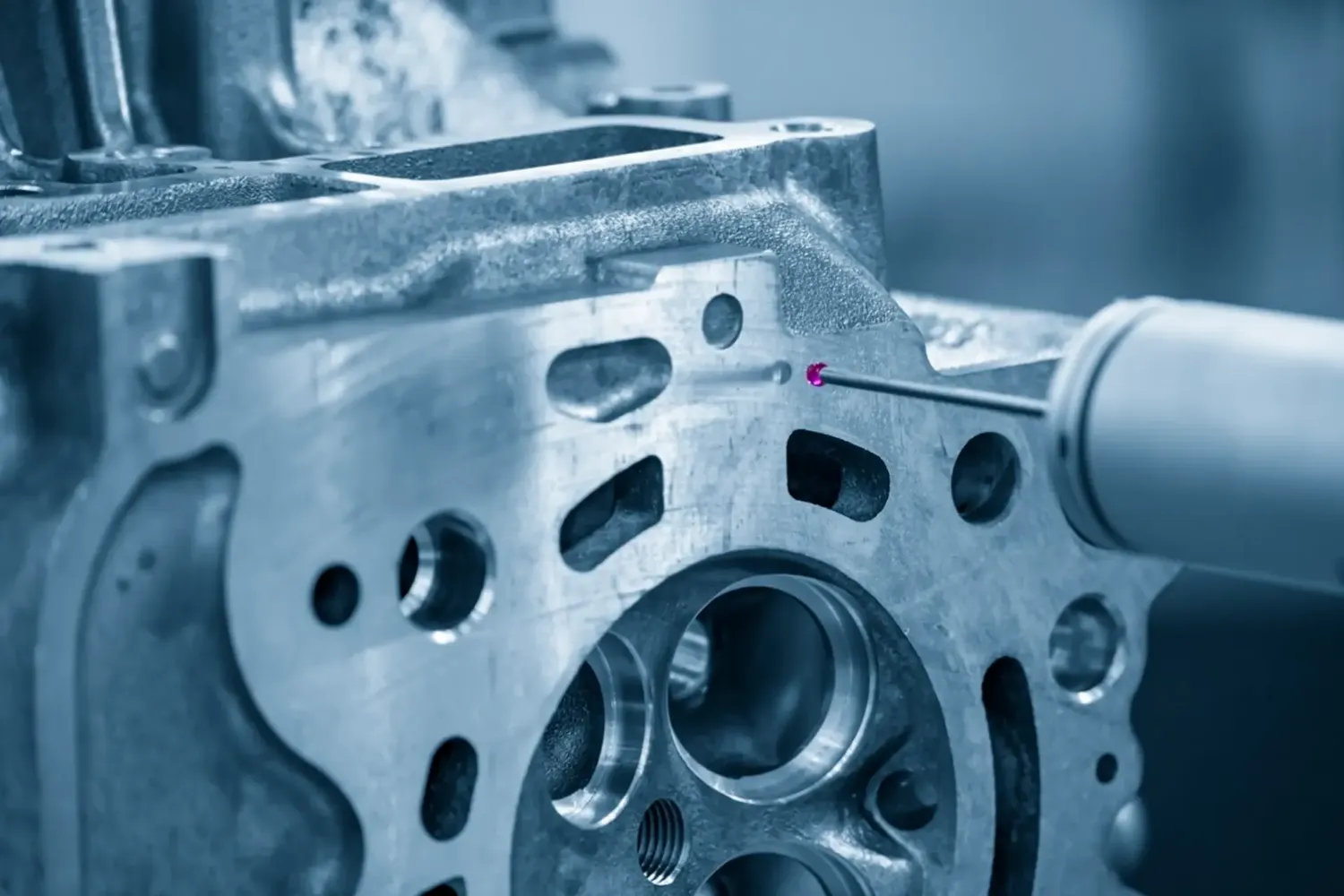
From engine blocks to pipes, cookware to structural components, cast iron metal is valued for its ability to withstand heavy loads, resist wear, and maintain stability under pressure. Its adaptability across multiple industries makes it a crucial material in both traditional and modern manufacturing environments.
Cast Iron Metal in Industrial Manufacturing and Engineering Systems
Cast iron metal is widely used in industrial manufacturing due to its excellent castability and mechanical strength. It is produced by melting iron with a high carbon content, typically between 2% and 4%, which gives it a distinct microstructure that enhances hardness and wear resistance. This composition makes it ideal for producing complex shapes through casting processes, reducing the need for extensive machining.
In engineering applications, cast iron metal is commonly used for machine bases, gear housings, engine blocks, and heavy-duty tools. Its ability to absorb vibration makes it particularly useful in machinery where stability and noise reduction are important. This vibration-damping property ensures smoother operation and longer equipment life, especially in industrial environments with continuous mechanical stress.
Cast iron metal is also widely used in construction infrastructure. Manhole covers, pipes, and structural supports are often made from cast iron due to its durability and resistance to deformation. Its ability to withstand compressive forces makes it suitable for applications where long-term load-bearing performance is required.
Cast Iron Metal Properties and Mechanical Strength Performance
The mechanical properties of cast iron metal are defined by its carbon-rich composition, which exists primarily in the form of graphite. This structure gives cast iron its characteristic hardness, brittleness, and excellent compressive strength. Depending on the cooling process and alloy composition, different types of cast iron such as grey cast iron, white cast iron, ductile cast iron, and malleable cast iron are produced, each serving specific industrial purposes.
Grey cast iron is known for its excellent machinability and vibration damping, making it suitable for engine blocks and machine tools. Ductile cast iron, also known as nodular iron, offers improved flexibility and tensile strength, which allows it to be used in automotive components and pressure pipes. White cast iron, on the other hand, is extremely hard and wear-resistant, making it ideal for abrasive environments.
One of the most important characteristics of cast iron metal is its thermal conductivity and heat retention ability. This makes it useful in cookware and industrial heating systems where consistent heat distribution is required. At the same time, its brittleness limits its use in applications where high tensile stress or impact resistance is needed, requiring careful selection based on engineering requirements.
Cast iron metal also offers excellent machinability, especially in its grey form. The presence of graphite acts as a natural lubricant during cutting, reducing tool wear and improving machining efficiency. This makes it a preferred material in large-scale manufacturing processes where cost efficiency and production speed are important.
Cast Iron Metal in Automotive, Construction, and Machinery Applications
Cast iron metal plays a major role in the automotive industry, particularly in the manufacturing of engine blocks, cylinder heads, brake discs, and transmission components. Its ability to withstand high temperatures and mechanical stress makes it suitable for internal combustion engine systems. Engine blocks made from cast iron metal are known for their durability and long service life, even under extreme operating conditions.
In the construction industry, cast iron metal is widely used for structural and utility components. Water and sewage pipelines are often made from ductile cast iron due to its strength and corrosion resistance. The material’s ability to withstand underground pressure and environmental exposure makes it highly reliable for long-term infrastructure projects.
Machinery manufacturing also relies heavily on cast iron metal for producing heavy-duty equipment such as lathe machines, presses, and industrial frames. The vibration-damping properties of cast iron help maintain precision and stability in high-speed mechanical operations. This ensures consistent performance and reduces wear on moving parts.
Cast iron metal is also used in agricultural machinery, rail systems, and energy production equipment. Its durability and cost-effectiveness make it a practical choice for large-scale industrial applications where performance and longevity are critical.
Cast Iron Metal in Modern Engineering and Material Innovation
Despite the introduction of advanced materials such as aluminum alloys, composites, and high-strength steels, cast iron metal continues to hold a strong position in modern engineering. Its balance of strength, cost efficiency, and manufacturability makes it a preferred choice for many applications where extreme performance is not the primary requirement.
Modern advancements in metallurgy have improved the properties of cast iron metal, especially ductile iron, which offers enhanced flexibility and impact resistance. This has expanded its use in high-performance applications such as wind turbines, automotive suspension systems, and pressure-bearing components.
In addition, casting technology has evolved significantly, allowing for more precise and complex geometries to be produced with cast iron metal. Computer-aided design and automated casting processes have improved quality control, reduced material waste, and increased production efficiency.
Environmental considerations have also influenced the continued use of cast iron metal. It is highly recyclable, making it a sustainable material choice in industries focused on reducing environmental impact. Recycled cast iron can be reused without significant loss of quality, contributing to circular manufacturing systems.
Conclusion: Final Insights on Cast Iron Metal in Industrial Applications
Cast iron metal remains one of the most important materials in engineering and industrial manufacturing due to its strength, durability, and versatility. Its wide range of applications in automotive systems, construction infrastructure, machinery, and cookware highlights its continued relevance in modern industries.
While newer materials offer improved performance in specific areas, cast iron metal continues to provide a reliable and cost-effective solution for heavy-duty applications. Its unique combination of mechanical properties, thermal stability, and vibration-damping capabilities ensures its ongoing importance in both traditional and advanced engineering systems.