In modern workspaces, prolonged sitting has become an unavoidable aspect of professional life. From office environments to home setups, individuals spend hours at their desks, often overlooking the impact of inadequate seating on their health. An ergonomic chair is specifically designed to address these concerns, offering adjustable features and supportive structures that promote proper posture and reduce physical strain. Unlike traditional chairs, ergonomic designs focus on aligning the spine, relieving pressure on critical areas like the lower back and shoulders, and enhancing overall comfort during long periods of sitting.
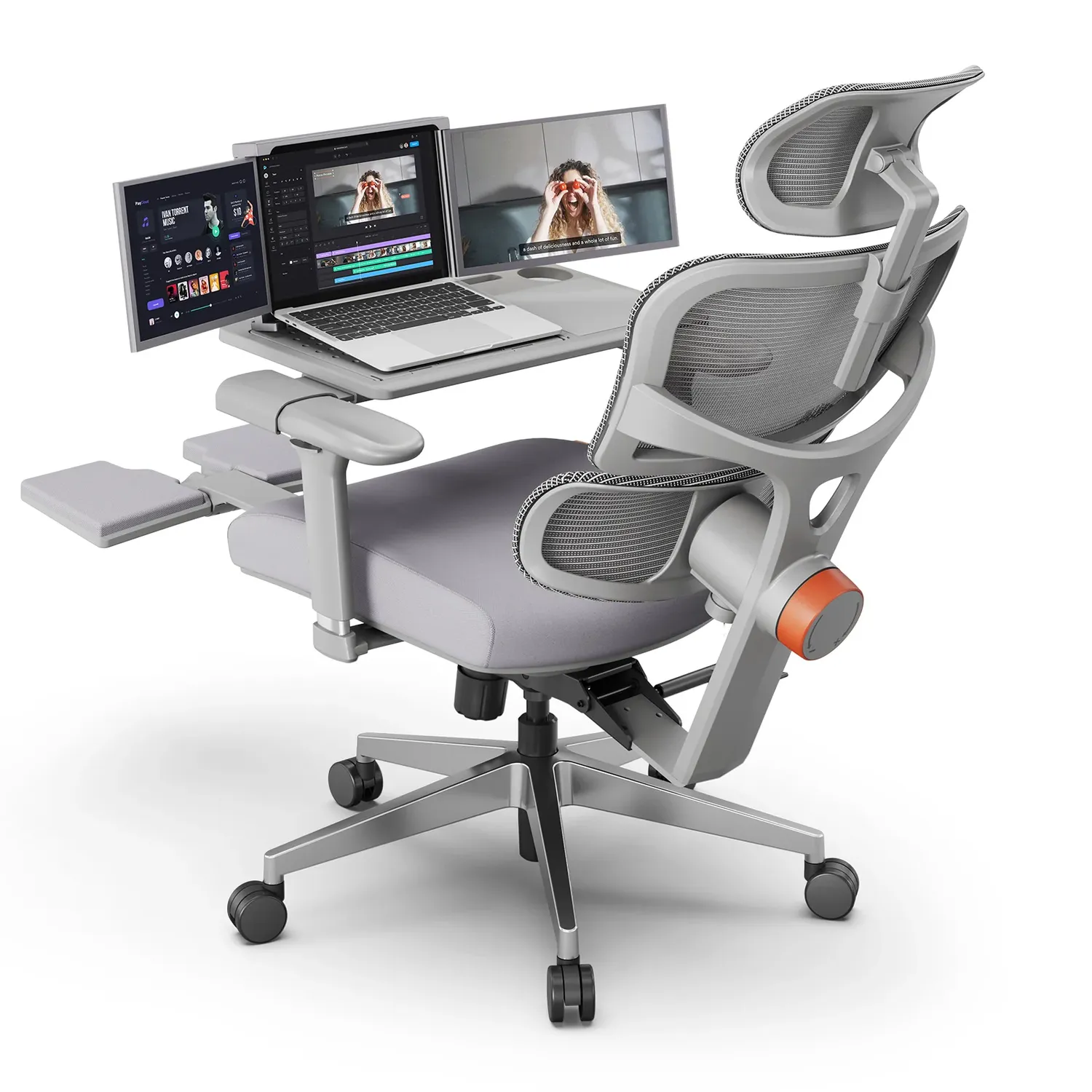
The benefits of an ergonomic chair extend beyond physical comfort. Studies have shown that when employees use seating that supports their posture and minimizes discomfort, their productivity improves, focus is sustained, and fatigue is significantly reduced. Adjustable seat height, lumbar support, reclining mechanisms, and armrests ensure that each individual can customize their seating according to body dimensions and task requirements. This adaptability not only enhances comfort but also prevents long-term musculoskeletal problems that can arise from improper sitting habits.
Moreover, modern ergonomic chairs blend functionality with aesthetic appeal. With sleek designs, premium finishes, and materials like breathable mesh, memory foam, and reinforced frames, these chairs are tailored to fit both professional and home office environments. Ergonomic seating solutions now emphasize a balance between visual appeal and physical support, creating a workspace that promotes health, efficiency, and style simultaneously.
Can an Ergonomic Chair Improve Posture and Reduce Back Strain?
One of the primary advantages of an ergonomic chair is its ability to encourage correct posture while minimizing physical discomfort. Traditional chairs often lead to slouching or improper alignment, resulting in spinal compression, neck tension, and long-term back pain. Ergonomic chairs, with their adjustable lumbar support, ensure that the lower back maintains its natural curvature, reducing stress on the spine and associated muscles.
Seat height adjustments are vital for maintaining proper leg positioning. Ensuring that feet rest flat on the floor, knees remain at a comfortable angle, and hips are aligned reduces strain on the lower back and enhances circulation. Adjustable armrests provide additional support for the shoulders and forearms, especially during prolonged computer use. The use of quality materials like cushioned memory foam and breathable fabrics enhances comfort while preventing excessive heat buildup, allowing individuals to remain seated comfortably for extended periods.
Beyond physical relief, ergonomic chairs promote long-term spinal health. Individuals suffering from chronic neck or back issues benefit immensely from the customizable features that target specific areas of discomfort. By supporting proper posture consistently, ergonomic chairs reduce the likelihood of developing musculoskeletal disorders and create a more sustainable and healthier approach to desk work.
Can an Ergonomic Chair Enhance Productivity and Workplace Satisfaction?
The connection between comfort and efficiency makes an ergonomic chair an indispensable element of any workspace. Reduced physical strain allows employees to maintain focus, minimize fatigue, and perform tasks more efficiently. Reclining functions, swivel bases, and cushioned seating facilitate seamless movement and adaptability, ensuring that users can adjust their posture dynamically throughout the day.
Ergonomic chairs also play a crucial role in workplace satisfaction. Providing employees with seating designed for their health and comfort demonstrates a commitment to their well-being, which can increase engagement, motivation, and overall morale. Home office users similarly benefit from ergonomic solutions, as they create an environment conducive to productivity while reducing the risks associated with prolonged sitting.
Investing in an ergonomic chair is a strategic decision that prioritizes health without compromising on efficiency. These chairs combine adjustability, durable materials, and innovative design to deliver a personalized seating experience. By reducing fatigue, promoting comfort, and supporting proper posture, ergonomic chairs offer a long-term solution that enhances both physical well-being and professional performance.
Conclusion
An ergonomic chair is more than just office furniture—it is a health-oriented, productivity-enhancing tool. By supporting correct posture, minimizing back and neck strain, and providing customizable comfort, these chairs transform the way individuals work. Durable materials, adjustable features, and modern design ensure that ergonomic chairs meet the needs of professionals in corporate offices, remote work settings, and home offices alike.
Prioritizing an ergonomic chair is a proactive step toward reducing fatigue, preventing musculoskeletal disorders, and fostering a more focused and efficient work environment. Investing in proper seating is an investment in health, productivity, and overall satisfaction, making the ergonomic chair a cornerstone of a modern, comfortable, and high-performing workspace.