Safety interlock switches are essential components in various industries, playing a critical role in ensuring the safety of machinery, workers, and the environment. These switches prevent equipment from operating in unsafe conditions by ensuring that specific safety measures are in place before a machine can function. But what exactly is a safety interlock switch, and how does it contribute to workplace safety? This article explores the significance of safety interlock switches, their applications, and the reasons they are indispensable in today's automated and industrial systems.
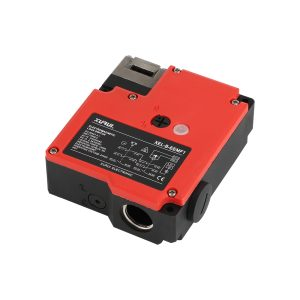
Understanding the Functionality of a Safety Interlock Switch
A safety interlock switch is a device used to prevent machinery or equipment from operating under unsafe conditions. Typically found in industrial and manufacturing environments, these switches are designed to detect whether safety barriers, doors, covers, or panels are properly closed or secured before the equipment can function. If a safety door or cover is open, the interlock switch ensures that the machine cannot operate, reducing the risk of accidents and injuries.
The core functionality of a safety interlock switch is to interrupt the power supply or trigger a safety signal to prevent machines from running in unsafe circumstances. For example, in a large industrial machine, an interlock switch might prevent the machine from operating if a maintenance door is open, ensuring that workers are not exposed to moving parts or hazardous processes while performing maintenance or inspections.
Safety interlock switches are designed to operate with a high degree of reliability, making them an essential part of any industrial safety system. They can be mechanical or electronic, with different designs tailored to meet the specific requirements of the machinery and the environment in which they are used.
Types of Safety Interlock Switches
Safety interlock switches come in various designs to cater to the needs of different applications and industries. While the basic function of these switches remains the same, their mechanisms and configurations can differ, depending on the level of safety required and the nature of the system they are protecting.
Mechanical Safety Interlock Switches: These switches use physical actuators or levers to detect whether a door or cover is in place. When the actuator is engaged, the switch either closes or opens the circuit, depending on the configuration. Mechanical interlock switches are commonly used in simpler applications where basic safety controls are sufficient.
Magnetic Safety Interlock Switches: These switches use magnets to detect the position of a door or safety cover. When the door is securely closed, the magnetic field is stable, and the switch allows the machine to operate. If the door is opened, the magnetic field is broken, triggering the switch to stop the machine from running. Magnetic interlock switches are often found in systems that require high precision and minimal wear.
Electronic Safety Interlock Switches: Electronic interlock switches utilize sensors or electrical signals to detect whether safety barriers are in place. These switches offer more advanced features, such as diagnostic capabilities and integration with automation systems. Electronic interlock switches are ideal for applications that require higher levels of safety and can provide real-time feedback about the status of the safety mechanisms.
Keyed Safety Interlock Switches: In some applications, a keyed safety interlock switch is used, where the key must be inserted and turned to allow the machine to operate. This ensures that only authorized personnel can access certain machinery or processes. Keyed interlock switches are commonly used in high-security environments, such as chemical plants or research labs.
Applications of Safety Interlock Switches
Safety interlock switches are found in a wide range of industries, from manufacturing and automotive to medical equipment and home appliances. Their primary purpose is to prevent accidents by ensuring that equipment cannot operate unless it is in a safe state. Here are some of the most common applications of safety interlock switches:
Manufacturing and Industrial Machinery: In industrial settings, safety interlock switches are used on machines that have moving parts or dangerous processes. For example, a safety interlock switch may prevent a conveyor belt from operating if a maintenance door is open. This helps protect workers from potential injuries caused by moving components or dangerous equipment.
Automated Systems: In automated systems, safety interlock switches are used to monitor the status of safety doors, access panels, and covers. These switches are integrated into robotic arms, assembly lines, and other automated machinery to ensure that no part of the system is exposed to danger while it is running. By preventing machines from operating when safety barriers are not in place, safety interlock switches help prevent workplace accidents.
Energy and Utilities: In energy generation and utilities industries, Safety Interlock Switch are often used to control access to critical infrastructure. For example, in power plants, an interlock switch may be used to prevent the operation of equipment if maintenance doors are open or if safety protocols are not met.
Medical Equipment: Many types of medical equipment, such as X-ray machines, MRI scanners, and autoclaves, rely on safety interlock switches to prevent accidental exposure to harmful conditions. These switches ensure that equipment cannot operate until all safety mechanisms are properly engaged, protecting both patients and operators.
Consumer Electronics and Appliances: Safety interlock switches are also used in household appliances, such as washing machines, microwave ovens, and dishwashers. In these cases, interlock switches prevent the appliance from operating unless the door is securely closed, helping to prevent accidents and ensuring that the appliance works safely.
Benefits of Safety Interlock Switches
Safety interlock switches offer several significant benefits, which is why they are so commonly used in industrial and consumer applications. Some of the key advantages include:
Accident Prevention: The primary benefit of safety interlock switches is their ability to prevent accidents. By ensuring that machines cannot operate unless all safety barriers are in place, these switches help protect workers from injuries caused by moving parts or exposure to hazardous processes.
Compliance with Safety Regulations: Many industries are subject to strict safety regulations that require the use of safety devices like interlock switches. These switches help companies comply with workplace safety laws and avoid costly fines or penalties.
Increased Operational Efficiency: By preventing accidents and reducing downtime caused by safety incidents, safety interlock switches contribute to overall operational efficiency. With fewer accidents and interruptions, companies can maintain smooth operations and increase productivity.
Durability and Reliability: Safety interlock switches are designed to be durable and reliable, withstanding frequent use and harsh environments. This ensures that they continue to perform effectively over time, even in demanding applications.
Choosing the Right Safety Interlock Switch
Selecting the right safety interlock switch depends on several factors, including the type of machinery, the level of safety required, and the environment in which the switch will be used. Key considerations include the switch's voltage and current rating, its ability to withstand environmental conditions (such as moisture, temperature, or dust), and its compatibility with the machinery's control systems.
It’s important to ensure that the switch meets the relevant safety standards for the industry. For example, safety interlock switches used in industrial machinery should meet standards set by organizations like OSHA (Occupational Safety and Health Administration) or IEC (International Electrotechnical Commission).
Conclusion
Safety interlock switches are essential components in maintaining a safe working environment. They prevent accidents and injuries by ensuring that machinery can only operate when safety barriers are in place. Whether used in industrial machinery, automated systems, medical equipment, or household appliances, these switches are vital for protecting workers and users. By understanding how safety interlock switches work and their applications, industries can make informed decisions about safety measures and continue to prioritize safety in the workplace. As technology advances, these switches will continue to play an important role in safeguarding both people and equipment across various sectors.