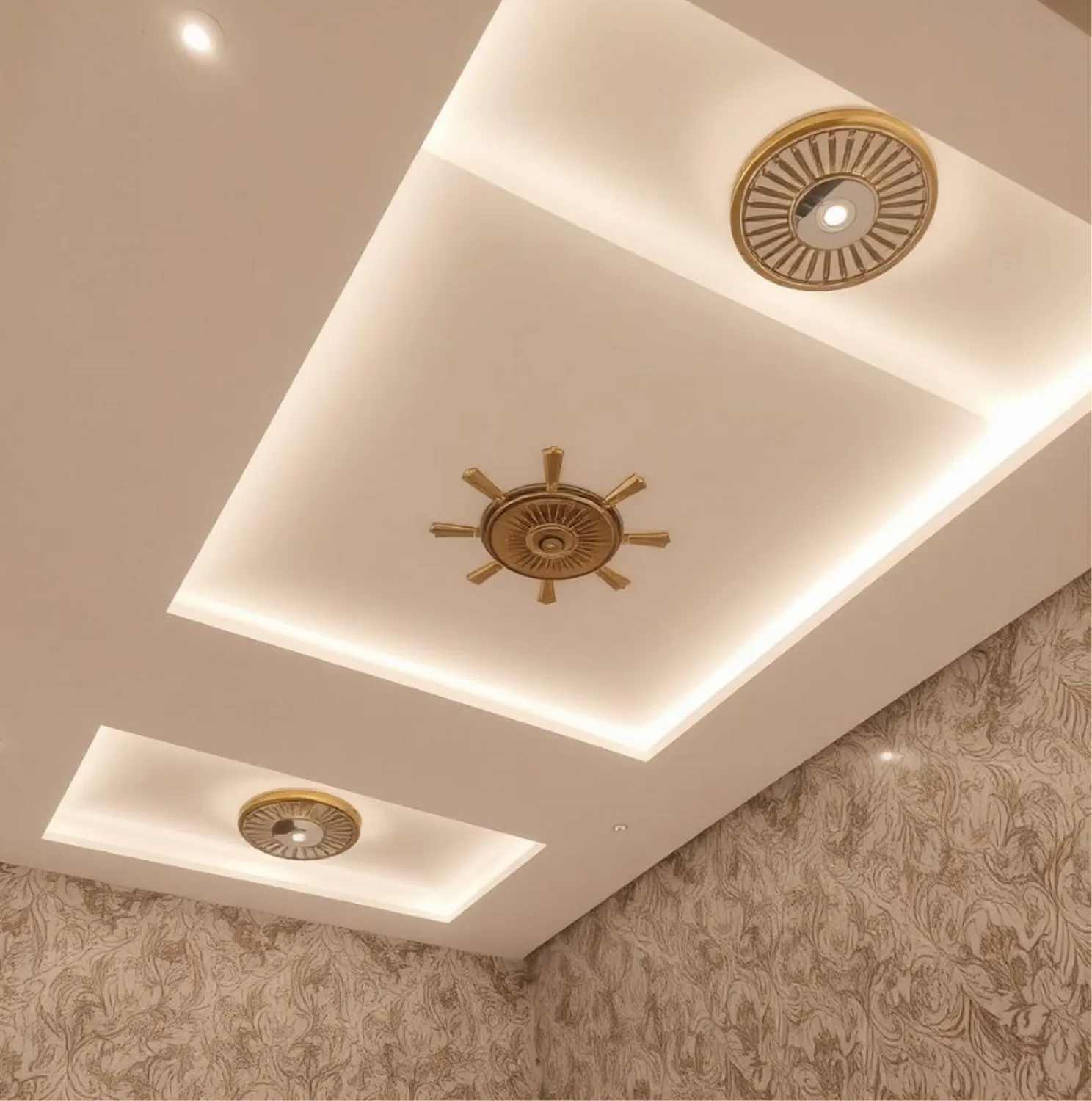
A well-lit room does more than just brighten up a space — it sets the mood, highlights architectural features, and makes everyday activities easier. False ceiling lights have become a popular choice in modern homes and offices, offering both practical lighting solutions and aesthetic appeal. The right combination of lighting can transform any room from plain to remarkable.
What Makes False Ceiling Lights Different
False ceiling lights work with dropped ceiling structures to create seamless lighting designs. Unlike traditional ceiling fixtures that hang visibly from the ceiling, these lights integrate smoothly into the room’s architecture. The result looks clean and modern while hiding all the technical elements that make the lighting work.
The Basic Setup
A dropped ceiling creates space between the original ceiling and a new surface. This gap holds electrical wiring, mounting brackets, and the actual light fixtures. The visible ceiling surface can have many different finishes, but all serve to conceal the working parts while showing only the light itself.
Choosing the Right Lights
Every room serves different purposes, and the lighting should match these needs. The kitchen needs bright, clear light for cooking and cleaning. Living rooms benefit from adjustable lighting that changes with the time of day. Bedrooms often work best with gentle, indirect light that helps with relaxation.
Common Light Types
Recessed downlights sit flush with the ceiling, spreading light evenly across the room. LED strips can run along edges or form patterns, adding visual interest while providing useful light. Panel lights cover larger areas with consistent, shadow-free illumination.
Light Placement Matters
Where lights go affects how well they work and how the room feels. A poorly placed light can create annoying glare or leave important areas in shadow. Good placement makes a room feel larger, more comfortable, and more useful.
Activity Areas
Different parts of a room need different amounts of light:
- Working spaces need bright, focused lighting
- Seating areas often work better with softer, layered light
- Hallways and stairs need clear lighting for safety
- Display areas benefit from directed accent lighting
Understanding Light Color
Light color changes how a room feels and how well people can see what they’re doing. Warm light feels cozy and relaxing, while cooler light helps with detailed tasks. Natural white light works well in spaces used for many different activities.
Practical Applications
Places where people work or study need cooler, brighter light that helps with focus and reduces eye strain. Living spaces and bedrooms benefit from warmer light that creates a more relaxed atmosphere. Some rooms might need different lighting zones for different activities.
Getting the Installation Right
Good installation makes the difference between lighting that works well and lighting that causes problems. The height of the dropped ceiling, the placement of electrical wiring, and access for maintenance all need careful planning.
Planning Ahead
Taking time during planning helps avoid problems later. This includes:
- Checking ceiling heights in different parts of the room
- Planning electrical circuits for current and future needs
- Including access points for maintenance
- Considering how different activities need different light levels
Saving Energy
Modern false ceiling lights often use LED technology, which uses less electricity and lasts longer than older lighting types. While these lights might cost more initially, they save money over time through lower electricity bills and less frequent replacement.
Smart Solutions
Adding lighting controls helps save even more energy. Motion sensors turn lights off in empty rooms. Dimmer switches allow for using only as much light as needed. Timers can adjust lighting automatically throughout the day.
Taking Care of Lights
Regular maintenance keeps lighting working well and looking good. Simple cleaning makes a big difference in how much light reaches the room. Replacing bulbs before they burn out prevents sudden dark spots.
Basic Maintenance
Even the best lighting needs some care. Dusting light fixtures helps them stay bright. Checking connections prevents electrical problems. Looking for signs of wear helps catch issues before they become serious.
Style Choices
False ceiling lights come in many styles. Some designs disappear into the ceiling, while others make bold visual statements. The choice depends on the room’s overall design and how the lighting needs to function.
Modern Options
Current lighting trends favor clean lines and minimal visible hardware. LED strips can create indirect lighting that washes walls with light. Geometric patterns add visual interest while providing practical illumination.
Cost Planning
The cost of false ceiling lights includes more than just the fixtures. The dropped ceiling structure, electrical work, and installation all add to the total. Quality materials and professional installation might cost more upfront but usually save money over time.
Long-term Value
Good lighting adds value to any space. Lower energy bills offset initial costs. Better light quality makes rooms more usable and comfortable. Proper installation reduces maintenance needs and repair costs.
Making Changes Later
Well-planned lighting systems make future changes easier. Extra wiring capacity allows for adding new fixtures. Access panels make maintenance simpler. Thinking ahead during installation saves trouble later.
Future Options
Lighting technology keeps improving. Leaving room for upgrades helps take advantage of new options as they become available. Flexible systems adapt more easily to changing needs.
False ceiling lights offer practical solutions for modern lighting needs. With good planning and proper installation, they provide years of comfortable, efficient lighting while enhancing the appearance of any space.