The healthcare industry has undergone major changes in recent years to improve patient safety and reduce surgical complications. One of the most significant decisions made by the U.S. Food and Drug Administration (FDA) was the ban on powdered surgical gloves. This regulation transformed the global medical glove industry and increased the demand for safer alternatives like Powder Free Surgical Gloves.
Today, hospitals, clinics, and healthcare professionals across the world prefer powder-free options because of their enhanced safety, reduced contamination risk, and improved surgical performance. The FDA’s decision was based on years of scientific evidence linking powdered gloves to serious health complications for both patients and medical professionals.
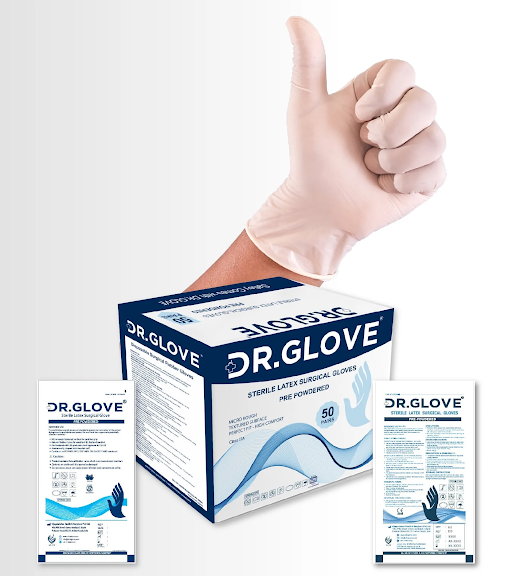
What Are Powdered Surgical Gloves?
Powdered surgical gloves were traditionally coated with cornstarch powder to make them easier to wear and remove. The powder acted as a lubricant, helping healthcare workers quickly don gloves during medical procedures.
Although this convenience was widely accepted for many years, researchers eventually discovered that glove powder could create dangerous health risks. During surgeries, the powder particles could enter open wounds, become airborne, or carry latex proteins into the respiratory system. These risks ultimately led the FDA to ban powdered medical gloves in the United States in 2016.
Why Did the FDA Ban Powdered Surgical Gloves?
The FDA concluded that powdered gloves presented an “unreasonable and substantial risk of illness or injury.” According to the agency, the risks associated with glove powder could not be corrected through labeling changes or warnings alone.
Several serious health concerns influenced this decision.
1. Severe Allergic Reactions
One of the biggest problems with powdered gloves was the increased risk of allergic reactions. Powder particles could absorb latex proteins and become airborne when gloves were removed or changed. Healthcare workers and patients could then inhale these particles, leading to respiratory complications, asthma symptoms, and hypersensitivity reactions.
This issue was especially dangerous in operating rooms where prolonged exposure frequently occurred.
2. Surgical Complications
The FDA also found that glove powder could cause internal tissue inflammation during surgeries. Powder particles entering the body could trigger granulomas and adhesions, which are bands of scar tissue that form between organs and tissues. These complications could result in pain, delayed healing, or additional surgeries.
Such complications made powdered gloves unsuitable for modern surgical environments focused on patient safety and infection prevention.
3. Increased Infection Risks
Powder particles can carry bacteria and contaminants, increasing the possibility of surgical site infections. In sterile healthcare settings, even minor contamination can create serious complications. Powder residue may also interfere with wound healing and medical procedures.
As hospitals strengthened infection control protocols, the industry began shifting toward safer glove alternatives.
The Rise of Powder Free Surgical Gloves
Following the FDA ban, healthcare institutions rapidly adopted Powder Free Surgical Gloves as the preferred standard for surgeries and medical examinations.
Unlike powdered gloves, powder-free variants are manufactured using chlorination or polymer coating processes that eliminate the need for cornstarch powder. These advanced manufacturing methods improve glove comfort while maintaining sterility and safety.
Today, powder-free gloves are considered the gold standard in healthcare because they provide:
- Reduced allergy risks
- Better infection control
- Cleaner surgical environments
- Improved patient safety
- Enhanced comfort for healthcare workers
As a result, hospitals worldwide now prioritize powder-free gloves for nearly all surgical procedures.
Benefits of Powder Free Surgical Gloves
Healthcare professionals prefer powder-free gloves for several practical and clinical reasons.
Enhanced Safety
Without airborne powder particles, powder-free gloves reduce the chances of respiratory irritation and allergic reactions. This creates a safer environment for both surgeons and patients.
Better Infection Control
Powder-free gloves help maintain sterile surgical conditions by minimizing contamination risks. Their clean surface reduces the likelihood of foreign particles entering wounds during surgery.
Improved Comfort and Dexterity
Modern powder-free gloves are designed for flexibility, tactile sensitivity, and precision. Surgeons can perform delicate procedures with greater control and confidence.
Reduced Skin Irritation
Many healthcare workers wear gloves for extended hours. Powder-free gloves reduce dryness, itching, and skin irritation commonly associated with glove powder exposure.
Global Healthcare Trends Supporting Powder-Free Gloves
The FDA ban influenced healthcare regulations around the world. Many countries and medical organizations now recommend or require powder-free gloves in hospitals and clinical settings.
Healthcare facilities increasingly recognize that safer gloves contribute to better patient outcomes and reduced liability risks. This has encouraged medical suppliers and manufacturers to innovate high-quality powder-free products that meet international safety standards.
In addition, growing awareness about latex allergies and surgical contamination continues to drive global demand for safer glove alternatives.
Why Hospitals Prefer Powder Free Surgical Gloves Today
Modern hospitals focus heavily on infection prevention, workplace safety, and surgical precision. Powder-free gloves support all three objectives.
Many surgeons also report improved comfort and cleaner operating conditions with powder-free gloves compared to older powdered options. Online discussions among healthcare users frequently mention irritation and residue problems caused by powdered gloves, further supporting the transition toward powder-free alternatives.
As healthcare standards evolve, powder-free gloves have become essential for maintaining safe and efficient surgical practices.
Choosing High-Quality Surgical Gloves
When selecting surgical gloves, healthcare providers should consider several factors:
- Sterility standards
- Material quality
- Comfort and fit
- Puncture resistance
- Regulatory compliance
- Allergy protection
Reliable manufacturers focus on producing gloves that meet international safety certifications while ensuring comfort and durability for medical professionals.
Healthcare institutions looking for trusted glove solutions increasingly choose Powder Free Surgical Gloves because they align with modern surgical safety requirements and FDA recommendations.
Other Recommendations: Surgical Gloves Manufacturers In West Bengal