Classrooms are becoming diverse and inclusive to foster the needs of varied student demographics. Adapting to the needs of diverse student population is crucial for educational institutions to make the environment nurturing and inclusive. It is important to tailor programmes and services to meet the needs of a diverse and evolving student population. In this blog, we will understand in detail the strategies that can be implemented to adapt to the changing student demographic.
What is Diversity in the classroom?
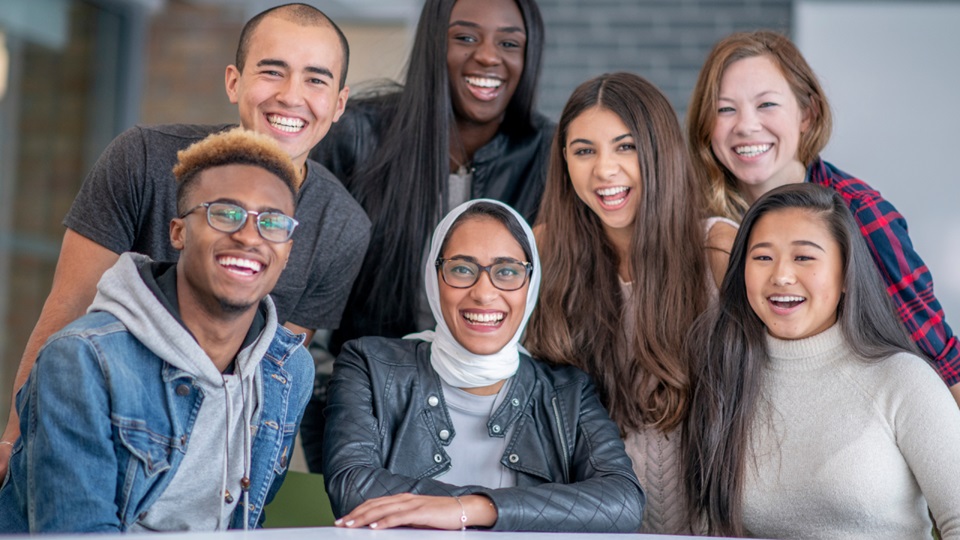
Diversity is when people are different and unique and what makes them unique is their gender, ethnicity, race, age, sexual orientation, etc. Diversity is not just about being different from others but also celebrating that fact. Classroom diversity means celebrating each student’s uniqueness, experiences, and ideas. Diversity in the classroom will also help students develop creativity and out-of-the-box thinking as they will learn about diverse perspectives and different outcomes. It will help students feel respected, represented and included. They will understand the feeling of belonging somewhere.
Strategies to Adapt to Changing Student Demographic
Educational institutions must adapt to the changing times otherwise their curriculum will become obsolete and irrelevant. Change is the only constant and one should upgrade and upskill themselves, and their businesses as the time demands. Like with the constantly changing technology we have to upgrade ourselves. However adapting to change is a complex process. It requires pre-assessment of the situation, effective solutions and continuous improvement. Let us delve into the strategies that can help ease into the changing student demographic.
Understanding the Students
Before making any changes it is important to understand the student demographic. So, this means more than just analysing data of their performances and skills but also taking into consideration their interests, points of view and experiences. When you understand your students, only then you will be able to provide better solutions to them.
Effective Communication
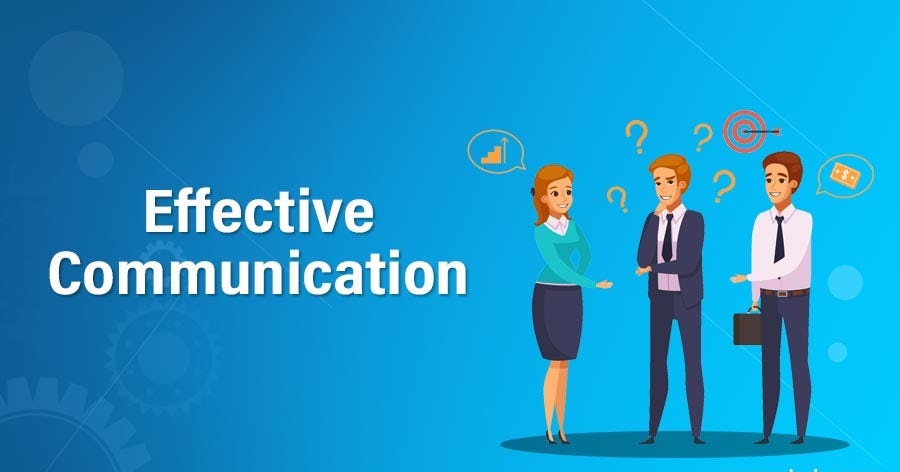
Secondly, communicating effectively with your students is very important. For effectively understanding the needs of a student authorities can also communicate with the parents. This whole process when done respectfully and clearly can lead to a positive change. This will help build a fiduciary relationship between the school and the students leading to bridging a huge gap.
Re-assessing Teaching Material
Teaching material should be re-evaluated to align with the changing student demographic. The curriculum should be accessible to all in a similar way. Educational institutions should make their curriculum relevant and culturally appropriate. It will be engaging and interesting for students if they find the material more relevant.
Flexible Modules
Earlier education was promoted as standardised and the individual needs of the students were not considered but not anymore. The one-size-fits-all approach is not suitable for the diverse student demographic as it does not cater to their needs. Flexibility in learning is a must as each student has their own capabilities and capacities. The assessments should be such that each student can approach it at their own pace and level of understanding.
Regular Training for Teachers
Teachers should be trained regularly to be able to provide the right kind of support to their diverse students. They should be trained to effectively deal with situations that require patience, empathy, and understanding. They should be flexible to new teaching techniques that are more inclusive and accommodate the needs of the students.

Integrating Technology
Technology has become an integral part of the education sector. Technology has a lot of benefits if used in the right way for education. Like augmented reality, virtual reality helps students understand the concepts better. Digital tools and resources like gamified learning, artificial intelligence, and online assessments are more self-paced and flexible which can push a student’s motivation leading to better performance. Technology has the power to make learning more enjoyable and engaging for students leading to deeper understanding.
Hire specialised professionals
To cater to the needs of students from varied demographics, educational institutions should hire professionals. These professionals possess the skills to deal with any situation. They are equipped with training that helps them understand the needs of a student. They can provide support through advice, counselling, mentoring, or maybe tutoring.
Continuous Assessment and Feedback
Adapting to the needs of a diverse student demographic is not a one-day step. It involves regular feedback from the students and parents to identify the areas of gap. This approach of continuous assessment and improvement shows the involvement of educational authorities in their student’s life.
Conclusion
Rome was not built in a day and while we know this we also need to understand that any change cannot be made in a small amount of time. Educational institutions need to embrace diversity to create a positive environment for students so that they can flourish in their academics and non-academic ventures.