Older HMT watches represent an important part of India's wristwatch manufacturing history. Their traditional designs, mechanical movements and recognisable model names attract collectors and enthusiasts.
However, purchasing an older HMT watch requires more than identifying an appealing dial. Individual examples may contain replacement components, refinished surfaces or movements requiring maintenance. Model identification, originality and mechanical condition influence both usability and purchasing value. Buyers should therefore examine available documentation and physical characteristics before selecting a vintage timepiece.
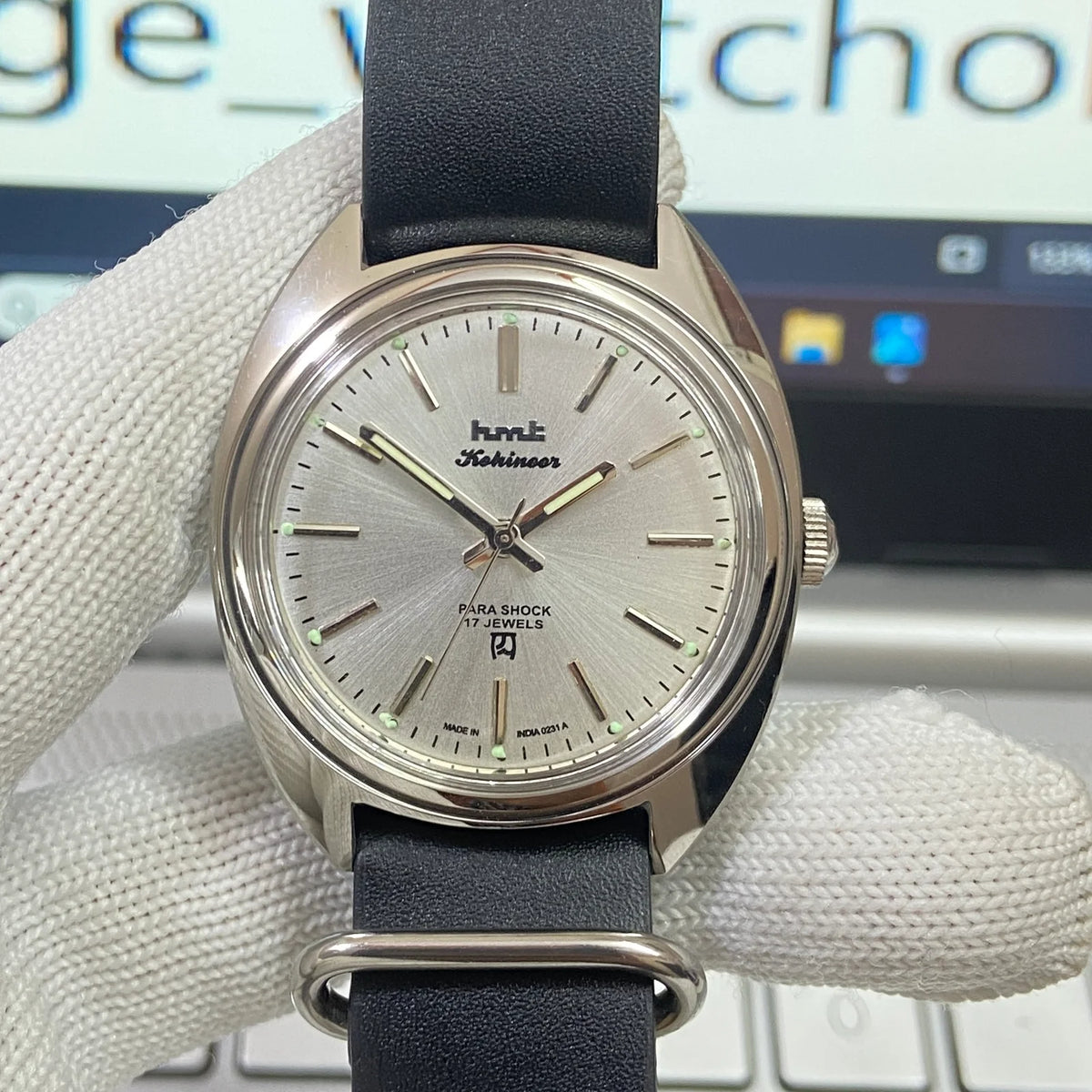
Recognisable Old HMT Watch Models
HMT produced numerous wristwatch designs that reflect different styling preferences and mechanical configurations. Several established model names remain relevant when comparing older examples.
Janata, Pilot and Kohinoor
The Janata, Pilot and Kohinoor names appear frequently in discussions of classic HMT wristwatches.
However, individual watches carrying these names may differ in dial appearance, case construction and production details.
Buyers should examine each example independently rather than assuming identical specifications across every version.
Sona, Kanchan and Jawan
Sona, Kanchan and Jawan also belong to HMT's recognised watch naming history.
Their individual designs and movement configurations require model-specific verification.
Consequently, buyers should compare photographs, identifying markings and available documentation before accepting claims about a particular variant.
Comparing Older Models
When evaluating different HMT watches, consider:
Model identity: Confirm that dial markings correspond with credible model information.
Case proportions: Examine dimensions and suitability for the intended wrist.
Dial appearance: Compare indices, lettering and hand designs.
Movement type: Identify the mechanism before assessing functionality.
Originality: Investigate previous replacements or modifications.
Furthermore, model recognition alone cannot establish authenticity or mechanical reliability.
Dial Design and Physical Characteristics
Older HMT watches display varied visual characteristics, including traditional dial layouts, different case shapes and distinctive hour markers.
Inspecting the Dial and Case
A watch's appearance can reveal useful information about previous handling and restoration.
Examine these details carefully:
Dial printing and brand-name placement.
Hour-marker alignment and attachment.
Hand shape, finish and compatibility.
Crystal scratches, cracks or cloudiness.
Case polishing and plating deterioration.
Crown appearance and operating condition.
Additionally, inspect the case back for markings that may assist identification.
However, a familiar inscription does not independently establish the originality of every component.
Understanding Design Variations
Production differences and subsequent repairs can influence the appearance of older watches.
For example, two examples carrying the same model name may feature different dial finishes or replacement crystals.
Similarly, aftermarket hands may alter the original visual balance.
Therefore, compare individual characteristics with credible photographs and available technical information rather than relying exclusively on model names.
Mechanical Movements and Performance
Many older HMT wristwatches use mechanical movements. However, buyers should verify the mechanism inside each individual watch.
Manual and Automatic Winding
Manual-winding watches require the wearer to wind the mainspring through the crown.
In contrast, automatic movements use wrist motion to help wind the mechanism.
Not every older HMT model contains an automatic movement, and specifications vary between examples.
Before purchasing, examine:
Smooth crown operation during winding.
Correct hand adjustment.
Consistent movement functionality.
Available power-reserve information.
Calendar operation, where applicable.
Previous servicing documentation.
Compatible replacement-part availability.
Moreover, a running movement does not necessarily indicate satisfactory internal condition.
Mechanical Wear and Servicing
Older movements may contain deteriorated lubricants, worn components or previous repair modifications.
Consequently, buyers should ask about servicing history and observed timekeeping performance.
A brief operating demonstration cannot establish long-term reliability.
Professional watchmakers can examine internal components and identify maintenance requirements that photographs cannot reveal.
Authenticity, Originality and Restoration
Authenticity requires examining the relationship between a watch's movement, dial, case and identifying markings.
Checking Original Components
A genuine HMT movement does not automatically establish that the entire watch retains its original configuration.
Buyers should investigate:
Dial printing and logo consistency.
Movement identification and markings.
Case-back details.
Crown and hand compatibility.
Replacement crystals and straps.
Refinished dials or aftermarket components.
Furthermore, sellers should disclose significant restoration work.
Photographs provide useful evidence, although they cannot conclusively establish authenticity.
Original Versus Restored Watches
Collectors may appreciate original components despite visible ageing.
Conversely, restored watches may appeal to buyers seeking improved appearance or practical functionality.
Neither category automatically guarantees superior value.
Excessive polishing can soften case edges, while corrosion may indicate more serious deterioration.
Therefore, distinguish cosmetic condition from mechanical reliability when evaluating older HMT watches.
Buying Old HMT Watches Online in India
Consumers planning to buy hmt old models watch online in India should prioritise transparent sellers, accurate descriptions and detailed photographs.
Essential Online Purchasing Checks
Before ordering, verify:
Seller identity and available customer feedback.
Correct model identification.
Clear dial, case-back and movement photographs.
Functional condition and known defects.
Previous repairs and replacement components.
Return and refund arrangements.
Packaging and shipping precautions.
Complete purchase costs.
Additionally, request clarification whenever photographs contradict the product description.
Two visually similar watches may present different purchasing risks if one seller cannot provide movement information.
Inspection After Delivery
Examine the watch promptly after receiving it.
Check crown operation, hand adjustment and visible exterior condition.
Furthermore, document any discrepancies before contacting the seller.
Avoid opening the movement without appropriate equipment and technical knowledge.
Pricing and Long-Term Ownership
Older HMT watch prices depend on model identity, condition, originality and movement functionality.
Evaluating Collector Value
A higher asking price does not automatically indicate rarity or authenticity.
Similarly, inexpensive examples may require substantial servicing expenses.
Compare documented condition, replacement components and available alternatives before assessing value.
Personal collecting interest should remain separate from expectations of financial returns.
Maintaining Vintage HMT Watches
Appropriate care helps reduce avoidable deterioration.
Owners should:
Avoid unnecessary moisture exposure.
Protect watches against impacts.
Keep mechanical movements away from strong magnetic fields.
Wind gently without forcing the crown.
Store watches in clean, dry surroundings.
Clean exterior surfaces carefully.
Seek professional servicing when performance deteriorates.
Importantly, older watches may no longer retain their original water resistance.
Conclusion
Older HMT wristwatches offer varied designs, recognisable model names and traditional mechanical construction.
However, buyers should verify model identity, inspect movement condition and investigate restoration history before purchasing.
Clear photographs, credible documentation and transparent seller descriptions help distinguish original examples from modified watches.
Ultimately, realistic expectations about servicing, component availability and everyday performance support more satisfactory ownership of vintage HMT timepieces.