Household pests are more than a minor nuisance, they can damage property, contaminate food, and affect overall health. Many infestations begin quietly, making early identification essential for effective control. From tiny insects hiding in mattresses to rodents nesting in walls, each pest leaves behind telltale signs. Understanding these clues helps homeowners respond before the problem escalates. Different pests require different approaches, so proper identification is the first step toward elimination. A clean, well-maintained home reduces risk, but even the most careful households can experience infestations. Knowing what to look for empowers residents to protect their living spaces confidently.
Identifying Bed Bugs
Bed bugs are small, flat insects that feed on human blood, usually at night. Common signs include itchy bite marks, small blood stains on sheets, and dark spots along mattress seams. These pests often hide in beds, upholstered furniture, and cracks near sleeping areas. Because they are excellent hitchhikers, infestations often start after travel or secondhand furniture purchases. Eliminating bed bugs requires thorough cleaning, vacuuming, and heat treatment of affected items. Consistency is crucial, as missing even a few insects can allow the problem to return.
Recognizing Crawling Insects
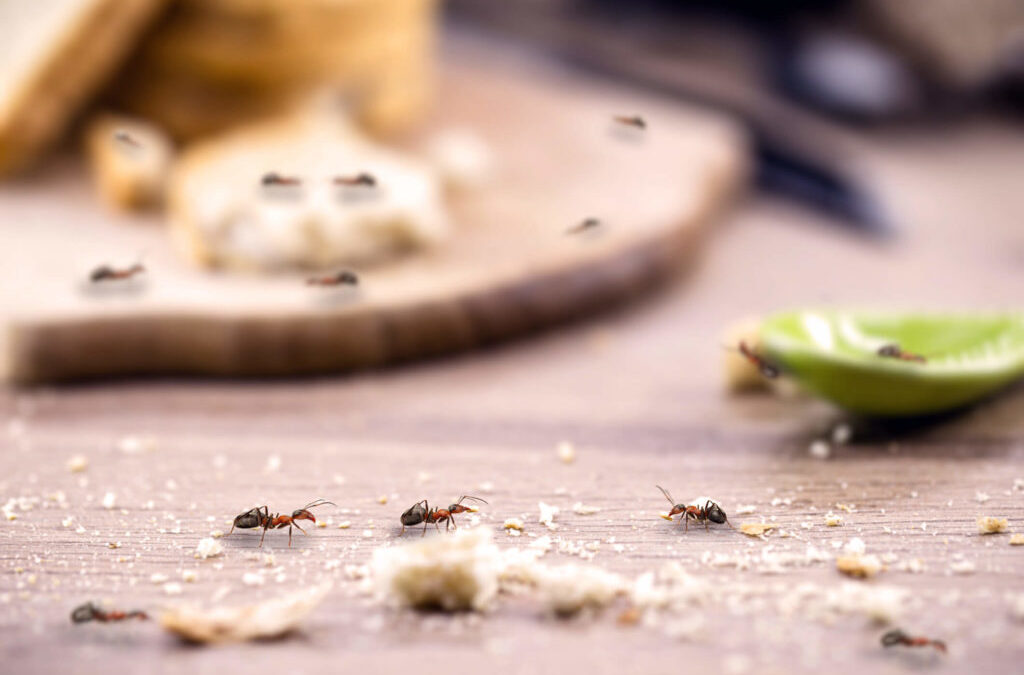
Ants, cockroaches, and similar crawling insects are among the most frequently encountered household pests. Ant trails near food sources or sinks usually indicate a nearby nest. Cockroaches tend to hide in dark, moist areas and leave behind droppings or a musty odor. These pests are attracted to crumbs, standing water, and cluttered spaces. Effective control involves sealing entry points, removing food access, and maintaining strict sanitation. Reducing humidity and fixing leaks can significantly limit their ability to survive indoors.
Spotting Flying Pests
Flying pests such as flies and mosquitoes are not only irritating but can also spread disease. Flies often gather around garbage, drains, or decaying organic matter, while mosquitoes thrive near standing water. Buzzing sounds, frequent sightings, and bites are common indicators. Eliminating breeding grounds is the most effective solution, which includes disposing of waste properly and draining stagnant water. Installing screens and keeping windows closed during peak activity times further reduces indoor exposure.
Dealing with Rodents
Rodents are among the most destructive household pests, capable of chewing through walls, wires, and food packaging. Signs of their presence include droppings, gnaw marks, scratching noises, and nests made from shredded materials. Rodents often enter homes seeking warmth and food, especially during colder months. Eliminating them requires sealing gaps, storing food securely, and removing nesting opportunities. Trapping and exclusion methods are commonly used, but long-term success depends on preventing reentry. Click on this page to know more.
Preventing Future Infestations
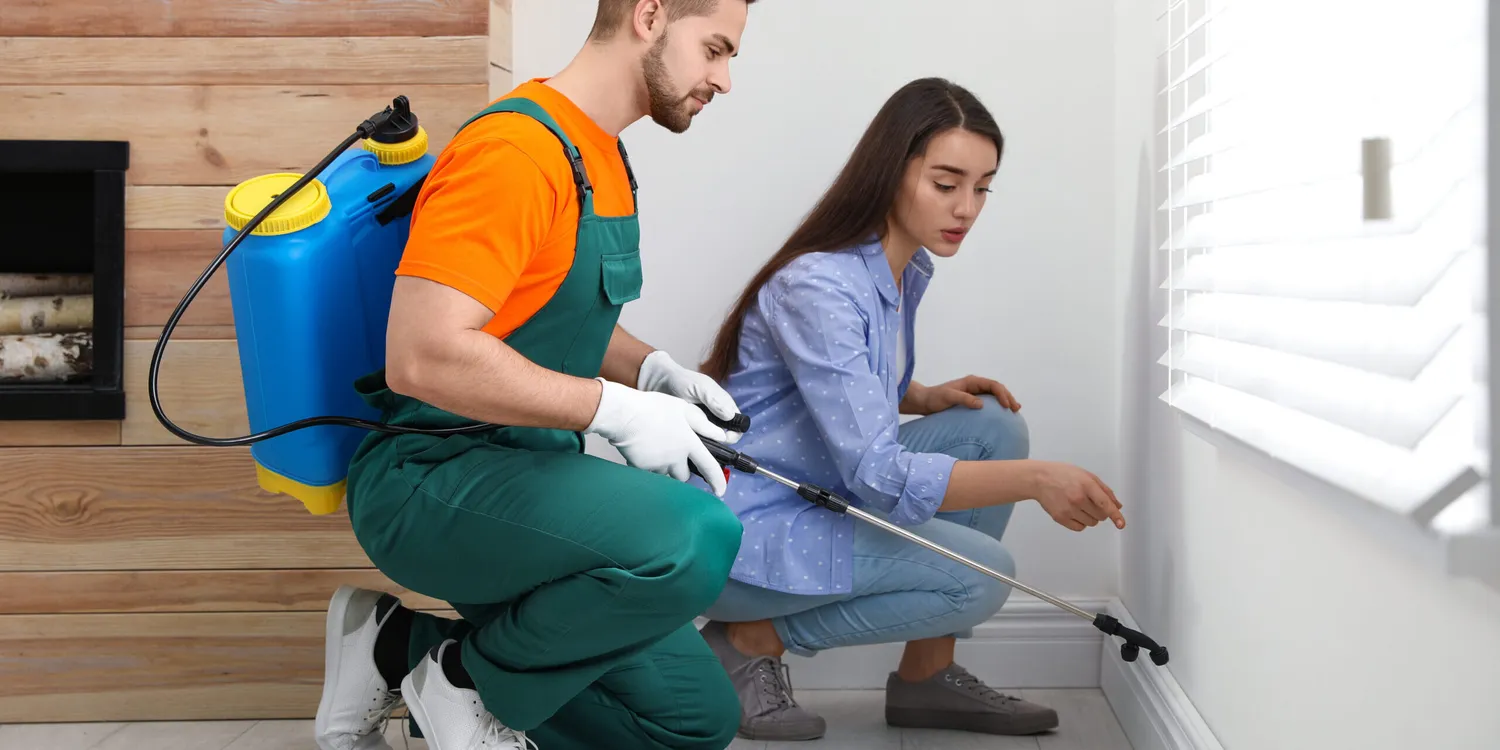
Prevention is the most reliable way to manage household pests. Regular cleaning, proper food storage, and routine inspections reduce the chances of infestations. Sealing cracks, repairing screens, and managing moisture create an environment pests struggle to survive in. Staying alert to early warning signs allows for quick action before pests multiply. With consistent habits and informed responses, homeowners can keep their spaces pest-free and comfortable year-round.