Precision and efficiency are critical in the machining and manufacturing industries. The All Geared Lathe Machine and the Vertical Turning Lathe Machine are two crucial pieces of equipment that meet these requirements. These devices are essential instruments in a variety of industrial applications since they each have unique benefits and capacities. The advantages and characteristics of vertical turning lathe machines—the ideal complement to all-geared lathe machines—are examined in this article.
Understanding All Geared Lathe Machines
All Geared Lathe Machine is made to be highly effective and versatile when it comes to machining tasks. These machines can be precisely adjusted during the turning process because they use a set of gears to control the speed and torque. They work well with a variety of materials, such as composites, metals, and polymers. The following are the main characteristics of all geared lathe machines:
1. Variable Speed Control: To accommodate various materials and cutting needs, the gearing system makes it simple for operators to modify the spindle speed.
2. High Precision: They are perfect for applications requiring tight tolerances because of their sturdy design and careful engineering, which guarantee correct dimensions and finishes.
3. Versatility:All geared lathe machines are capable of a wide range of tasks, including threading, drilling, and turning, which makes them appropriate for a wide range of production applications.
4. User-Friendly Design: Operators of all skill levels can operate many contemporary all-geared lathe machines thanks to their digital displays and simple controls.
5. Durability: Constructed from premium materials to endure extensive usage, these machines guarantee longevity and reliable operation.
Exploring Vertical Turning Lathe Machines
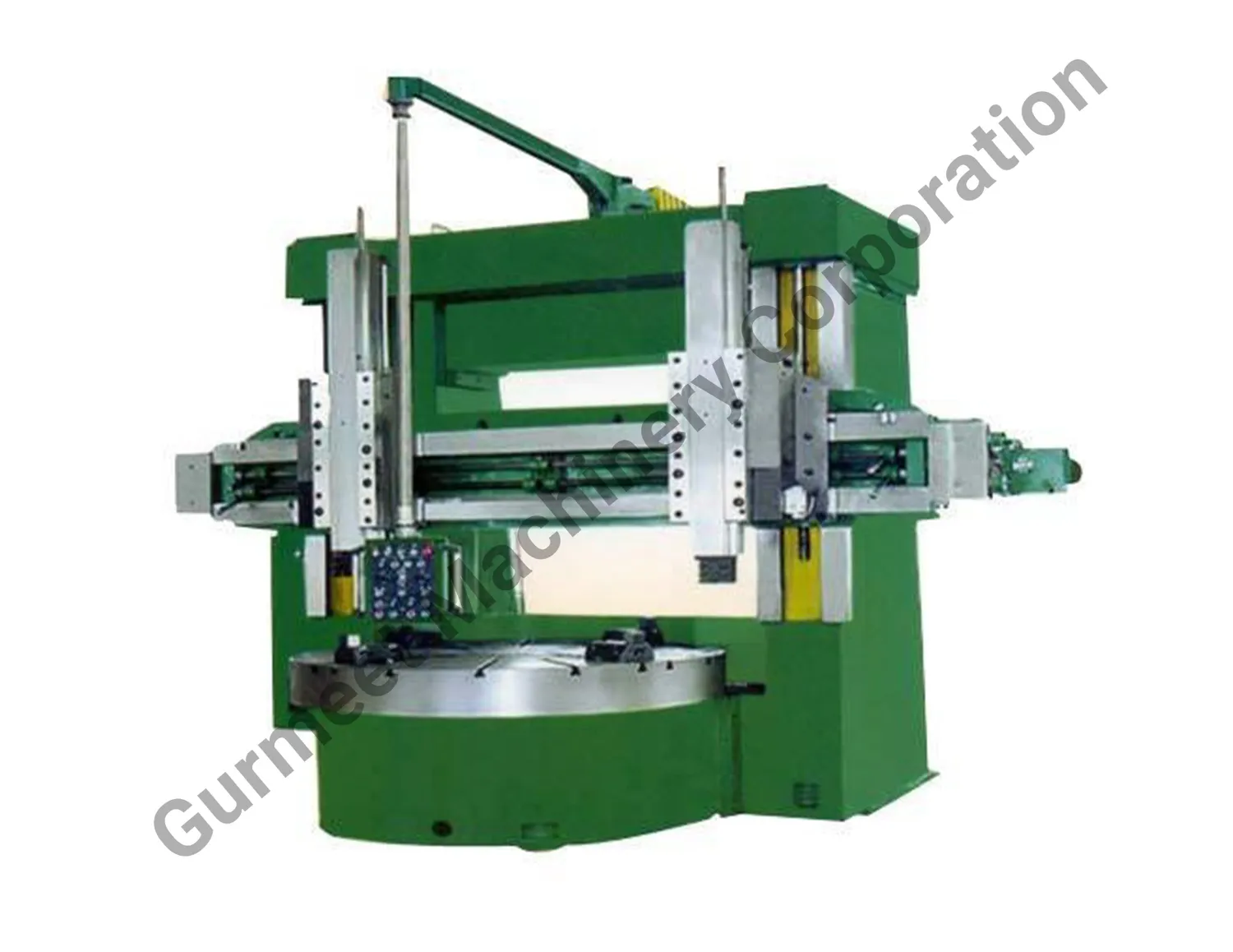
Often called VTLs, vertical turning lathe machines are specialist equipment made to turn heavy and massive workpieces. In contrast to conventional horizontal lathes, vertical lathes are oriented vertically, which enables gravity to help keep the workpiece firmly in place while it is being machined. The following are some of the main characteristics and benefits of vertical turning lathes:
1. Space Efficiency: The vertical design of these machines occupies less floor space compared to horizontal lathes, making them ideal for workshops with limited space.
2. Handling Heavy Workpieces: Vertical Turning Lathes are designed to support large and heavy components, such as discs, rings, and other complex shapes. This capability is essential in industries like aerospace, automotive, and heavy machinery.
3. Improved Chip Removal: The vertical orientation facilitates better chip removal during machining, reducing the risk of tool wear and ensuring a smoother cutting process.
4. Enhanced Stability: The design of Vertical Turning Lathes provides greater stability during the machining process, leading to higher accuracy and better surface finishes.
The Synergy Between All Geared Lathe Machines and Vertical Turning Lathe Machines
Manufacturers can achieve unmatched variety and efficiency in machining processes by combining vertical turning lathe machines with all-geared lathe machines. Even though each machine has its own advantages, they work well together in a number of ways:
1. Complementary Capabilities
Vertical turning lathes are better suited for larger, heavier pieces, but all geared lathe machines are excellent at producing smaller, more accurate components. Businesses can increase production efficiency and meet a greater variety of product requirements by incorporating both equipment into a manufacturing workflow. For example, a vertical turning lathe can handle larger assemblies that need more durable machining, while an all-geared lathe machine can be utilized to generate fine features on smaller components.
2. Optimized Workflow
The availability of both devices enables a more efficient workflow. Before being sent to the Vertical Turning Lathe for final operations, components can be manufactured on the All Geared Lathe Machine. This method guarantees that the finished product satisfies high standards of quality by cutting down on handling time and lowering the possibility of damage during the transfer process.
3. Enhanced Productivity
Productivity can be greatly increased by using both kinds of machinery. Reducing downtime and increasing output, one machine can be set up for the next task while the other is operating. For instance, operators can set up the All Geared Lathe Machine for a different task while the Vertical Turning Lathe Machine is processing a huge workpiece, guaranteeing a steady flow of output.
4. Greater Flexibility
When vertical turning lathes and all-geared lathe machines are combined, producers have more flexibility to adapt to shifting market demands. Having both equipment on hand enables businesses to easily change course without sacrificing quality, whether they are generating massive production runs or small batches of specialty components.
Conclusion
Utilizing the advantages of both vertical turning lathe machines and all-geared lathe machines is essential in the highly competitive manufacturing sector to achieve accuracy, efficiency, and adaptability. Vertical turning lathes are superior at handling larger, heavier workpieces with improved stability and chip removal, whereas all-geared lathe machines are best suited for complex machining applications demanding high accuracy.
Manufacturers may improve processes, boost productivity, and effectively address a variety of machining demands by combining these two machines into a seamless production environment. In the end, All Geared Lathe Machines and Vertical Turning Lathe Machines' collaboration offers a potent answer to contemporary manufacturing problems, guaranteeing that businesses can produce high-quality goods while maintaining their competitiveness in a market that is always changing.