Investing in a gantry crane is a major capital decision for any industrial operation. Whether it is for warehouses, fabrication units, shipyards, or construction sites, understanding how pricing works is essential before approaching suppliers. Many buyers assume crane prices are fixed, but in reality, several technical and commercial factors influence the final cost. This is where Gantry Cranes Manufacturers play a critical role, as their engineering standards, material choices, and customization options directly affect pricing.
This blog provides a clear, transparent breakdown of gantry crane costs and explains what manufacturers charge and why, helping buyers make informed and cost-effective decisions.
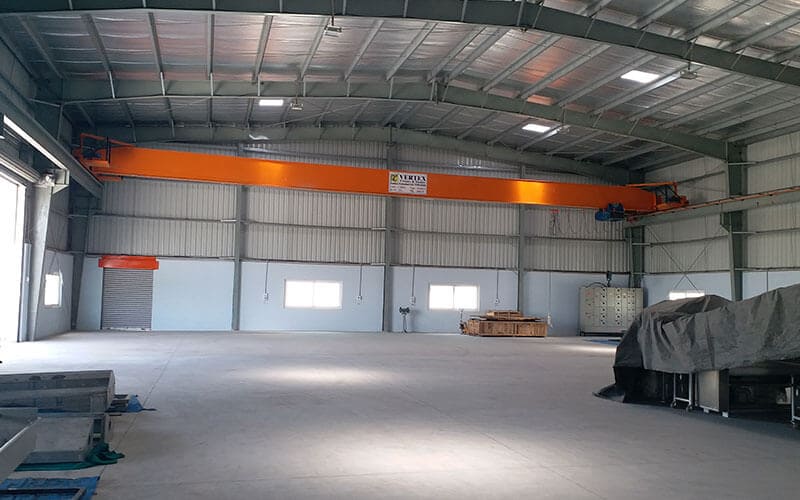
Understanding Gantry Crane Pricing in the Industrial Market
Gantry cranes are not mass-produced consumer products. Each system is engineered based on load capacity, span, height, working environment, and operational frequency. As a result, pricing varies significantly from one project to another. Manufacturers calculate costs by considering raw materials, design complexity, safety compliance, fabrication processes, and after-sales support.
Unlike off-the-shelf equipment, gantry cranes are often customized, which means the final price reflects both manufacturing expertise and application-specific requirements.
Key Factors That Influence Gantry Crane Costs
1. Load Capacity and Lifting Requirements
One of the most significant cost drivers is load capacity. A gantry crane designed to lift 2–5 tons will cost considerably less than one engineered for 20–50 tons. Higher capacity cranes require stronger girders, reinforced end carriages, heavy-duty hoists, and advanced braking systems, all of which increase material and production costs.
2. Crane Span and Height
The longer the span and the greater the lifting height, the higher the structural steel requirement. Larger spans also demand precise engineering to maintain stability and minimize deflection. This increases fabrication time and material consumption, impacting overall cost.
3. Type of Gantry Crane
Costs vary depending on whether the crane is a full gantry, semi-gantry, portable gantry, or adjustable gantry crane. Semi-gantry cranes, for example, use one runway beam and one ground rail, making them more cost-efficient for certain facilities compared to full gantry systems.
4. Material Quality and Structural Steel
Reputed manufacturers use certified, high-grade structural steel to ensure durability and safety. While this increases upfront cost, it significantly improves service life and reduces long-term maintenance expenses. Cheaper materials may reduce initial pricing but often result in higher lifecycle costs.
Design, Engineering, and Compliance Costs
Custom Engineering and Design
Every industrial site is different. Manufacturers invest in engineering analysis, load calculations, CAD designs, and stress simulations to ensure optimal performance. Custom designs tailored to operational needs add value—but also cost—due to skilled engineering involvement.
Safety Standards and Certifications
Compliance with national and international safety standards such as IS, ISO, or FEM is non-negotiable. Testing, inspections, load trials, and certification processes add to manufacturing costs but are essential for worker safety and legal compliance.
Cost Breakdown at the Midpoint of Decision-Making
At this stage of evaluation, buyers typically compare quotations and features. This is where Gantry Cranes Manufacturers differentiate themselves not just on price, but on value. Costs at this midpoint include structural fabrication, hoisting mechanisms, electrical panels, control systems, and safety devices such as limit switches and overload protection. Manufacturers that invest in precision engineering and quality assurance may appear slightly higher priced, but they offer superior reliability and lower downtime over the crane’s lifespan.
Electrical, Automation, and Control System Costs
Modern gantry cranes often include advanced electrical systems, such as VFDs (Variable Frequency Drives), pendant controls, radio remote controls, and automation features. These systems improve operational efficiency, load control, and safety, but they also increase overall costs.
Automation-ready cranes are particularly popular in high-volume industrial environments, where precision and productivity outweigh initial investment concerns.
Installation, Transportation, and Commissioning
Manufacturers also account for logistics and on-site services. Transportation of heavy crane components, installation supervision, alignment, commissioning, and operator training all contribute to the final quote. These services ensure proper setup and long-term performance, making them a crucial part of the cost structure.
Maintenance, Warranty, and After-Sales Support
Reputed manufacturers include warranty coverage, preventive maintenance guidance, and access to spare parts. While this may slightly increase initial pricing, it significantly reduces operational risks and unplanned expenses in the future. Buyers should always factor in long-term service support when comparing costs.
Working with trusted Gantry Cranes Manufacturers ensures that pricing reflects quality, engineering expertise, and long-term operational value rather than short-term savings alone.
Why the Cheapest Gantry Crane Is Not Always the Best Choice
Price-focused purchasing often overlooks critical aspects such as safety margins, component quality, and engineering precision. Low-cost cranes may lack durability, face frequent breakdowns, or fail compliance checks. Trusted manufacturers focus on total cost of ownership rather than just upfront pricing, ensuring better ROI over time.
How to Choose the Right Manufacturer Based on Cost Transparency
When evaluating suppliers, buyers should request detailed cost breakups, technical specifications, and compliance documentation. Transparent pricing reflects professional manufacturing practices and helps customers understand exactly what they are paying for.
Choosing an experienced manufacturer ensures that every rupee invested translates into performance, safety, and long-term reliability.
Conclusion
Understanding gantry crane cost breakdowns empowers buyers to make smarter, more strategic decisions. From load capacity and design complexity to safety compliance and after-sales support, every cost component plays a vital role in overall crane performance.
For businesses seeking reliable, efficient, and cost-effective lifting solutions, partnering with the right manufacturer is the key to maximizing return on investment and operational safety.
Other Recommendations: Cranes Manufacturers In Hyderabad