When it comes to industrial material handling, one of the most common and important questions buyers ask is: how much weight can an EOT crane lift? The answer isn’t one-size-fits-all. The lifting capacity of an Electric Overhead Traveling (EOT) crane depends on multiple factors including design, configuration, and application requirements.
If you're planning to invest in a crane system, understanding load capacity is essential—not just for efficiency, but also for safety and long-term performance. Leading EOT CRANE SUPPLIERS IN HYDERABAD emphasize that choosing the right capacity crane can significantly impact your operational productivity.
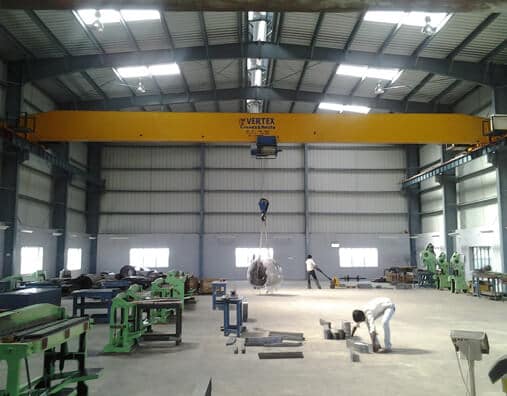
What Is the Lifting Capacity of an EOT Crane?
The lifting capacity of an EOT crane refers to the maximum weight it can safely lift and transport within a facility. This capacity is usually measured in tons and can range widely depending on the crane type.
Typical Capacity Range:
- Light-duty cranes: 1 to 5 tons
- Medium-duty cranes: 5 to 20 tons
- Heavy-duty cranes: 20 to 100 tons
- Ultra-heavy cranes: 100+ tons
Some highly specialized cranes used in industries like steel manufacturing or shipbuilding can lift over 500 tons, but these are custom-built systems.
Key Factors That Affect EOT Crane Lifting Capacity
Understanding what determines the lifting power of an EOT crane helps you make an informed decision. Here are the primary factors:
Crane Type (Single Girder vs Double Girder)
- Single girder cranes typically handle lighter loads (up to 20 tons).
- Double girder cranes are designed for heavy-duty lifting (up to 100+ tons).
Your choice will directly influence how much weight your crane can safely lift.
Span Length
The span refers to the distance between the crane rails. A longer span may reduce the maximum load capacity due to structural limitations. Engineers must balance span and load for optimal performance.
Hoist Type
The hoist is the core lifting component. Its design and quality determine how efficiently and safely loads are lifted. Common types include:
- Wire rope hoists (for heavy loads)
- Chain hoists (for lighter applications)
Duty Cycle
Duty cycle refers to how frequently the crane operates. Cranes used in continuous operations require stronger components and may have adjusted load capacities to ensure durability.
Structural Design & Materials
High-quality steel and robust engineering design allow cranes to handle heavier loads without compromising safety.
Why Load Capacity Matters
Choosing the right lifting capacity is not just about meeting your current needs. It also affects:
- Safety: Overloading can lead to equipment failure or accidents
- Efficiency: Proper capacity ensures smooth operations
- Cost: Oversized cranes can increase unnecessary expenses
- Longevity: Correct usage extends the crane’s lifespan
Reputable EOT CRANE SUPPLIERS IN HYDERABAD always recommend conducting a proper load analysis before finalizing a crane.
Standard Load Classes in EOT Cranes
EOT cranes are often classified based on load and usage:
- Class I (Light Duty) – Infrequent usage, light loads
- Class II (Moderate Duty) – Regular usage with moderate loads
- Class III (Heavy Duty) – Continuous operation with heavy loads
- Class IV (Severe Duty) – Extreme industrial environments
Selecting the right class ensures optimal performance and safety.
How to Choose the Right Lifting Capacity
If you're unsure about what capacity you need, consider the following:
Analyze Your Load Requirements
Identify the heaviest load your operations will require—not just average loads.
Consider Future Expansion
Choose a crane that can handle slightly higher loads to accommodate business growth.
Evaluate Workspace Constraints
Height, width, and layout of your facility play a role in crane selection.
Consult Experts
Working with experienced EOT CRANE SUPPLIERS IN HYDERABAD ensures you get a crane tailored to your exact needs.
Common Mistakes to Avoid
Many businesses make critical errors when selecting crane capacity:
- Underestimating load requirements
- Ignoring dynamic load factors (sudden movements, impact loads)
- Overlooking safety margins
- Choosing based on price instead of quality
Avoiding these mistakes can save significant costs and prevent operational issues.
Safety Considerations in Load Handling
Even if your crane is rated for a certain capacity, safe operation is crucial:
- Never exceed the rated load
- Conduct regular inspections
- Train operators properly
- Use load indicators and limit switches
Professional EOT CRANE SUPPLIERS IN HYDERABAD often provide guidance on safety standards and maintenance practices.
Customization Options for Higher Capacity
If standard cranes don’t meet your requirements, customized solutions are available. These may include:
- Reinforced girders
- Advanced hoisting mechanisms
- Automated control systems
- Higher-grade materials
Custom cranes are ideal for industries with specialized lifting needs.
Final Thoughts
So, how much weight can an EOT crane lift? The answer depends on your specific requirements, but generally ranges from 1 ton to over 100 tons, with custom solutions going even higher.
The key is not just choosing a crane with maximum capacity, but selecting one that aligns perfectly with your operational needs, safety standards, and future growth.
Partnering with reliable EOT CRANE SUPPLIERS IN HYDERABAD ensures that you get expert guidance, high-quality equipment, and long-term value for your investment.
Other Recommendations: GANTRY CRANES SUPPLIERS IN HYDERABAD