In modern manufacturing, achieving consistent particle size and efficient grinding is essential for producing high-quality products. A continuous ball mill is one of the most reliable machines for large-scale grinding applications across industries such as chocolate, food processing, chemicals, ceramics, and pharmaceuticals. Businesses looking for dependable Continuous Ball Mill Manufacturers in India often prioritize equipment that delivers uninterrupted production, energy efficiency, and precise grinding performance. Understanding how this machine works can help manufacturers choose the right solution for their production requirements.
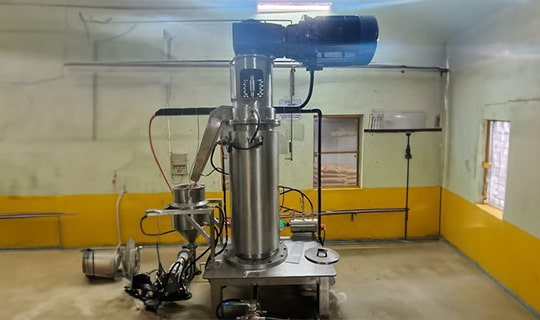
What Is a Continuous Ball Mill?
A continuous ball mill is an industrial grinding machine designed to crush and grind raw materials continuously instead of processing them in separate batches. Unlike traditional batch ball mills that require loading and unloading after each cycle, a continuous ball mill allows material to enter from one end while the finished product exits from the other.
This uninterrupted operation makes it an excellent choice for industries with high production demands where maintaining consistent quality is critical.
Main Components of a Continuous Ball Mill
To understand its working principle, it's important to know the key components that make up the machine.
1. Feeding System
The feeding system introduces raw materials into the grinding chamber at a controlled and uniform rate. Consistent feeding ensures stable production and prevents overloading.
2. Rotating Grinding Chamber
The cylindrical chamber rotates at a carefully controlled speed. Inside this chamber are grinding media such as steel, ceramic, or alloy balls that perform the grinding action.
3. Grinding Media
The grinding balls vary in size depending on the application. As the chamber rotates, these balls collide with the material, reducing particle size through impact and friction.
4. Drive Mechanism
An electric motor powers the rotating cylinder through gears or belt drives, ensuring smooth and continuous operation.
5. Discharge System
Once the material reaches the desired fineness, it moves toward the outlet and exits the mill continuously for further processing or packaging.
Step-by-Step Working Process of a Continuous Ball Mill
Understanding the complete grinding cycle helps manufacturers appreciate why continuous ball mills are widely preferred for industrial production.
Step 1: Raw Material Feeding
The process begins with raw materials entering the mill through the feed inlet. Automated feeding systems maintain a constant flow, ensuring uninterrupted production.
Step 2: Rotation of the Cylinder
The cylindrical shell rotates at a predetermined speed. This rotation lifts the grinding balls inside the chamber before gravity causes them to fall onto the material.
Step 3: Grinding Action
As the grinding media repeatedly impact and rub against the material, large particles gradually break into finer particles.
The grinding process occurs through:
- Impact force
- Compression
- Friction
- Attrition
These combined actions produce a uniform particle size suitable for industrial applications.
Step 4: Continuous Material Flow
Unlike batch grinding systems, fresh material continuously enters the chamber while ground material simultaneously moves toward the outlet.
This constant flow significantly improves production efficiency.
Step 5: Product Discharge
The finished material exits the discharge end automatically. Depending on the manufacturing process, it may proceed to filtration, mixing, storage, or packaging.
Why Continuous Grinding Is More Efficient
Continuous operation eliminates downtime caused by repeatedly stopping the machine for loading and unloading.
Some major operational advantages include:
- Higher production capacity
- Reduced labor requirements
- Better product consistency
- Lower operating costs
- Improved energy utilization
- Minimal production interruptions
These advantages make continuous ball mills highly suitable for large-scale manufacturing facilities.
Applications of Continuous Ball Mills
Continuous ball mills are used across numerous industries because of their versatility and precision.
Chocolate Manufacturing
Chocolate manufacturers use continuous ball mills to refine cocoa mass, sugar, and milk powder into smooth chocolate with consistent texture and flavor.
Food Processing
Food manufacturers grind spices, sugar, cocoa, and various food ingredients requiring uniform particle sizes.
Chemical Industry
Many chemicals require fine grinding before blending or packaging, making continuous ball mills an important part of chemical production.
Ceramic Industry
Ceramic manufacturers grind minerals and raw materials to achieve the desired consistency for high-quality ceramic products.
Pharmaceutical Industry
Certain pharmaceutical formulations require extremely fine particle sizes to ensure product effectiveness and uniformity.
Factors That Affect Grinding Performance
Several variables influence the overall efficiency of a continuous ball mill.
Grinding Media Size
Larger grinding balls are suitable for coarse grinding, while smaller balls produce finer particles.
Rotation Speed
The cylinder must rotate at an optimized speed. Excessive speed reduces grinding efficiency, while insufficient speed limits particle reduction.
Material Feed Rate
A controlled feed rate prevents overloading and ensures smooth grinding.
Material Hardness
Harder materials require more grinding time and appropriate grinding media selection.
Residence Time
The duration that material remains inside the grinding chamber directly impacts the final particle size.
Proper adjustment of these factors helps achieve optimal grinding performance.
Maintenance Tips for Reliable Performance
Routine maintenance improves productivity and extends equipment lifespan.
Recommended maintenance practices include:
- Inspect grinding media regularly
- Lubricate bearings and moving parts
- Monitor motor performance
- Check liner wear
- Clean feeding and discharge systems
- Replace worn components before failure
Preventive maintenance reduces unexpected downtime and improves long-term operational efficiency.
Why Manufacturers Prefer Continuous Ball Mills
Industrial manufacturers increasingly choose continuous ball mills because they support uninterrupted production while maintaining consistent product quality.
Compared to conventional grinding systems, continuous mills offer:
- Faster processing
- Lower production costs
- Consistent output quality
- Higher automation capability
- Reduced material wastage
- Better scalability for growing production demands
These benefits make continuous grinding technology a preferred solution for modern manufacturing facilities.
When selecting industrial equipment, working with experienced Continuous Ball Mill Manufacturers in India ensures access to machines designed for durability, precision, and long-term performance. Reliable manufacturers also provide technical support, customization options, installation assistance, and after-sales service that contribute to smoother operations.
Choosing the Right Continuous Ball Mill
Before investing in a continuous ball mill, manufacturers should evaluate:
- Production capacity requirements
- Material characteristics
- Required particle size
- Machine construction material
- Energy consumption
- Automation features
- Maintenance requirements
- Availability of technical support
A well-matched machine can significantly improve productivity while reducing operational expenses over time.
Conclusion
A continuous ball mill plays a vital role in modern industrial grinding by delivering uninterrupted processing, consistent particle size, and high production efficiency. Its simple yet highly effective working principle makes it suitable for a wide range of industries, including chocolate manufacturing, food processing, chemicals, ceramics, and pharmaceuticals.
For businesses planning to upgrade their grinding systems, partnering with trusted Continuous Ball Mill Manufacturers in India can make a significant difference. High-quality equipment, expert engineering, and dependable after-sales support help manufacturers maximize productivity, improve product quality, and achieve long-term operational success.
Other Recommendations: Chocolate Enrobing Line Manufacturers in India