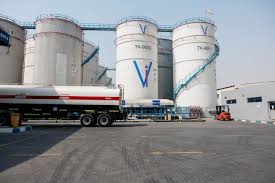
The oil and gas industry is constantly evolving, with new technologies, regulations, and market demands shaping its future. One critical aspect of this industry is oil storage infrastructure, which plays a vital role in managing supply and demand fluctuations. Hamriyah Terminal in the United Arab Emirates (UAE) has emerged as a strategic hub for oil storage, attracting significant investment from global stakeholders.
In this article, we will explore the future of oil storage in Hamriyah Terminal, the factors driving its growth, investment opportunities, and challenges that investors should consider.
1. Understanding Hamriyah Terminal’s Strategic Importance
Hamriyah Terminal is located within Hamriyah Free Zone (HFZ), one of the UAE’s most significant industrial areas. Its prime location near major shipping routes and access to global oil markets make it a preferred choice for oil storage and trading. Additionally, the terminal offers access to deep-water ports, ensuring seamless transportation of crude oil and refined products.
2. The Growing Demand for Oil Storage
With increasing volatility in oil prices, companies are looking for cost-effective storage solutions to manage supply fluctuations. The growing energy demands of Asia, Europe, and Africa have further intensified the need for strategically located storage facilities. Hamriyah Terminal provides a secure and efficient storage infrastructure to meet these demands, making it an attractive destination for investors.
3. Key Features of Hamriyah Terminal’s Oil Storage Facilities
Investors considering Hamriyah Terminal should be aware of its key features:
- State-of-the-art storage tanks capable of handling various petroleum products.
- Advanced safety and security systems ensuring compliance with international standards.
- Efficient connectivity to pipelines, refineries, and transportation networks.
- Flexible leasing options that cater to both short-term and long-term storage needs.
4. Government Policies and Regulatory Framework
The UAE government actively supports investments in the oil and gas sector. Hamriyah Terminal benefits from:
- Tax incentives for businesses operating in the Hamriyah Free Zone.
- Streamlined regulatory approvals to facilitate infrastructure expansion.
- Stringent environmental policies ensuring sustainable oil storage practices.
Investors should stay updated on government policies to maximize their returns and remain compliant with evolving regulations.
5. Technological Advancements in Oil Storage
The future of oil storage in Hamriyah Terminal will be significantly influenced by technology-driven innovations such as:
- Automated storage systems for improved efficiency.
- Digital monitoring and AI-driven analytics for real-time tracking.
- Eco-friendly storage solutions to reduce environmental impact.
Adopting these technologies will help Hamriyah Terminal remain competitive and attract global investors.
6. Expansion Plans and Future Growth Prospects
Hamriyah Terminal is undergoing significant expansion, with plans to increase storage capacity and improve infrastructure. Key developments include:
- New storage tanks to accommodate growing demand.
- Enhanced port facilities to handle larger shipments.
- Upgraded pipeline networks for faster and safer fuel transportation.
These expansion projects present lucrative opportunities for investors looking to capitalize on the region’s growing energy market.
7. Investment Opportunities in Hamriyah Terminal
For investors, Hamriyah Terminal offers diverse investment opportunities, including:
- Direct investment in storage facilities for steady revenue streams.
- Partnerships with local and international oil companies to enhance business prospects.
- Infrastructure development projects, such as pipelines and terminal upgrades.
With increasing global oil demand, investing in oil storage infrastructure can yield substantial long-term benefits.
8. Challenges and Risks for Investors
While the future looks promising, investors should consider potential risks, including:
- Fluctuating oil prices, which can impact demand for storage.
- Geopolitical tensions that may disrupt operations.
- Regulatory changes affecting business models.
Proper risk assessment and strategic planning are essential to navigating these challenges successfully.
9. The Role of Sustainability in Oil Storage
As the world moves towards sustainable energy solutions, oil storage facilities must align with environmental goals. Hamriyah Terminal is adopting green initiatives, including:
- Carbon emission reduction strategies.
- Eco-friendly construction materials for new storage tanks.
- Waste management and spill prevention technologies.
Investors focusing on sustainable oil storage solutions will gain a competitive edge in the evolving energy market.
10. Future Outlook – What Lies Ahead for Hamriyah Terminal?
The future of oil storage in Hamriyah Terminal looks bright, with continued investment in infrastructure, technology, and sustainability. Key trends shaping the future include:
- Increased demand for storage due to market fluctuations.
- Stronger integration of digital technologies for efficiency.
- Greater focus on sustainable and environmentally friendly solutions.
Conclusion
Hamriyah Terminal is poised to become one of the most crucial oil storage hubs in the region. With its strategic location, advanced infrastructure, and investor-friendly policies, it offers significant growth potential for stakeholders. However, investors must consider market trends, regulatory changes, and sustainability initiatives to make informed decisions. By leveraging technological advancements and expansion opportunities, businesses can position themselves for long-term success in this evolving industry.