Dental implants are a long-term solution for restoring your smile, but proper aftercare is essential to protect your investment. If you recently received dental implants spring branch, you may be wondering what steps to take to ensure smooth healing and long-lasting results. At URBN Dental Spring Branch, we guide every patient through a personalized recovery plan to promote comfort, prevent complications, and maintain strong, healthy implants.
Below is a detailed guide to help you care for your dental implants after surgery.

What Should I Expect Immediately After Implant Surgery?
After your implant procedure, mild swelling, minor bleeding, and slight discomfort are completely normal. Your dentist will likely recommend rest for the first 24–48 hours. During this time:
- Apply an ice pack to reduce swelling
- Take prescribed or recommended pain medication as directed
- Avoid strenuous physical activity
- Keep your head elevated while resting
You should also avoid touching the surgical site with your tongue or fingers. Protecting the area allows the implant to properly integrate with your jawbone, a process called osseointegration.
How Do I Keep the Surgical Area Clean?
Oral hygiene plays a crucial role in healing. While you need to be gentle, you must still keep your mouth clean to prevent infection.
Gentle Brushing and Rinsing
For the first few days, avoid brushing directly over the implant site. Instead:
- Brush the surrounding teeth carefully with a soft-bristled toothbrush
- Use a non-alcoholic antimicrobial mouth rinse if recommended
- Rinse gently with warm salt water after 24 hours
Once healing progresses, you can slowly resume brushing around the implant area. Maintaining excellent hygiene is essential, especially if you want your dental implants spring branch to last for decades.
What Should I Eat After Implant Surgery?
Your diet significantly impacts your recovery. During the first week, stick to soft foods such as:
- Yogurt
- Mashed potatoes
- Smoothies (without using a straw)
- Scrambled eggs
- Soup (lukewarm, not hot)
Avoid crunchy, sticky, spicy, or extremely hot foods. Hard foods can irritate the surgical site and disrupt healing. As your comfort improves, you can gradually reintroduce firmer foods.
Staying hydrated also supports healing, but do not use straws because suction can disturb the implant site.
Why Are Follow-Up Visits Important?
Regular checkups allow your dentist to monitor healing and ensure the implant integrates correctly. At URBN Dental Spring Branch, we schedule follow-up appointments to evaluate progress and address any concerns early.
In addition, ongoing dental cleanings spring branch are vital for protecting your implants. Professional cleanings remove plaque and tartar buildup that brushing alone cannot eliminate. Even though implants do not develop cavities like natural teeth, the surrounding gum tissue can still become infected if not properly maintained
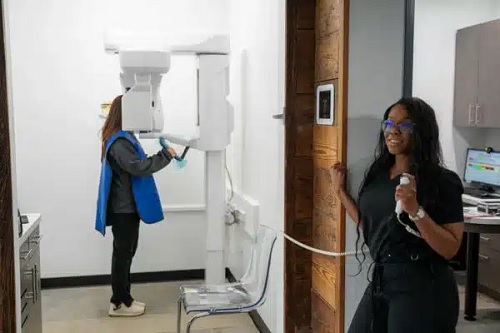
How Can I Protect My Dental Implants Long-Term?
After the healing phase, caring for your implants becomes similar to caring for natural teeth — but with added attention to detail.
Maintain Excellent Oral Hygiene
- Brush twice daily with a soft toothbrush
- Floss daily using implant-safe floss or interdental brushes
- Consider a water flosser for better cleaning around the implant
Avoid Harmful Habits
- Do not smoke, as it increases implant failure risk
- Avoid chewing ice or hard objects
- Wear a nightguard if you grind your teeth
By following these steps, your dental implants spring branch can remain stable and functional for many years.
When Should I Call My Dentist?
While minor discomfort is normal, contact your dental provider if you notice:
- Persistent or worsening pain
- Excessive bleeding
- Signs of infection (pus, fever, severe swelling)
- A loose implant
Early intervention prevents more serious complications.
Trust Your Implant Care to Experienced Professionals
Proper aftercare is the key to protecting your new smile. By maintaining excellent hygiene, attending follow-up visits, and scheduling routine dental cleanings spring branch, you significantly increase the longevity of your implants.