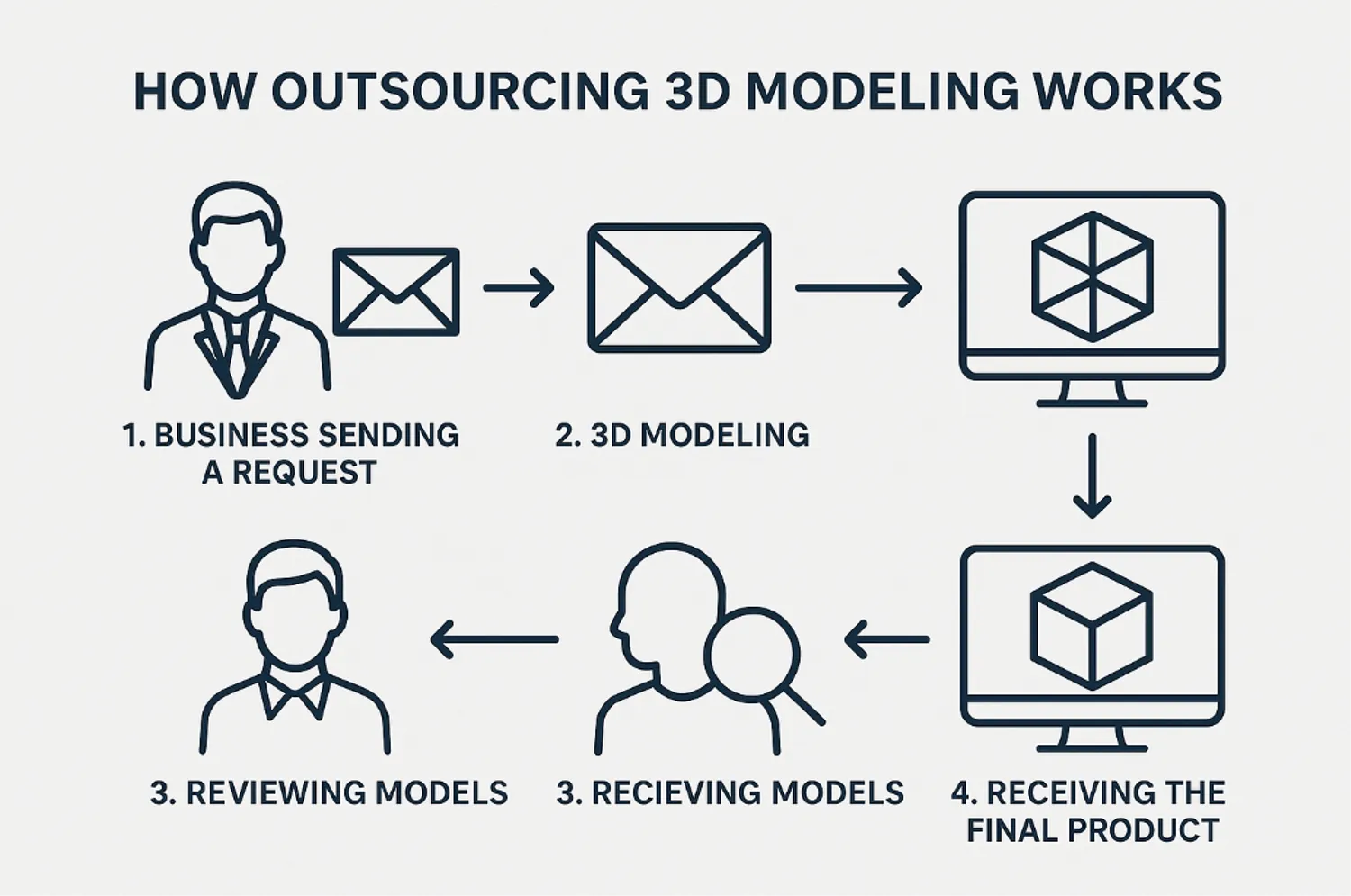
Many companies face a common challenge: creating high-quality 3D models without maintaining an in-house team. The decision to outsource 3D modeling can save money and time, but finding the right partner requires careful consideration. From architectural visualization to product design, the right partner brings both technical expertise and business understanding to the table.
Understanding the Benefits of Outsourcing
Businesses that outsource 3D modeling often discover advantages beyond cost savings. External partners bring specialized expertise and access to advanced software without the overhead of training and equipment. They can scale operations up or down based on project demands, providing flexibility that in-house teams rarely match.
Most external partners work with multiple clients across different industries. This broad experience means they've likely solved similar challenges before and can apply proven solutions to new projects. Their specialized focus often leads to faster turnaround times and higher quality results.
Cost Considerations
Working with external partners eliminates expenses like software licenses, hardware upgrades, and ongoing training. Companies pay only for completed work rather than maintaining full-time staff during slow periods. This flexibility helps manage budgets more effectively, especially for businesses with varying workloads throughout the year.
The cost structure becomes more predictable with outsourcing. Instead of dealing with unexpected equipment failures or software upgrades, companies can plan their spending based on project needs. This predictability helps with better financial planning and resource allocation.
Quality and Expertise
Professional 3D modeling services focus solely on their craft. They stay current with industry trends and technical advances, often surpassing the capabilities of general-purpose design teams. Their specialized knowledge often results in better optimization of models, faster rendering times, and higher-quality final products.
These specialists typically work across multiple industries, bringing fresh perspectives and innovative solutions to each project. Their broad experience helps them anticipate and prevent common problems before they arise.
Selecting the Right Partner
Portfolio Review
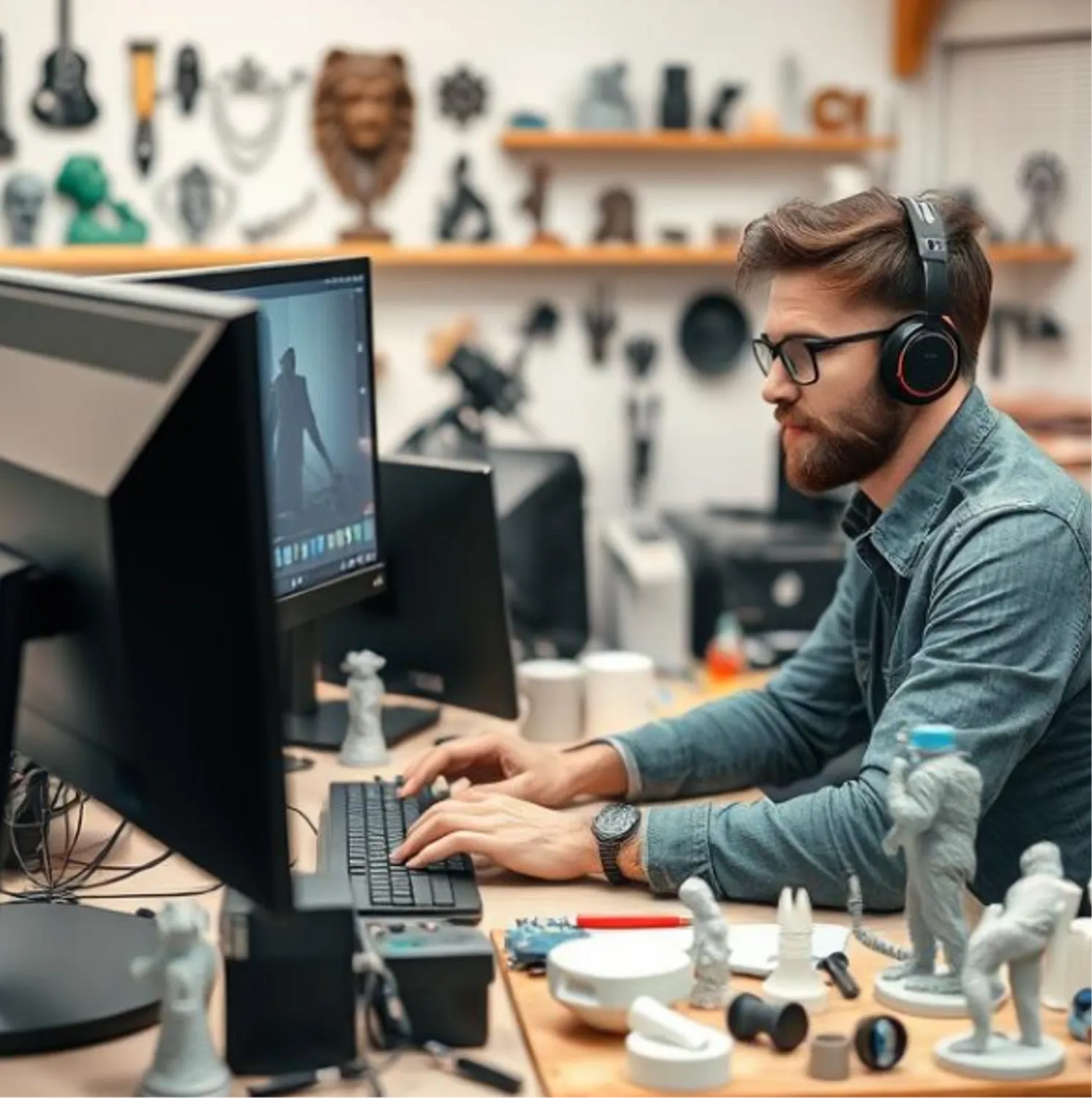
Look at previous work samples carefully. Strong partners show range and technical skill across different types of projects. Their portfolio should include work similar to planned projects. Pay special attention to the technical complexity and detail level in their previous work.
The quality of their portfolio should demonstrate consistent excellence across various project types. Look for partners who can explain their technical decisions and show how they've solved complex modeling challenges.
Technical Capabilities
Quality providers can handle various file formats and modeling software. They should explain their quality control process and how they ensure models meet technical specifications.
Consider asking potential partners about:
- Software compatibility and file formats
- Quality assurance procedures
- Project management approach
- Communication methods
- Revision policies
Communication and Workflow
Setting Clear Expectations
Success depends on clear communication from the start. Good partners ask detailed questions about project requirements, timelines, and technical specifications. They should provide regular updates and maintain open lines of communication throughout the project.
Creating detailed project briefs helps prevent misunderstandings and ensures everyone works toward the same goals. The best partners take time to understand not just technical requirements but also business objectives behind each project.
Project Management
The best outsource 3D modeling services use professional project management tools. They provide regular updates and respond promptly to questions or concerns. Their workflow should be transparent, allowing clients to track progress and provide feedback at key stages.
Regular check-ins and progress reports help keep projects on track. Look for partners who proactively communicate potential issues and propose solutions before problems escalate.
Protecting Intellectual Property
Legal Protection
Written agreements should cover confidentiality and ownership rights. Professional partners willingly sign NDAs and provide clear terms about model ownership. These agreements should clearly state who owns the final models and any associated files.
Consider having legal experts review agreements before signing. This helps protect intellectual property and ensures all parties understand their rights and obligations.
Data Security
Strong partners maintain secure file transfer systems and follow data protection best practices. Look for providers who take security seriously and can explain their protective measures:
- Secure file transfer methods
- Data backup procedures
- Access control systems
- Confidentiality protocols
Making the Partnership Work
Regular Reviews
Schedule periodic reviews of completed work. This helps maintain quality and ensures the partnership meets business needs over time. These reviews should cover both technical quality and business objectives.
Good partners welcome feedback and use it to improve their services. They should be willing to adjust their processes based on project requirements and client preferences.
Building Trust
The best partnerships develop through consistent delivery and open communication. Starting with smaller projects allows both parties to learn each other's work styles and expectations. As trust builds, the relationship can expand to handle larger, more complex projects.
Long-term Considerations
Scalability
Choose partners who can grow with the business. They should handle increased workload without sacrificing quality or missing deadlines. This might mean having access to additional resources during busy periods while maintaining consistent quality standards.
Good partners plan for growth and have systems in place to handle larger workloads. They should explain how they manage increased demand without compromising on quality or timelines.
Technology Updates
Quality partners invest in new technology and training. They should explain how they stay current with industry developments and incorporate new capabilities into their services. This ongoing investment helps ensure access to the latest tools and techniques without direct cost to clients.
Moving Forward
The decision to outsource 3D modeling affects many aspects of business operations. Taking time to find the right partner pays off through better results and smoother workflows. Professional partners bring valuable expertise while reducing operational complexity.
When managed well, external 3D modeling services become trusted allies rather than just vendors. They contribute to business success through technical excellence and reliable delivery. This makes them valuable assets for companies looking to improve their modeling capabilities without building internal teams.
The key lies in choosing partners who understand both technical requirements and business objectives. With the right partnership, companies can focus on their core business while knowing their 3D modeling needs are in capable hands.