Introduction
Imagine bringing the captivating beauty and diversity of coral reefs into your living space – this is the allure of reef aquariums. These intricate aquatic landscapes offer a window into the mesmerizing world beneath the waves, allowing enthusiasts to create and nurture their own underwater ecosystems. In this exploration of reef aquariums, we delve into the art of constructing these intricate microcosms, the essential components that sustain them, and the joys they bring to hobbyists and nature enthusiasts alike.
Crafting a Miniature Coral Paradise
Building a thriving reef aquarium requires meticulous planning and a deep understanding of marine ecosystems. From selecting the right tank size to establishing the foundation and introducing a variety of marine life, each step is vital in creating a harmonious underwater haven.
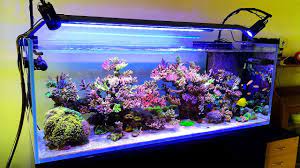
Elements that Bring Life to Reef Aquariums
1. Filtration Mastery: Effective filtration is the backbone of a healthy reef environment. Incorporating mechanical, biological, and chemical filtration processes ensures that water remains clear and nutrient levels are controlled.
2. The Art of Illumination: Proper lighting is paramount for the success of reef aquariums. It not only enhances the aesthetic appeal but also provides the energy necessary for the growth of corals and other photosynthetic organisms.
3. Substrates and Sanctuaries: Live rock and sand serve as more than just decorations; they provide essential hiding places for marine life and contribute to the biological filtration of the tank.
4. Diversity in Denizens: The selection of inhabitants is crucial to replicating the complex web of life found in natural coral reefs. A mix of corals and fish introduces vibrant colors, dynamic movement, and a sense of natural balance.
Nurturing the Underwater Symphony
The journey of maintaining a reef aquarium requires dedication and continuous care to ensure its thriving vitality.
1. The Dance of Water Parameters: Regular monitoring and adjustment of water parameters, including temperature, salinity, pH, and nutrient levels, are pivotal in creating a stable and conducive environment.
2. Culinary Excellence: Providing the right nutrition is essential for the well-being of the coral and fish residents. Corals depend on photosynthesis, and supplementing their diet may be necessary. Fish also require a balanced and varied diet.
3. Pruning and Polishing: Routine maintenance, including equipment checks, water changes, and cleaning, safeguards against the accumulation of harmful substances and promotes a healthy ecosystem.
4. Ethical Guardianship: Responsible choices, such as supporting sustainable sourcing and proper care of marine life, play a crucial role in the conservation of natural reefs and aquatic habitats.
Conclusion
Reef aquariums are not just containers of water; they are living tapestries that unravel the mysteries of the underwater world. By nurturing these microcosms, enthusiasts develop a profound connection with marine life, fostering an appreciation for the delicate balance of ecosystems. As we tend to these underwater sanctuaries, we're reminded of the fragility of our oceans and the need for environmental stewardship. Whether you're a beginner or a seasoned aquarist, the journey of cultivating a reef aquarium is a voyage of wonder, learning, and responsibility. Each glance at the intricate, thriving life within the glass walls is a testament to our ability to bring the ocean's beauty closer to home, while also inspiring a commitment to safeguarding its magnificence for future generations.