The Heart of Your Garage Door
Your garage door is a complex system of interconnected parts, but at its core are the springs. These coiled powerhouses are under immense tension, responsible for lifting and lowering your heavy garage door with ease. When they break, it's a serious issue that requires immediate attention.
Signs of a Broken Garage Door Spring
A broken garage door spring is no joke. It’s like a car without an engine; it’s not going anywhere. Here are some common signs:
- Loud noises: If you hear a loud bang or pop coming from your garage door, it's a strong indication of a broken spring.
- Uneven lifting: One side of the door lifting higher than the other is a telltale sign of a spring issue.
- Door won't open or close: This is the most obvious sign, but it's important to note that a door that won't open or close completely might not always be a spring problem.
- Overly tight or loose cables: If the cables connected to the springs are unusually tight or loose, it's a red flag.
The Dangers of DIY Spring Replacement
Garage door spring replacement is a highly dangerous task. These springs are under extreme tension, and if they snap while you're working on them, they can cause serious injury or even death. It's like trying to disarm a bomb without training—it's simply not worth the risk.
Hiring a Professional Garage Door Technician
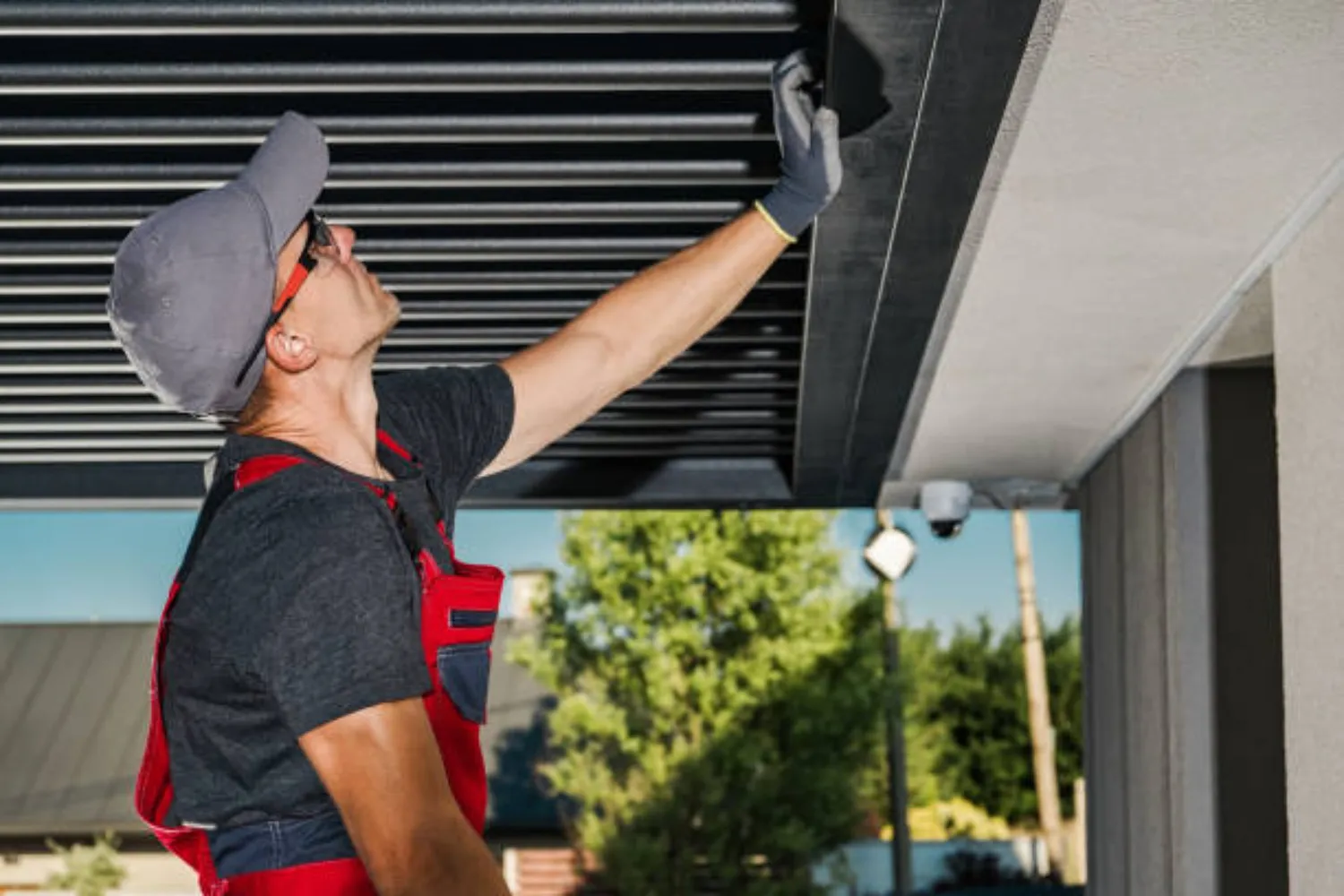
When your garage door spring breaks, the safest and most efficient course of action is to call a professional garage door technician. These experts have the necessary tools, equipment, and experience to handle the job safely.
A qualified technician will:
- Assess the damage: They'll determine the extent of the damage and recommend the best course of action.
- Replace the springs: They'll safely remove the broken spring and install a new one.
- Check for other issues: While they're there, they'll inspect the rest of your garage door system for any potential problems.
- Provide maintenance tips: They can offer advice on how to prevent future issues and extend the life of your garage door.
Types of Garage Door Springs
There are two main types of garage door springs: torsion springs and extension springs. Torsion springs are located above the garage door, while extension springs are attached to the sides of the door. Each type requires specific expertise to replace.
Preventive Maintenance
Regular garage door maintenance can help prevent spring breakage and other issues. This includes:
- Lubricating moving parts: Keep hinges, rollers, and tracks well-lubricated.
- Inspecting springs and cables: Regularly check for signs of wear and tear.
- Testing safety sensors: Ensure they're working properly.
- Balancing the door: A properly balanced door puts less stress on the springs.
By following these tips, you can extend the life of your garage door and avoid costly repairs.
Remember, your garage door is a crucial part of your home's security and convenience. Don't take chances with DIY repairs.Let a professional handle the job and ensure your peace of mind.