When diving into the world of electric vehicles and machinery, one critical component you'll often encounter is the motor speed controller. A motor speed controller plays a pivotal role in regulating the speed and performance of electric motors, making it an essential piece of technology for various applications. In this blog post, we'll explore the key features and benefits of motor speed controllers, providing you with valuable insights and practical tips to help you better understand this crucial device.
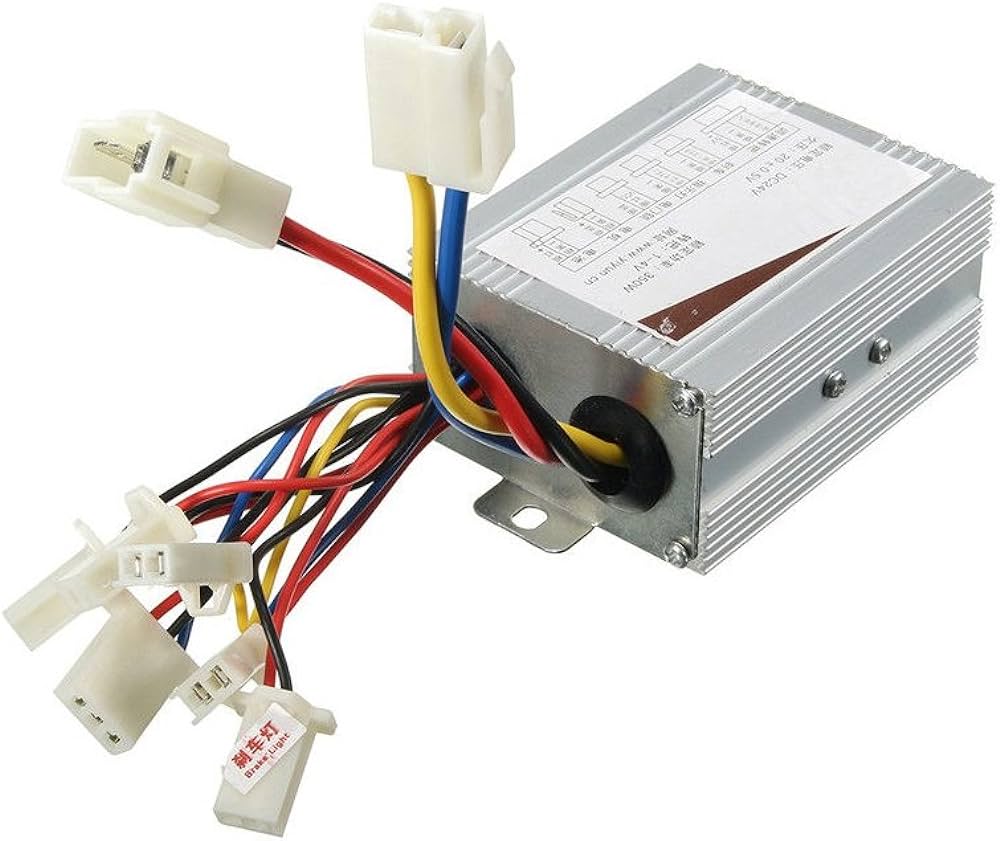
What is a Motor Speed Controller?
A motor speed controller is an electronic device that regulates the speed and torque of an electric motor. It works by adjusting the power supplied to the motor, enabling precise control over its operation. These controllers are used in a wide range of applications, from electric bicycles and scooters to industrial machinery and robotics.
Key Features of Motor Speed Controllers
1. Speed Regulation
One of the primary features of a motor speed controller is its ability to regulate the speed of the motor. This is achieved by varying the voltage or current supplied to the motor. Speed regulation allows for smooth acceleration and deceleration, which is essential for applications that require precise control.
2. Torque Control
Motor speed controllers also offer torque control, which is the ability to adjust the force that the motor produces. This is particularly important for applications that require consistent torque levels, such as conveyor belts and robotic arms.
3. Efficiency
Modern motor speed controllers are designed to be highly efficient, minimizing energy loss during operation. This efficiency not only saves energy but also reduces heat generation, which can extend the lifespan of both the controller and the motor.
4. Programmability
Many motor speed controllers come with programmable features, allowing users to customize settings such as speed limits, acceleration rates, and braking methods. This programmability provides flexibility and adaptability for various applications.
5. Protection Features
To ensure the longevity and safety of the motor and the controller, many motor speed controllers include protection features such as overcurrent protection, thermal shutdown, and short-circuit protection. These features prevent damage due to excessive load or electrical faults.
Benefits of Using Motor Speed Controllers
1. Enhanced Performance
By providing precise control over motor speed and torque, motor speed controllers enhance the overall performance of the system. This results in smoother operation, better handling, and improved efficiency.
2. Energy Savings
Efficient motor speed controllers can significantly reduce energy consumption. By optimizing the power supply to the motor, these controllers help lower operational costs and contribute to a more sustainable use of energy.
3. Increased Lifespan
The ability to regulate speed and torque reduces the wear and tear on the motor. Additionally, the protection features of motor speed controllers help prevent damage, thereby extending the lifespan of both the motor and the controller.
4. Versatility
Motor speed controllers are versatile and can be used in a wide range of applications, from simple fan control to complex robotic systems. Their programmability and adaptability make them suitable for various industries, including automotive, industrial automation, and consumer electronics
5. Improved Safety
The protection features of motor speed controllers enhance safety by preventing electrical faults and mechanical failures. This is especially important in applications where consistent and reliable motor operation is critical.
Practical Tips for Choosing a Motor Speed Controller
1. Determine Your Requirements
Before selecting a motor speed controller, determine the specific requirements of your application. Consider factors such as the type of motor, desired speed range, torque requirements, and environmental conditions.
2. Check Compatibility
Ensure that the motor speed controller is compatible with your motor and power supply. Pay attention to voltage, current ratings, and connection types to avoid compatibility issues.
3. Look for Quality and Reliability
Choose a motor speed controller from a reputable manufacturer known for quality and reliability. Reading reviews and seeking recommendations can help you make an informed decision.
4. Consider Programmability
If your application requires customized settings, opt for a programmable motor speed controller. This will allow you to tailor the controller's performance to your specific needs.
5. Evaluate Protection Features
Ensure that the motor speed controller includes adequate protection features to safeguard against potential faults and prolong the lifespan of the system.
Understanding motor speed controllers is essential for anyone involved in the operation or maintenance of electric motors. These devices offer numerous benefits, including enhanced performance, energy savings, and increased safety. By considering the key features and following practical tips for selection, you can choose the right motor speed controller to meet your needs and ensure the optimal performance of your electric motor system.