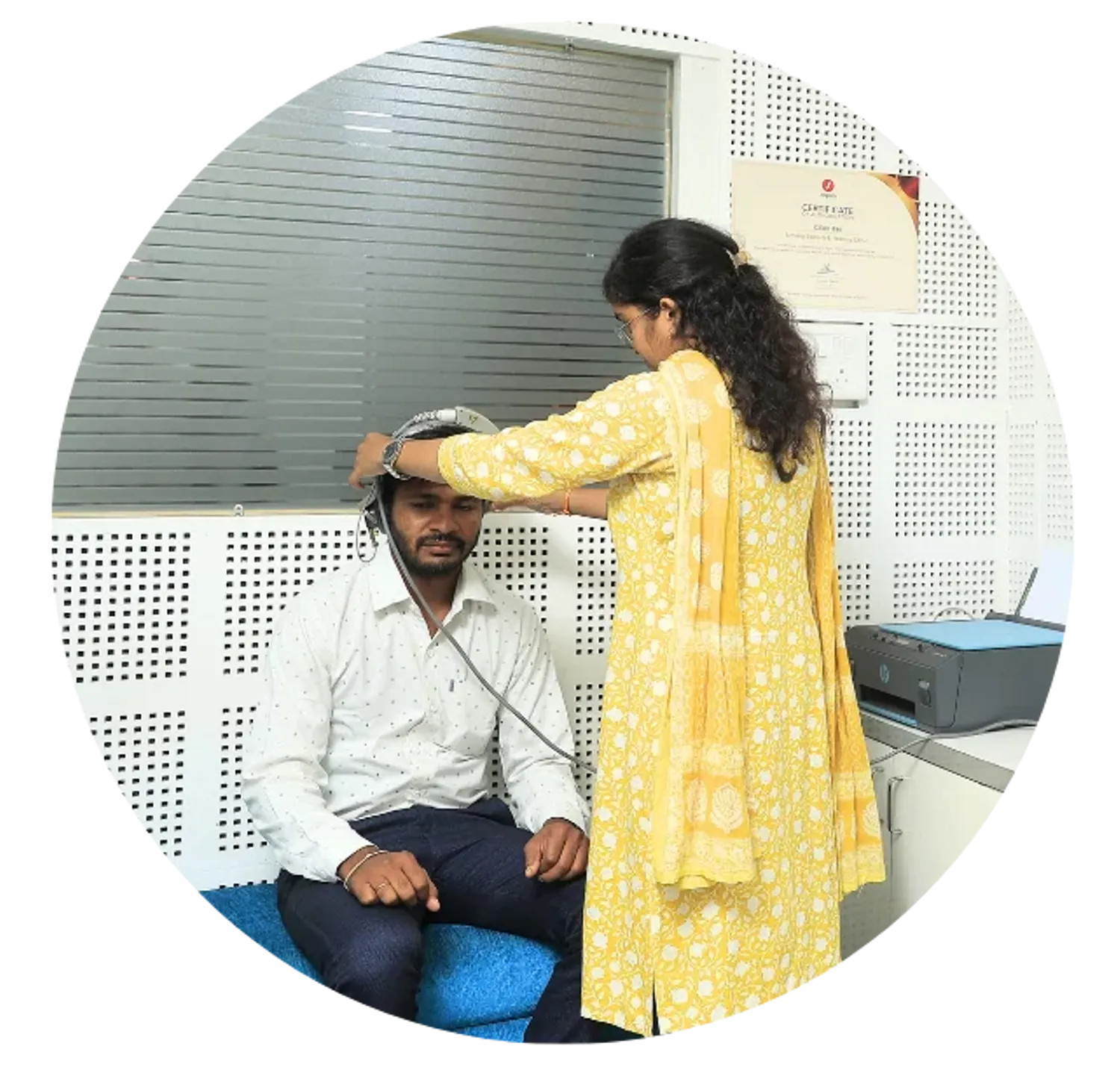
Getting fitted for a hearing aid feels like the finish line. After months — sometimes years — of turned-up televisions, missed conversations, and nodding along at family dinners, there's finally a solution in place. But here's the thing most people aren't told clearly enough at the time of fitting: the device is just the beginning.
For seniors especially, ongoing care from a hearing aid expert isn't optional maintenance. It's what determines whether that hearing aid actually improves quality of life — or ends up in a drawer after three months.
The First Three Months Are Critical
Right after fitting, the brain is doing something genuinely remarkable — it's relearning how to process sound. Sounds that have been absent or muffled for years suddenly return, and not always comfortably. Voices may sound tinny. Background noise can feel overwhelming. Certain environments may feel disorienting in a way the wearer didn't expect.
This adjustment period is normal, but it needs to be managed. Most audiologists recommend at least two to three follow-up visits in the first 90 days — typically at the two-week mark, the six-week mark, and then at three months. Each visit allows for fine-tuning the device's programming based on real-world feedback from the wearer.
Skipping these early appointments is one of the most common reasons seniors abandon their hearing aids. The device wasn't the problem — the lack of follow-up was.
After the Initial Period: What's a Realistic Schedule?
Once the hearing aid is well-fitted and the wearer has adjusted, the visits become less frequent — but they don't stop. A reasonable maintenance schedule for most seniors looks like this:
Every 6 months — routine check-up, cleaning, and a quick hearing reassessment to see if the prescription still matches the current level of hearing loss. Hearing doesn't stay static, particularly in older adults, and a device programmed for last year's hearing may already be underperforming.
Once a year at minimum — a full audiological evaluation. This gives the expert a proper baseline to track changes and adjust the device accordingly before the wearer even notices a problem.
As needed — any time something feels off. Feedback whistling, reduced sound quality, discomfort, or difficulty in environments that used to be manageable are all reasons to come in without waiting for the next scheduled visit.
Why Seniors in Particular Shouldn't Skip Check-Ups
Age-related hearing loss — presbycusis — is progressive. It doesn't plateau the way some other conditions do. A hearing aid fitted at 68 may need meaningful reprogramming by 72, not because the device has failed, but because the hearing has continued to change.
Beyond the audiological side, seniors are also more likely to experience physical changes that affect the fit of the device itself. Weight changes, changes in ear canal shape, or skin sensitivity can all affect comfort and performance over time. A physical check of the earmold or dome is something only an in-person visit can properly address.
There's also the cognitive dimension. Research increasingly links untreated or poorly managed hearing loss in seniors to faster cognitive decline. Staying on top of hearing aid performance isn't just about hearing — it's about staying mentally sharp and socially engaged.
Finding the Right Expert for the Long Term
This is where continuity of care genuinely matters. A senior who sees the same hearing aid expert in Bhopal consistently builds a relationship where the expert knows their history, their lifestyle, their communication needs, and how their hearing has evolved over time. That context is invaluable — it's the difference between a device that's adjusted to a chart and one that's adjusted to a person.
When choosing where to go for long-term care, look for a clinic that offers a structured follow-up programme rather than treating each visit as a standalone appointment. Ask whether they keep detailed audiological records across visits. Ask how they handle urgent concerns between scheduled check-ins.
The best hearing aid expert in Bhopal for a senior isn't necessarily the one with the most devices on display — it's the one who's still invested in the outcome a year after the fitting.
A Simple Rule to Remember
If the hearing aid is working perfectly, visit every six months. If something has changed — in hearing, in comfort, or in lifestyle — visit sooner. And if a senior hasn't had a check-up in over a year, that alone is reason enough to book one today.
Hearing aids are precision instruments. They work best when the person behind them — the expert, not just the device — stays involved.
Is it time for your loved one's next hearing aid check-up? A visit to an experienced hearing aid expert can make a bigger difference than you'd expect.