Dental implants are among the best long-term strategies to use in the absence of teeth. They reestablish functionality, beauty and confidence that cannot be achieved with removable dentures. To UK patients, the price of dental implants in Turkey has made available to them a treatment that was previously out of reach to many.
In this article, the authors take readers through the dental implants process, what patients should expect when undergoing the process in Turkey, and the long-term clinical advantages of the process of selecting implant treatment.
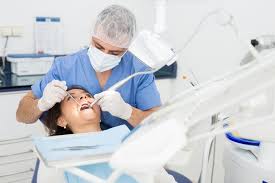
What Are Dental Implants
A dental implant is a titanium screw, which is surgically implanted into the jawbone. It is used to imitate a tooth root. After the implant fuses with the surrounding bone in a process known as osseointegration, a crown is attached to the top to mimic the look and functionality of a natural tooth.
Implants are regarded as the gold standard in replacing teeth. They maintain the density of jawbone, non-influential of adjacent teeth and can last for decades with proper care.
Why UK Patients Choose Implants in Turkey
Dental implants in Turkey are the primary driver for UK patients making the journey. The price difference between the two countries is significant. In the UK, a single implant, including crown placement, can exceed 2,500 GBP at many private practices. In Turkey, the same procedure is available at a fraction of that cost.
Beyond cost, Turkish clinics in destinations such as Antalya have built substantial expertise in implant dentistry. Each year, dental clinics in Turkey receive large numbers of international patients and their staff deal with internationally recognised implant systems such as Straumann, Nobel Biocare, and BioHorizons.
UK patients benefit from:
- Significantly reduced treatment costs
- Access to premium implant brands at lower price points
- Modern facilities with digital planning tools
- Experienced implant teams familiar with international patient needs
- English-language support throughout the process
The Implant Procedure Step by Step
Initial Consultation
The virtual consultation is the first step. Patients give out X-rays or dental records. The clinic drafts an elaborate treatment plan with the type of implant system to be used, the number of implants to be used and the cost estimate.
Clinical Assessment on Arrival
On arrival in Turkey, the clinical team conducts a 3D CBCT scan to assess bone density, nerve position, and jaw anatomy. This imaging allows the team to plan implant placement with precision.
Implant Placement
The titanium implant is inserted with the use of local anaesthesia. The actual procedure is usually comfortable. The majority of the patients complain of little pain during and post placement.
Healing and Osseointegration
The process of Osseointegration occurs in weeks or months. During this time, the implant fuses with the jawbone. In the case of patients who take a one-trip treatment, temporary crowns or restorations are placed to keep them functioning and looking good.
Crown Placement
When the presence of the osseointegration is established, the permanent crown is fixed. Digital impression technology is used at clinics to obtain a perfect fit and a natural look.
Cost Overview for UK Patients
The prices of dental implants in Turkey will depend on the type of implant brand, whether bone grafting is needed or not, and the kind of crown and prosthetic.
Approximate cost ranges:
- Single implant with standard brand: 450 to 600 GBP
- Single implant with premium brand: 700 to 900 GBP
- Implant with bone graft: 800 to 1,200 GBP
- Full arch implant solution: 4,000 to 7,000 GBP
The long-term clinical and lifestyle benefits enjoyed by patients who have implants as opposed to other forms of tooth replacement are varied.
Long-Term Benefits of Dental Implants
Implants maintain the bone structure. The resorption of the jawbone starts to take place when a tooth is lost. An implant includes the stimulation of the bone and helps to retain its density, which underpins the facial structure.
Implants preserve bone structure. When a tooth is lost, the surrounding jawbone begins to resorb over time. An implant stimulates the bone and maintains its density, supporting facial structure.
They function identically to natural teeth. Patients eat, speak, and smile without restriction. There are no adhesives, no removable components, and no dietary limitations.
Longevity is a key advantage. Implants may last up to twenty years or longer with proper oral care and frequent dental check-ups. This renders the first investment economical in the long run.
Suitability for Implants
The majority of healthy adults can be considered good candidates for implants. Some factors need to be evaluated. Among them are bone density, gum disease history, smoking and systemic health issues like uncontrolled diabetes.
A comprehensive clinical evaluation in the consultation stage reveals any aspect that needs to be addressed before the placement of the implants. Read our latest guide on dental treatment in Turkey to get a comprehensive idea about dental clinics.
These evaluations are carried out in Turkish clinics with powerful implant sections.
Frequently Asked Questions
How long does the full implant process take when travelling to Turkey?
The first surgical stage of a patient who needs one implant usually lasts one to two days. Before the placement of the crown, there is a two to four-month healing period. A large proportion of patients do this in two visits or opt to have immediate loading where appropriate.
Are Turkish implant brands the same as those used in the UK
A large number of Turkish clinics employ the internationally recognised implant systems that are used in the UK and Europe. Brands commonly used are Straumann, Nobel Biocare, Osstem and BioHorizons. Patients gain when they enquire of the clinic which system they would recommend and why.
What care is needed after implant treatment
Implants need the same oral health care as natural teeth. Implant health is maintained by the use of brushing twice a day, interdental cleaning and regular dental reviews. Dentists in the UK are able to perform regular check-ups and cleaning of patients once they are at home.
Can implants fail, and what happens if they do
With certified practitioners and proper aftercare, implant failure is unlikely. Registered clinics also share their success rates and provide the measures in case of a complication. Reviewing the warranty and aftercare policy of the clinic helps the patients to commit to treatment.