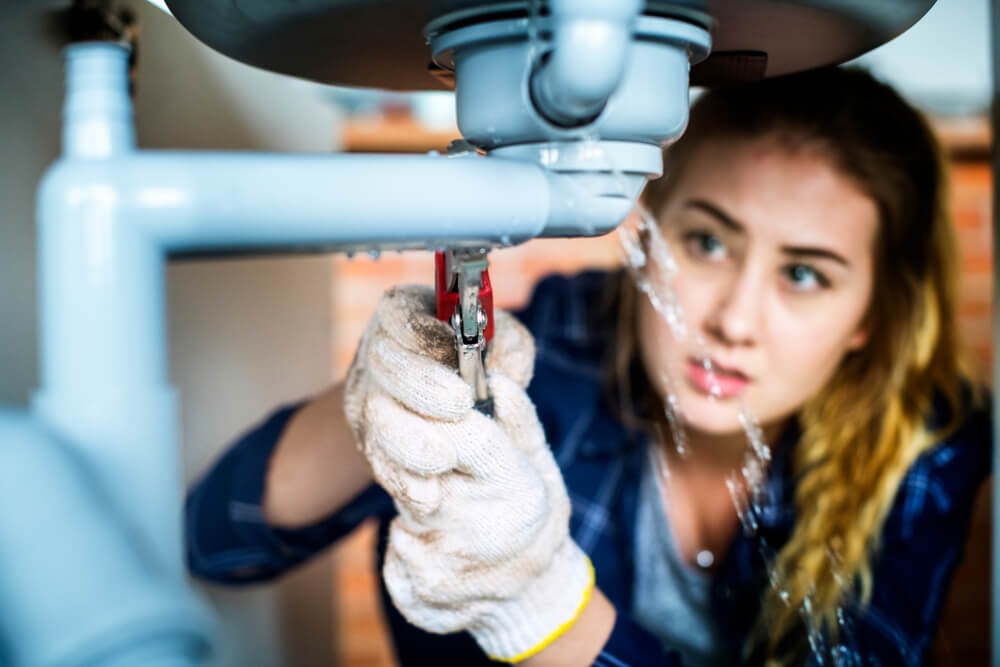
As a new homeowner, it’s important to learn about your home’s plumbing system. This complex network includes pipes that deliver clean water and drain away waste.
Understanding how these components work together can help you handle maintenance and avoid major problems, like leaks or clogs. These tips can also help you choose the best materials for your plumbing upgrade or remodel projects.
Know Your Main Water Shut-Off Valve
When a plumbing emergency arises, the ability to shut off water flow immediately is an invaluable skill. Whether due to a burst pipe or major leak, closing this valve can significantly reduce the damage and potential costs associated with the problem.
Knowing where your home’s main water shut-off valve is located and familiarizing yourself with how it operates is an essential first step for any new homeowner. Check the basement and crawl space of your home for a valve near where the water line enters your property. This location is usually close to the water meter, although it may be outside or inside the house in an access pit.
If you cannot locate the main shut off valve, check for one near your water heater or outside in a box (an access pit). Many plumbing configurations also include individual shut-off valves for fixtures like toilets and sinks, which allow you to address localized issues without disrupting water supply to the entire household.
Schedule Regular Inspections and Maintenance
A plumbing system is vital to a home’s functionality. It brings in fresh water for washing and drinking, distributes it throughout the house to appliances like dishwashers and washing machines, and carries away waste water safely. A well maintained plumbing system can reduce the risk of leaks and other problems, but this requires routine inspections and maintenance.
Preventative maintenance can help extend the lifespan of pipes, fixtures, and appliances, saving homeowners money on repairs and replacements. It also ensures that plumbing systems work efficiently, reducing water waste and lowering utility bills.
It’s important for new homeowners to know how to spot warning signs that it’s time to call a plumber. Fluctuating water pressure, unusual noises from pipes, and changes in the color or smell of tap water are common indications that a problem exists. Using software to track maintenance can make it easier to keep up with routine plumbing inspections and other maintenance tasks. ServiceChannel’s maintenance management tool allows you to easily record and view inspection data.
Know the Location of Your Septic System
More than one in five households rely on on-site wastewater treatment systems to manage sewage waste from bathroom drains, kitchen drains and laundry drains. These systems, commonly called septic systems or cesspools, use a combination of natural and technological processes to treat and disperse the water. Most septic systems have a design life of 20-30 years if they are constructed, sited and maintained correctly.
Symptoms of a failing system can include water and sewage backing up into toilets, bathtubs and showers. Other signs include standing water and/or damp areas near the septic tank and drain field, gurgling noises from bathroom drains and unidentified plant growth in the yard.
A failing septic system also risks contamination of groundwater, which can affect drinking water and shellfish beds. Protect your family and the environment by scheduling regular septic tank pumpings and inspections. Avoid flushing anything other than septic-safe toilet paper and cooking oil down the drain and limiting water usage to prevent overtaxing the system.
Know the Location of Your Water Heater
The location of your water heater can have a major impact on your plumbing system. It should be located in a spot where it’s easy to access so that you can make repairs when needed. Water leaks aren’t always easy to detect, but they can lead to expensive damage and hefty bills. If you don’t know where your water heater is located, you might miss a vital repair opportunity.
A tank style water heater should be placed close to the incoming cold water line, and it should also be situated in a sheltered area to avoid direct exposure to sunlight or rain. This will minimize the length of piping that needs to be run, and it’ll also help keep your water heater running efficiently. Water heaters that are hard to reach are more likely to break down or require costly repairs. Talk with a plumber about your specific installation requirements to make sure that your new home’s water heater meets all local building regulations. Sites like https://www.fixitrightplumbing.com.au/plumber-geelong/ have great guidelines and options for experienced plumbing professionals.