Contaminated sites pose significant environmental, health, and economic risks, making effective remediation a priority for governments, industries, and communities alike. These sites, often the result of industrial activity, improper waste disposal, or accidental spills, require meticulous planning and execution to restore them to safe, usable conditions. Left untreated, contaminants can seep into soil and groundwater, harming ecosystems and threatening public health. As urban areas expand and land use intensifies, remediating these sites becomes increasingly important for sustainable development. Addressing contamination also ensures compliance with environmental regulations and reduces liability for landowners and developers. Successful remediation involves a combination of assessment, planning, and the application of appropriate technologies tailored to the site’s specific conditions. In recent years, advancements in cleanup methods and environmental science have significantly improved the outcomes and efficiency of these processes.

Understanding Site Contamination: The Root Causes
Site contamination can arise from a multitude of sources, including historical industrial operations, chemical storage, landfill leakage, and fuel spills. In some cases, even residential properties may face contamination due to pesticide use or nearby industrial emissions. The most common pollutants include hydrocarbons, heavy metals, solvents, and persistent organic pollutants. Understanding the source and type of contamination is essential for selecting the right cleanup method. A thorough site investigation typically involves soil sampling, groundwater monitoring, and risk assessments to determine the extent and impact of the pollution.
Site Characterization: Laying the Groundwork
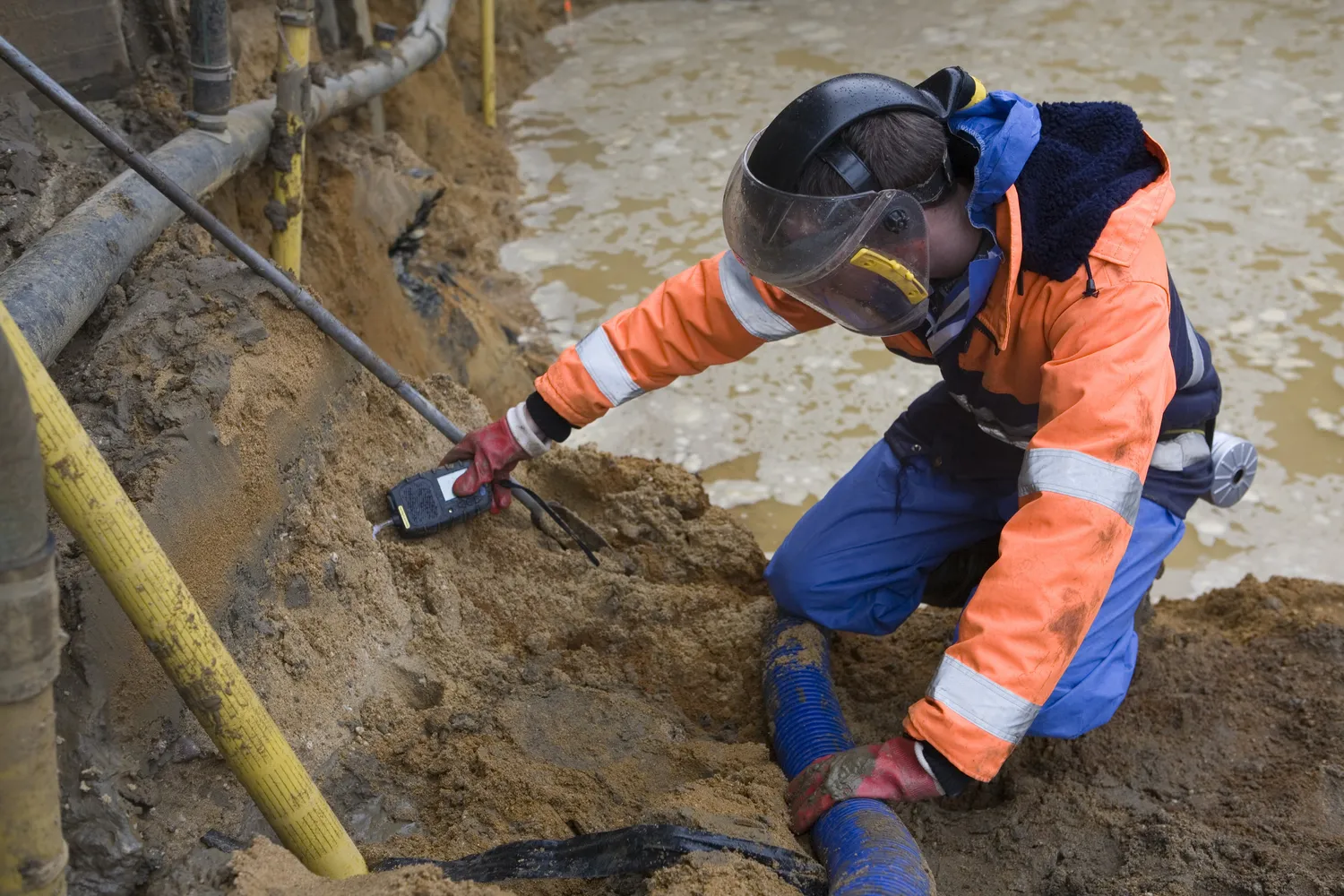
Before any cleanup begins, a comprehensive site assessment is necessary. This process involves identifying the types of contaminants, their concentrations, and their migration patterns through soil and water. Geophysical surveys, drilling, and laboratory analyses are often used to generate a detailed contamination profile. This characterization not only guides the choice of remediation strategy but also helps predict how long the cleanup will take and what level of risk remains. A well-conducted assessment prevents unnecessary interventions and ensures resources are directed effectively. Visit here to know more.
Choosing the Right Remediation Technique
Selecting an appropriate remediation technique depends on factors such as contaminant type, site geography, intended future land use, and budget constraints. Common in-situ methods include bioremediation, which uses microbes to break down pollutants, and soil vapor extraction, which removes volatile contaminants from the subsurface. Ex-situ options involve excavating contaminated soil for treatment off-site or on-site through processes like soil washing or thermal desorption. In some instances, containment through barriers or capping may be more feasible when complete removal isn't practical. The ideal solution often combines multiple approaches to maximize efficiency and minimize environmental impact.
Innovations Driving Effective Cleanup
Emerging technologies continue to enhance the effectiveness and affordability of site remediation. Techniques such as phytoremediation—using plants to absorb or break down pollutants—offer sustainable and low-impact solutions. Nano remediation, which employs engineered nanoparticles, shows promise in accelerating the breakdown of stubborn contaminants. Remote sensing tools and real-time monitoring technologies allow for more precise tracking of contamination spread and remediation progress. These innovations are not only improving cleanup rates but also reducing the overall carbon footprint of remediation activities.

Managing Health and Environmental Risks
Throughout the remediation process, minimizing risks to human health and the environment remains paramount. Dust control, air quality monitoring, and secure waste handling are critical to preventing secondary contamination. For sites located near populated areas, engaging the community and maintaining transparency about risks and progress can foster trust and support. Risk management plans, including emergency response procedures, must be in place to address unforeseen issues that may arise during cleanup operations.
Regulatory Compliance and Long-Term Monitoring
Environmental remediation is subject to stringent regulations that vary by region but typically involve guidelines for cleanup standards, waste disposal, and reporting. Adhering to these rules ensures that cleanup efforts meet legal and safety benchmarks. After active remediation concludes, long-term monitoring may be required to confirm that contaminants remain at safe levels. This stage includes periodic soil and groundwater testing and, in some cases, the use of institutional controls to limit land use and exposure. Effective long-term oversight prevents future liability and ensures the ongoing safety of the site.
Sustainable Land Restoration: Beyond Cleanup
Remediation is just one part of the journey to restoring contaminated sites. Once cleaned, these lands offer valuable opportunities for redevelopment, conservation, or community use. Integrating green infrastructure and sustainable design into post-cleanup plans can transform previously hazardous areas into thriving public spaces, residential developments, or natural habitats. Ultimately, effective site remediation is not just about removing pollutants—it's about reclaiming land for future generations.