Graphic design that emphasizes simplicity and clarity is known as minimalism. It entails using a select few components, like colors, shapes, and typography, to effectively convey a message. The 1960s art movement, which aimed to reduce art in order to create a universal language that everybody could comprehend, gave rise to the idea of minimalism in design. Today, minimalism is extensively employed in graphic design as it is thought to be a successful method for presenting information in a clear and concise manner. In this essay, we examine the effectiveness and advantages of minimalism in graphic design.
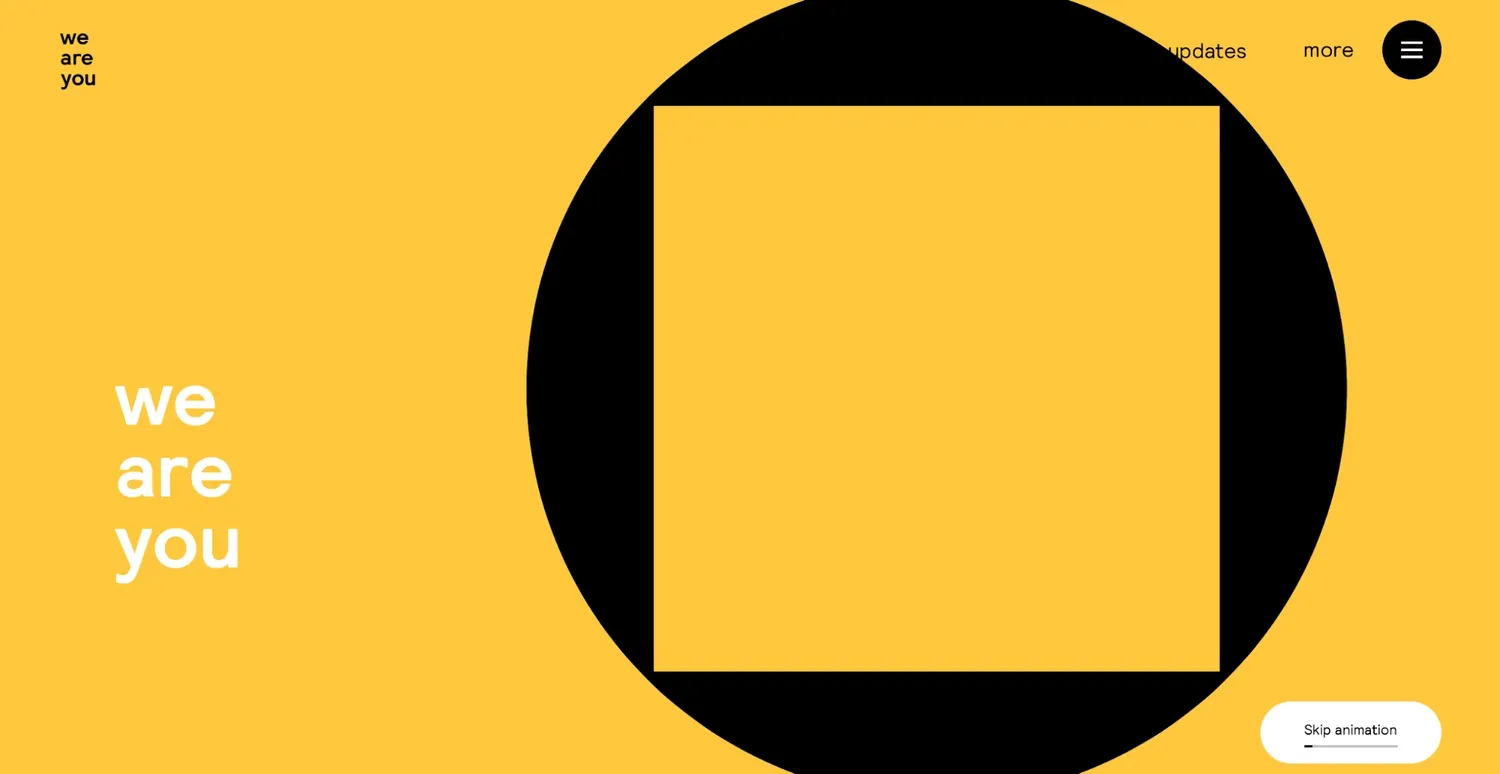
The History of Minimalism in Design and Art
The 1960s saw the emergence of minimalism, an artistic style that aimed to simplify art by utilizing only straightforward shapes, hues, and materials. The trend began as a reaction to Abstract Expressionism's dominance, which was viewed as extravagant and indulgent. For the purpose of creating work that is both universal and objective, minimalists like Donald Judd, Dan Flavin, and Sol LeWitt concentrated on the purity of form and the removal of excess. The concepts of minimalism quickly migrated to other industries, particularly graphic design, where they have established themselves as a fundamental strategy for visual communication.
Minimalism in Graphic Design: Its Advantages
Numerous advantages of minimalism in graphic design services make it a well-liked and successful method of visual communication. A design can become more aesthetically pleasing and simpler to comprehend by simplifying certain design aspects. Additionally more adaptable and versatile, minimalist designs are more powerful in a variety of circumstances. As basic designs are frequently easier to recall, they may also be more memorable. Additionally, because they frequently make a strong statement through the use of bold text and negative space, minimalist designs can evoke a feeling of elegance and sophistication.
Recognizing the Essential Components of Minimalist Design
Knowing the main components of a minimalist design is crucial to producing a great piece. These include minimalism, the use of white space, a restrained color scheme, and strong typography. At its essence, minimalist design is about keeping things simple and distilling components to their bare minimum. Negative space is also essential because it gives the design a sense of harmony and balance. A limited color scheme makes the design simpler and more unified, while bold writing emphasizes the message being conveyed. These components combine to make a simple, refined, and successful design.
Making Use of Negative Space to Produce Strong Designs
A crucial part of minimalist design is negative space, which is the area surrounding and in between design features. Effective use of negative space allows designers to produce strong, memorable designs. Within the design, negative space can produce contrast, balance, and harmony. In order to give an additional degree of interest and intrigue, it can also generate hidden forms or messages within the pattern. Because it gives the eye a chance to rest and concentrate on the key components of the design, negative space can also help designs stand out and become more identifiable.
Typography Simplified for Maximum Impact
Any design must have typography, which in minimalist design is kept as simple as possible to maximize effect. The straightforward and readable sans-serif typefaces are frequently used in minimalist typography. The font size and weight are carefully selected to provide a hierarchy of information and highlight the most important design components. Additionally, negative space is used to give the font a sense of harmony and balance. In order to create a clean, attractive, and impactful design, designers can communicate a message more clearly and effectively by reducing font.
Modern Color Schemes
An aesthetic that is harmonious and coherent is achieved by carefully selecting minimalist color palettes. To get a clean and uncluttered appearance, a limited color palette is necessary. Typically, minimalist designs combine one or two accent colors with neutral shades like black, white, and gray. The accent colors are selectively used to highlight important design components. Making a functional and aesthetically pleasing minimalist design requires careful color selection. The appropriate color combination can convey a message, evoke feelings, and increase the design's memorability.
Guidelines for Using Minimalism in Logo Design
The use of minimalism in logo design is advantageous since it enables a straightforward and obvious portrayal of a business. The simplicity and core components of the brand should be the emphasis of designers when implementing minimalism in logo design. To establish a powerful and identifiable brand identity, the logo should make use of a restricted color scheme and straightforward typography. A design that uses negative space can also be powerful, eye-catching, and memorable. Designers may produce a versatile, adaptive, and powerful logo that expresses the company message by stripping the logo down to its fundamental components.
Web Design Minimalism: Improving User Experience
The use of minimalism in web design can improve user experience by resulting in a simple, straightforward interface. The main components of the website, such as the content, are the focus of minimalist web design, which eliminates anything extraneous. This strategy can increase the speed at which the website loads while also producing a more aesthetically pleasing design. Negative space, a small color palette, and straightforward typography are all techniques used in minimalist web design to produce a unified appearance. Minimalist web design can improve the overall user experience by putting the user first and producing a simpler, more intuitive layout.
Conclusion
A effective visual communication strategy that emphasizes simplicity and essential components is minimalism in graphic design services. Designers may produce compelling, aesthetically pleasing, memorable, and effective designs by utilizing negative space, constrained color palettes, and reduced typography. Numerous design disciplines, such as print design, web design, and logo design, can benefit from the use of minimalism. Improved user experience, versatility, adaptability, and memorability are all advantages of minimalism. Overall, minimalism in graphic design is necessary for producing neat, attractive, and functional designs that clearly and succinctly convey the intended message.