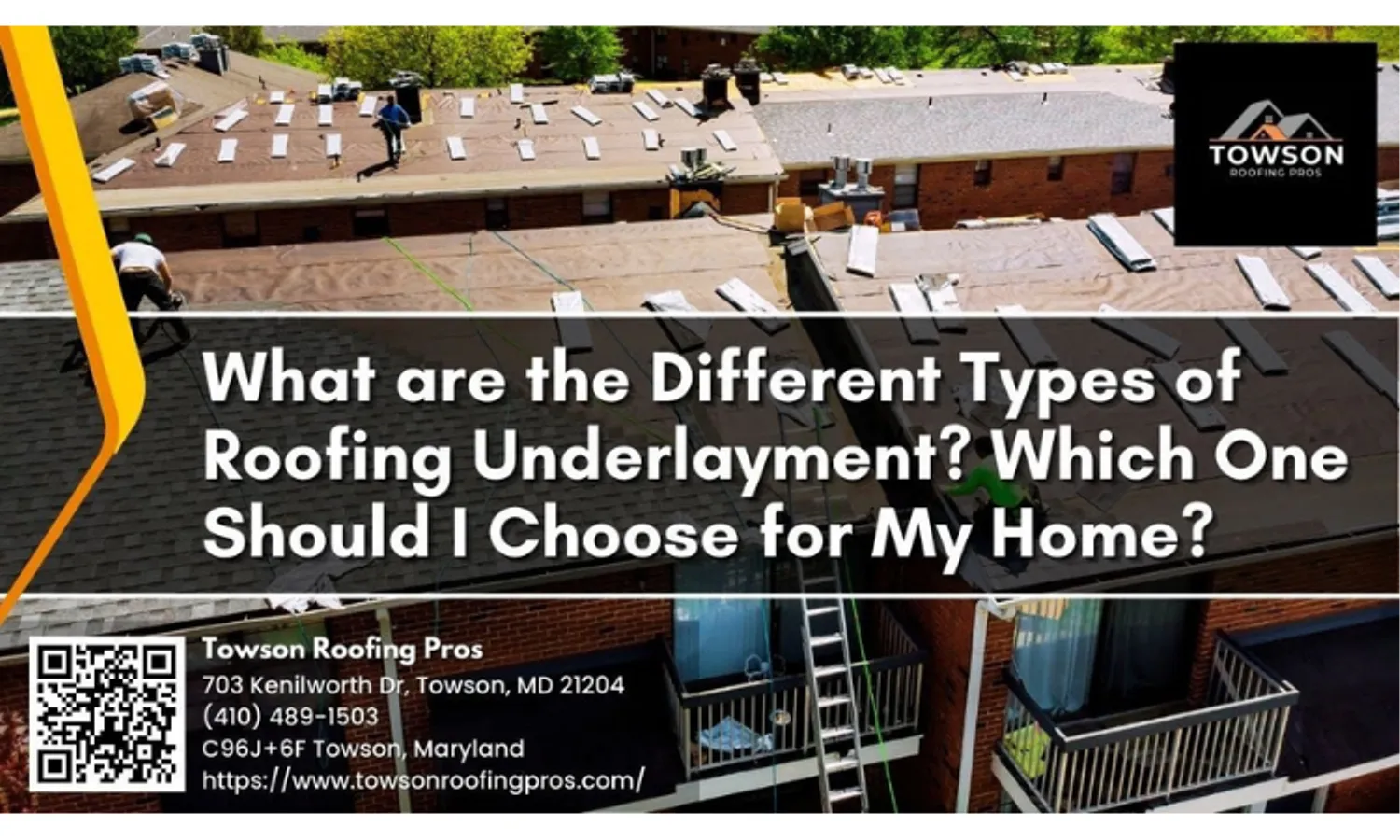
When it comes to choosing the right roofing underlayment, there are a few different types to consider. Here is a breakdown of the four most popular types of underlayment:
a. Asphalt-Saturated Felt
This type of underlayment has been used for decades and is still a popular option today. It's made from thick, heavy paper that is saturated with asphalt to make it water-resistant. It's a budget-friendly option, but keep in mind that it can tear easily during installation, especially in windy conditions.
b. Synthetic Underlayment
This newer type of underlayment is made from a variety of materials, including polypropylene, polyester, and nylon. It's lightweight, durable, and less likely to tear during installation. It's also more resistant to water and UV rays than asphalt-saturated felt. However, synthetic underlayment is typically more expensive than felt.
c. Rubberized Asphalt Products
These underlayments are made of a special mixture of asphalt and synthetic rubber. The result is a highly durable and waterproof underlayment that can withstand extreme temperatures and weather conditions. Rubberized asphalt products are the most expensive option, but they offer the best protection for your home.
d. Ice and Water Shield
This type of underlayment is designed to protect against ice damming, which can cause significant damage to roofs. It's highly adhesive and self-sealing, ensuring a watertight seal even in the harshest weather conditions.
If you're looking for a low-cost option that gets the job done, felt may be the way to go. If you want something more durable and weather-resistant, a synthetic underlayment or rubberized asphalt product could be a better fit. Consult with a roofing professional to determine the best option for your specific situation.
How to Choose the Best Roofing Underlayment for Your Home
When it comes to choosing the best roofing underlayment for your home, there are a few things you need to keep in mind. Here are some tips to help you pick the most suitable one:
- Consider the climate in your area. If you live in a rainy or snowy region, you'll want an underlayment that is highly water-resistant.
- Look for underlayment that has a high-quality membrane. This will help to keep moisture out of your home and prevent mold and mildew from growing.
- Check the weight and thickness of the underlayment. You'll want something that is durable and can withstand heavy foot traffic during installation.
- Think about the type of roofing material you have. Some underlayment is designed specifically for shingles, while others may work better with metal or tile roofs.
- Look for underlayment that has a good traction rating. This will make it easier to walk on during installation and maintenance.
- Consider the warranty. Make sure you choose a product that has a solid guarantee in case of any issues down the line.
By keeping these factors in mind, you can feel confident in your choice of roofing underlayment and know that your home is protected from the elements for years to come.
Tips on Installing and Maintaining Your New Roofing Underlayment
Installing and maintaining your new underlayment is essential. Here are some tips to ensure that your roofing remains strong and resilient over time:
• When installing your roofing underlayment, it’s important to ensure that there are no wrinkles, folds or bubbles. These can cause issues with proper water shedding and create a more vulnerable roof.
• Use an approved underlayment fastener to secure the underlayment to the roof.
• The underlayment should be installed...Read more
Social Link:
Website: https://www.towsonroofingpros.com/
Youtube: https://youtube.com/@towsonroofingpros
Facebook: https://www.facebook.com/towsonroofing/
Twitter: https://twitter.com/towsonroofing
Instagram: https://www.instagram.com/towsonroofingpros/
LinkedIn: https://www.linkedin.com/company/towsonroofingpros/
Blogger: https://blog.towsonroofingpros.com/ | https://towsonroofing.blogspot.com/