The thought of walking through snow-clad valleys, lush green meadows, and rugged mountain trails is enough to inspire anyone to plan a trek in the Himalayas. For beginners, however, this dream often comes with uncertainty, excitement, and countless questions. Trekking in the Himalayas is not just a physical journey but also an emotional and spiritual experience. It demands preparation, patience, and the right mindset to make it safe and rewarding. If you are preparing for your first Himalayan trek, there are some essential things you should know before taking that first step into the mountains.
Understanding the Challenges of Himalayan Treks
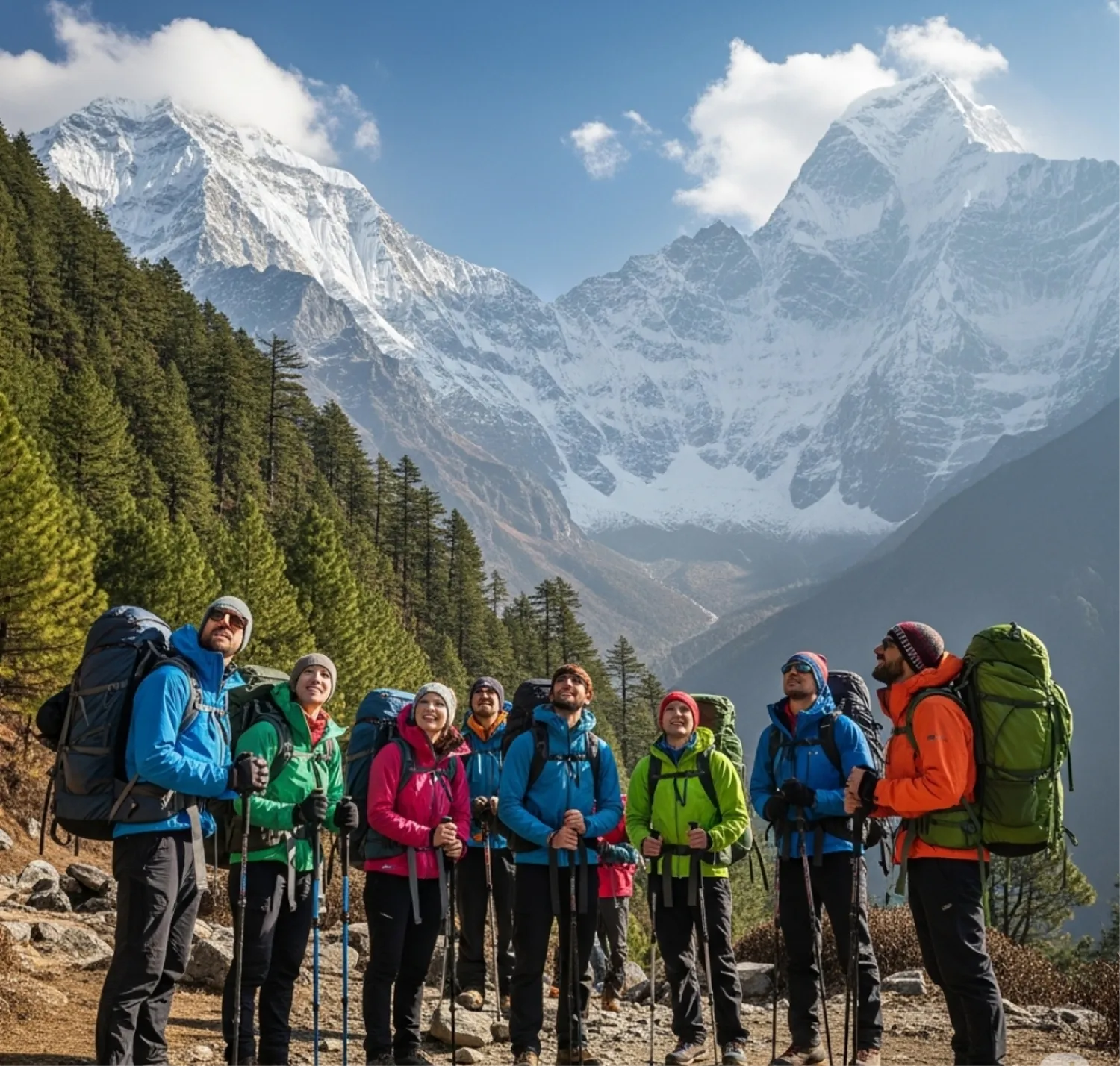
Importance of Physical Fitness
Many people underestimate the physical demands of a Himalayan trek. Cardio workouts, strength training, and building stamina are crucial in the months leading up to the journey. A basic level of fitness can make the trek enjoyable instead of exhausting. Walking or jogging daily, climbing stairs, and doing core-strength exercises are excellent ways to prepare. Even if you are not aiming to run a marathon, being fit enough to walk for hours each day with a backpack is vital. Beginners often find this preparation to be the difference between completing the trek with joy and struggling with every step.
Acclimatization and Altitude Awareness
One of the most common challenges in the Himalayas is altitude sickness. As you climb higher, oxygen levels drop, and the body requires time to adjust. Beginners should never ignore acclimatization. It is important to give the body rest days and follow the itinerary designed by experts rather than rushing to the summit. Symptoms like headaches, nausea, or dizziness should never be dismissed. Staying hydrated, eating well, and listening to the body can prevent serious health issues during the trek.
Choosing the Right Trek
Not all Himalayan treks are meant for beginners. Some require technical climbing, while others are long and strenuous. As a beginner, selecting a trek that matches your fitness level and comfort zone is critical. Treks like Kedarkantha, Dayara Bugyal, and Kuari Pass are often recommended for first-timers because they offer manageable routes while showcasing the grandeur of the Himalayas. Starting with such trails builds confidence and experience, preparing you for more challenging expeditions in the future.
Packing Essentials for a Safe Trek
A Himalayan trek is not the place to carry unnecessary weight, but it is also not the place to leave behind essentials. Beginners should invest in a good pair of trekking shoes, warm clothing, and layered outfits to adapt to changing weather. A sturdy backpack, water bottles, personal medications, and energy snacks are also must-haves. Packing light yet smart ensures comfort while walking long distances. Many first-timers make the mistake of carrying too much or too little, which can hinder the overall experience.
The Role of Mental Preparation
While physical fitness is important, mental strength plays an equally vital role. There will be moments of fatigue, cold, and self-doubt, but keeping a positive mindset helps in overcoming challenges. Beginners should be ready to embrace discomfort and focus on the beauty around them rather than the difficulty of the path. A Himalayan trek is as much about mental resilience as it is about physical strength.
Respecting the Environment
One of the most important lessons beginners must carry is respect for nature. The Himalayas are pristine, and preserving them is the responsibility of every trekker. Avoid littering, use eco-friendly products, and stick to designated trails to minimize environmental impact. Responsible trekking ensures that future generations can also experience the untouched beauty of these mountains.
Learning from Experienced Trekkers
Beginners can benefit greatly from learning the experiences of seasoned trekkers. Listening to stories, tips, and challenges faced by others can help in better planning. Joining a group with an experienced trek leader provides guidance and builds confidence, especially on difficult trails. Surrounding yourself with knowledgeable people during the trek can make the journey safer and more enjoyable.
The Joy Beyond the Effort
Despite the difficulties, the rewards of a Himalayan trek are unmatched. Standing before towering peaks, watching the sunrise over snow-clad mountains, and walking through serene forests create memories that last a lifetime. The effort, the sweat, and the occasional struggle all become part of a story you will cherish forever. For beginners, this sense of achievement is worth every step.
Final Thoughts
For anyone attempting their first Himalayan trek, preparation is the key to a safe and fulfilling journey. From physical training to mental readiness, from choosing the right trek to respecting the environment, every detail matters. The Himalayas are more than just mountains; they are a teacher that tests, humbles, and rewards those who step onto their trails. If you plan wisely and keep an open heart, your first trek can be the beginning of a lifelong love for the mountains. For many adventurers, organisations like Trekup India have become trusted companions in helping beginners take that very first step into the world of Himalayan trekking.