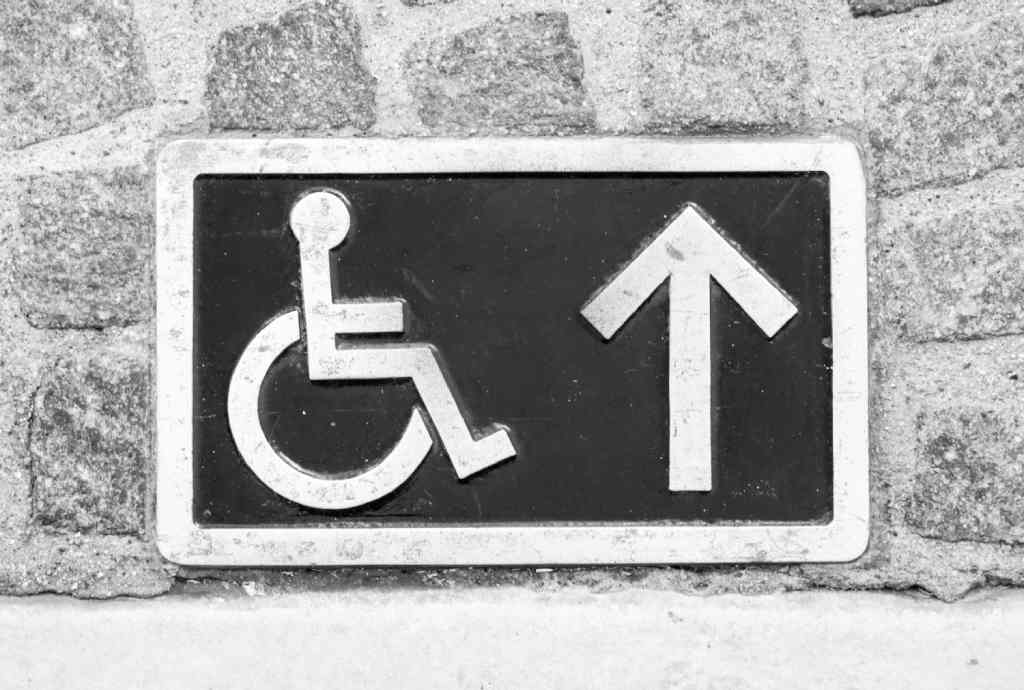
Creating an inclusive and accessible environment is essential for every modern business. One of the most effective ways to enhance accessibility is by installing Accessibility Signs that follow ADA guidelines. These signs help individuals with visual or physical impairments navigate your space safely and independently. While they are a legal requirement, they also reflect your commitment to creating a welcoming experience for all.
In this blog, we will explore why accessibility signage matters, the benefits of customizing them, key design principles, and how these signs can elevate your business environment without sacrificing style.
Why Accessibility Signs Are Essential
Every customer who walks through your doors deserves to feel supported and valued. Whether you manage a store, office, school, healthcare facility, or restaurant, Accessibility Signs make navigation easier and more intuitive for everyone, including people with disabilities.
Accessibility signage ensures compliance with ADA regulations and prevents potential penalties or legal challenges. Beyond compliance, these signs improve safety, enhance customer trust, and demonstrate your business’s dedication to inclusivity. Custom versions allow you to match brand colors, design aesthetics, and materials while still meeting all accessibility requirements.
Key Features of Accessibility Signs
To properly support individuals with impairments, Accessibility Signs must meet specific ADA standards. These features ensure clarity, readability, and usability:
1. Tactile Characters
Raised letters and braille help visually impaired individuals read signs through touch. The size, spacing, and font must follow ADA rules.
2. High Contrast
The text and background must have strong contrast to ensure visibility. For example, dark text on a light background or light text on a dark background is required.
3. Non Glare Finish
A matte finish prevents glare from lighting, making the sign readable in all environments.
4. Correct Placement
ADA guidelines specify where signs should be installed, generally beside doors at a specific height for easy access.
Benefits of Choosing Custom Accessibility Signs
While pre made signs are available, custom options offer significant benefits:
Enhances Brand Identity
Custom accessibility signage can include your brand’s colors, fonts, and design features, creating a cohesive environment throughout your facility.
Improves Professional Appearance
High quality signage gives your business a polished, organized, and professional look.
Ensures Legal Compliance
Professionally designed signs meet all ADA requirements while allowing creative flexibility.
Boosts Customer Trust
Customers appreciate when a business prioritizes accessibility, making them feel valued and welcome.
Types of Accessibility Signs for Businesses
Different areas of your facility may require different types of signage. Common examples include:
Room Identification Signs
Used to label restrooms, office rooms, break rooms, storage areas, and more.
Directional Signs
These help guide visitors to key locations such as elevators, exits, lobbies, and reception areas.
Restroom Signs
Restroom accessibility signage must be clear, tactile, and easy to understand.
Safety and Emergency Signs
These include fire exits, stairways, emergency equipment, and evacuation guidance.
Parking and Exterior Accessibility Signs
Accessible parking and entrance indicators help individuals with mobility challenges reach your building easily.
Design Tips for Effective Accessibility Signage
To ensure your signs are both functional and visually appealing, consider these design recommendations:
1. Use High Contrast Colors
The contrast must meet ADA standards while complementing your brand identity.
2. Choose Durable Materials
Acrylic, metal, photopolymer, and laminate are long lasting and suitable for commercial spaces.
3. Include Accurate Braille
Proper Grade 2 braille must be used with precise spacing and placement.
4. Maintain Visual Consistency
A consistent signage style enhances navigation and strengthens brand recognition.
5. Balance Creativity with Compliance
While personalization is encouraged, ADA requirements must always come first.
Why Work with a Professional Sign Company
Creating compliant and branded accessibility signage requires expertise. Working with a professional signage provider ensures your signs meet ADA standards, maintain durability, and align with your brand identity. A trusted company like Total SignWorks can design, manufacture, and install high quality Accessibility Signs that elevate both functionality and aesthetics.
Conclusion
Investing in Accessibility Signs is a meaningful step toward making your business more inclusive, safe, and welcoming. From helping visitors navigate your space to ensuring legal compliance, these signs play a vital role in shaping customer experience. With the right design, materials, and professional support, your accessibility signage can enhance both practicality and visual appeal.