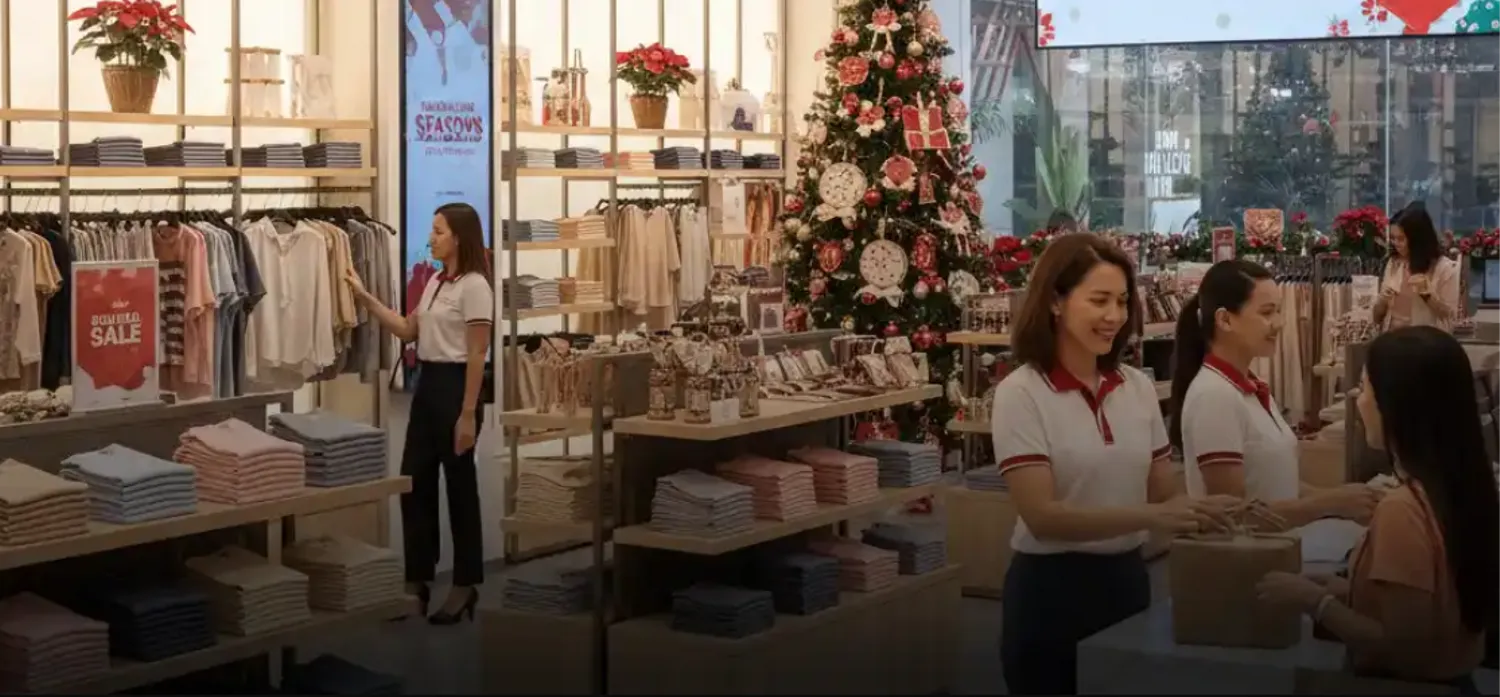
Think about the last time you browsed online. You probably went through a familiar flow: you discover a product, get interested, browse details, check out, and—if the experience was great—you return and become loyal. Now here’s the exciting part: that same marketing funnel doesn’t only exist online. It also happens inside your physical store—yes, from the moment a customer sees your entrance to the second they walk out with a bag in hand.
This is exactly where a smart retail layout strategy comes in. The goal? Guide shoppers through a physical customer journey that mirrors the funnel: Discovery → Engagement → Conversion → Loyalty.
When the floor is intentionally designed to support the funnel, you’re not just arranging shelves—you’re shaping buying behavior.
Let’s walk through each stage and how your layout can bring it to life.
Stage 1: Discovery (Attract & Invite In)
First impressions are your store’s elevator pitch.
Before customers touch a product, pricing, or promo, they react to what they see and how it makes them feel. Your entrance is your storefront handshake—it needs to be warm, inviting, and memorable.
Key Layout Decisions That Matter:
Lighting that highlights, not hides
Well-placed accent lights create contrast and drama—especially for new collections and seasonal displays.
Window displays or front-facing racks to stop passersby
Think of your window display as your billboard. If it doesn't tell a story, spark curiosity, or make someone pause, it’s wasted real estate.
Clear signage and logical pathway planning
Directional cues (even subtle ones like flooring patterns or angled racks) gently nudge customers to move deeper inside.
Your goal in this stage is simple: Turn walkers into visitors, and visitors into interested browsers.
Stage 2: Engagement (Encourage Browsing & Exploration)
Once inside, your layout should encourage customers to linger—and the longer they stay, the more likely they are to buy.
Smart grouping helps shoppers connect more emotionally with products rather than seeing them as isolated items on shelves.
- Group by use, need, or season — “Gift Ideas,” “Back-to-Work Essentials,” or “Limited Editions.”
- Cross-merchandising — The shirt next to the bag, next to the necklace, next to the “this goes well with…” suggestion.
- Interactive zones — Demo tables, sampling booths, holiday-themed corners, or styled mannequins.
When customers are participating rather than just passing through, your store becomes more than a place to buy—it becomes a place to explore.
Stage 3: Conversion (Make Checkout Easy & Inviting)
Nothing ruins a good shopping mood faster than a chaotic checkout.
Conversion is where your layout either rewards the journey—or cancels the sale altogether.
Checkout counters placed with purpose
Not too hidden that customers ask where it is, not too front-and-center that it clogs the entrance.
Impulse-buy opportunities
Small accessories, seasonal fillers, limited-time treats—these are the retail equivalent of “add to cart.”
Clear queue paths & visible staff
People feel more confident when they see where to line up and who’s helping them.
The smoother the payment process feels, the more seamless the connection is between excitement and purchase.
Stage 4: Loyalty (Post-purchase Experience & Store Memory)
Your customer may have checked out—but their journey isn’t over.
The moments after the transaction matter just as much as the ones before it.
A packaging or gift
Wrapping area makes customers feel taken care of.
An intuitive exit layout
Prevents crowding and frustration.
A layout that welcomes return visits
A “New Arrivals” shelf positioned near the exit or a membership booth that customers see before leaving.
A thoughtful exit layout says: “We can’t wait to see you again.”
And customers remember that feeling.
Conclusion
When you design your store with the customer journey in mind—not just product placement—you transform shopping into a story. From the spark of discovery to the warm glow of post-purchase satisfaction, layout becomes your silent salesperson.
A well-planned retail layout enhances:
- Sales performance
- Customer satisfaction
- Brand perception
- Repeat visits and referrals
If you’re gearing up for the high-traffic BER season and want layouts that maximize conversion and delight shoppers from the first step inside, there’s so much more you can unlock.