When it comes to industrial fluid control systems, ball valves with actuators play a crucial role in ensuring precision, safety, and efficiency. Whether used in oil and gas, water treatment, or chemical processing, these valves are engineered to regulate flow with accuracy. However, selecting the right one can be challenging without understanding the technical and operational aspects. If you’re planning to buy ball valves in Saudi Arabia, here are the key factors you should carefully consider to make the right investment.
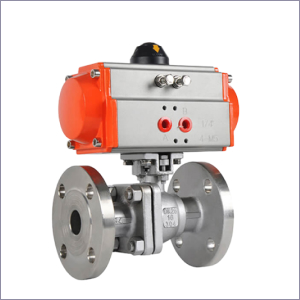
1. Material of Construction
The first factor to evaluate is the material used in the valve’s construction. Since Saudi Arabia experiences high temperatures and operates across diverse industries, the valve material must be corrosion-resistant and durable. Stainless steel ball valves are preferred for their excellent performance in harsh environments, while carbon steel and brass valves are used for general applications. The material should be compatible with the media—be it water, gas, or oil—to prevent wear and leakage over time.
2. Type of Actuator
Actuators are what make automated flow control possible. You can choose between electric, pneumatic, or hydraulic actuators depending on your system requirements. Electric actuators are ideal for applications requiring precision and remote operation, while pneumatic ones are suitable for fast response systems. Hydraulic actuators, on the other hand, provide powerful torque for high-pressure applications. When choosing a ball valve with actuator, ensure the actuator matches the valve’s torque requirements and operational speed.
3. Pressure and Temperature Ratings
Each ball valve comes with specific pressure and temperature ratings that determine how it performs under stress. For industrial use in Saudi Arabia, where systems often handle extreme conditions, selecting a valve with adequate pressure handling capacity is critical. Always check the pressure class (PN or ANSI) and the temperature range on the valve’s datasheet. This ensures optimal performance without compromising safety or causing premature failure.
4. Valve Size and Port Design
The size and port design of the ball valve influence flow efficiency and control. Full port (full bore) valves allow unrestricted flow, making them suitable for systems where pressure drop must be minimized. Reduced port (standard bore) valves, however, are more economical and ideal for general-purpose use. Selecting the right size ensures smooth operation and avoids energy loss or system inefficiencies.
5. Application and Media Compatibility
Understanding your application is vital. A valve that performs well in a water system may not be suitable for oil or chemical applications. Ensure that both the valve and actuator materials are compatible with the fluid being transported. This prevents corrosion, clogging, and operational issues that could affect the system’s lifespan.
6. Maintenance and Longevity
Look for ball valves that offer easy maintenance and reliable sealing. Valves with replaceable seats and seals simplify upkeep and reduce downtime. Choosing a trusted ball valve supplier in Saudi Arabia like Al Zerwa Trading ensures access to premium-quality products that meet industry standards and provide long-term reliability.
Conclusion
Investing in the right ball valve with actuator is essential for maintaining safe, efficient, and consistent fluid control in industrial systems. By evaluating material quality, actuator type, pressure rating, and application compatibility, you can ensure that your valve delivers top performance under Saudi Arabia’s demanding industrial conditions. For robust and durable ball valves in Saudi Arabia, always choose suppliers known for technical expertise and proven product reliability.