So you just adopted a Rescue dog.
Congratulations! You've given an animal in need your heart and your home. If you don't choose a puppy, it's likely that the people at the rescue won't know much about your new furry friend's past. Without that history, it can be hard to train a dog from a shelter. However, there are a few tips and tricks that can make it easier for an adult dog to adjust to his new home.
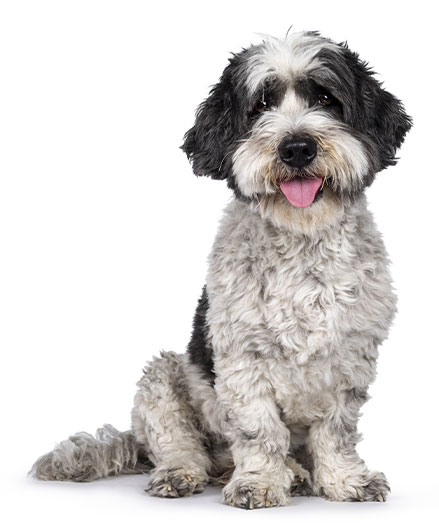
If you get an older dog from a rescue group or animal shelter instead of a puppy, you probably won't have to train it to go to the bathroom outside or, in some cases, even to sleep in a crate.
Here are the six best training tips for your dog:
1. Always keep in mind that training a dog is an investment
If you have enough experience, it's great to train on your own. But it's even better to train with a dog trainer in a group. Rescue Dog Training classes will help your dog make friends quickly and teach you and your dog how to work together. It will also be a fun way for you and your dog to get closer. If your partner, siblings, or parents live nearby, ask them if they want to join.
When training, consistency is very important, and it's best if as many people as possible know how to talk to your dog in the right way.
2. Bring snacks
Bring treats you know your dog will enjoy. You can make your own or let your dog choose from the training treats in the treat aisle of a pet store. The treats from the dog trainer might not be good for your dog's stomach, or your dog might not like them.
If your trainer tells you not to feed your dog before class, a handful of its food will also work. Positive reinforcement for good behavior will be the best thing while training your new rescue dog!
3. Don't walk a long distance before class
Be sure your dog is wide awake and ready to learn. A dog that is tired won't want to train and will just want to curl up at your feet.
4. Work on it at home
If your dog does well in class, that's great! Even better would be if he or she did it at home. To help your new friend, make sure to do everything you learned in training every day.
Do you remember having to test your spelling in elementary school? It's about the same. Training builds on itself, and the more you study, the better you do.
5. You are also being taught
Remember that you are learning just as much as your new dog is. You might learn during training to only ask for each command once. You might learn to say "come," "come here," or "here" to the dog. Every place is different, but when you train your dog, you and your dog both learn the language.
Training is helpful even if this isn't your first dog. Everyone in your family and anyone who will spend a lot of time with the dog should also learn how to train it.
6. You must be patient
When training any dog (or animal, for that matter), it's important to be patient, but it's especially important when working with a rescue dog, who may have had bad experiences in the past, have fears, or just be learning things at a much older age than their puppy friends.
Be patient
At dog school, Shiba Inu should pay attention to his owner.
When training is done, you will have a well-behaved friend. There are different levels of training, and you can also teach tricks. Your goals and what the trainer thinks your dog needs will determine how far you and your friend go with training. Due to their different pasts, rescue dogs sometimes have behavior problems or have trouble being alone. A coach can help you and your new friend come up with a plan to deal with these problems.
But by the end, your dog will know how to sit, stay, wait, leave it, come, and follow a few other basic commands that will help you keep him or her safe and happy. Enjoy your new addition to the family!