Did you know that buildings contribute nearly 40% of global carbon emissions?This staggering data emphasizes the importance of sustainable architectural design in creating a greener future. With the rise of eco-consciousness and climate change concerns, sustainable architecture has become a key solution. By focusing on energy-efficient strategies, green materials, and intelligent design, we can reduce our environmental impact while enhancing the beauty and functionality of our spaces.
Principles of Green Architecture: Shaping a Sustainable Future
Green architecture is centered around creating buildings that minimize environmental impact and enhance occupant health. The core principles include:
● Energy Efficiency: Buildings should reduce energy consumption through optimized design and energy-saving technologies.
● Water Conservation: Sustainable buildings use water-efficient systems to reduce waste and conserve resources.
● Waste Reduction: By utilizing recyclable and repurposed materials, buildings can significantly reduce construction waste.
These principles shape the foundation of architectural design services that prioritize sustainability. As climate change continues to accelerate, applying these principles becomes even more crucial in designing spaces that promote environmental stewardship.
Energy-Efficient Solutions: A Key to Sustainable Architecture
Energy-efficient design is one of the most important elements in sustainable architecture. By incorporating advanced technologies and smart strategies, buildings can dramatically reduce energy consumption.
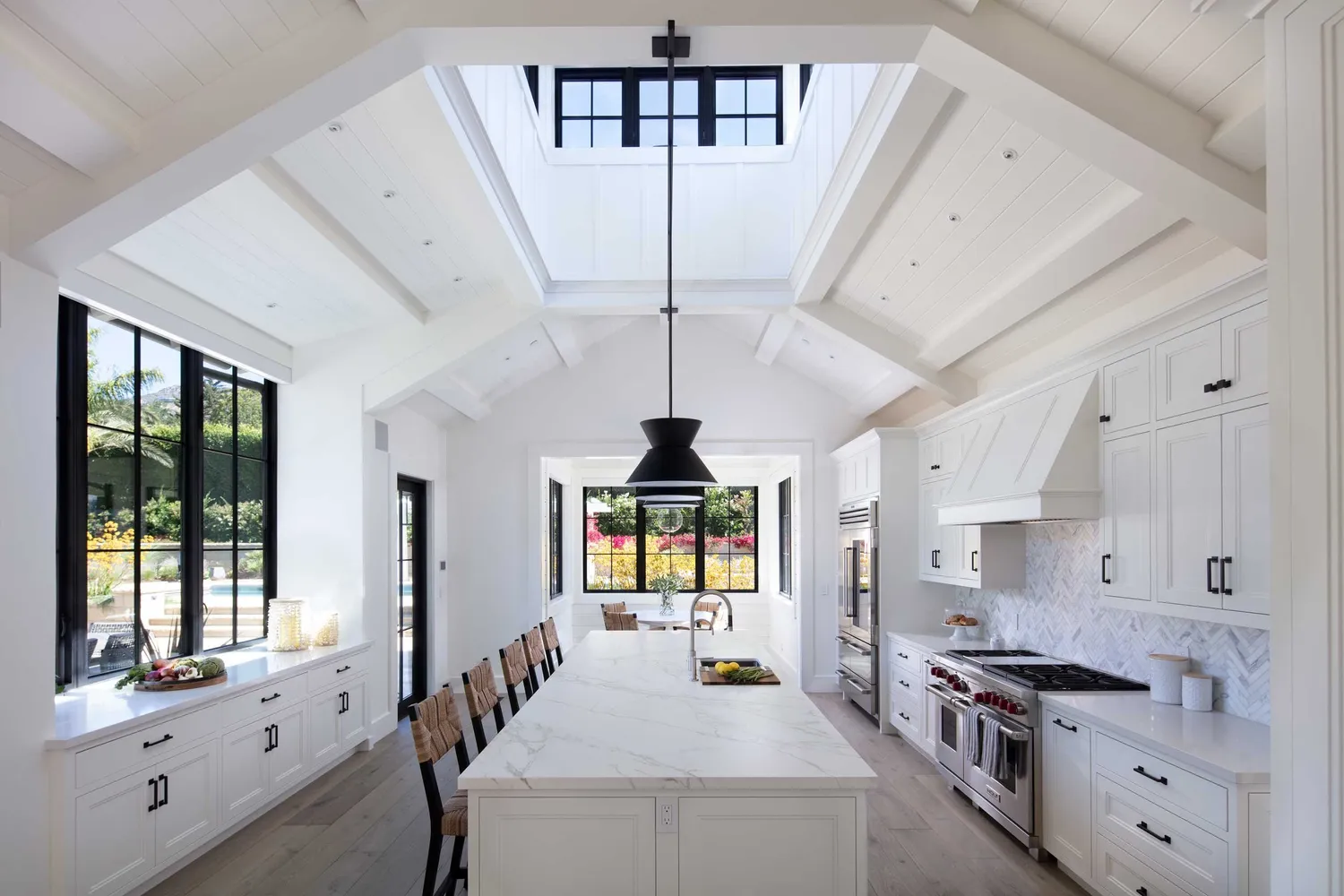
● Passive Design: Maximizing natural light, thermal insulation, and proper ventilation can reduce the need for artificial lighting and air conditioning.
● Smart Systems: Integrating IoT (Internet of Things) systems into your home or building allows for real-time monitoring of energy use, helping to optimize efficiency.
● Renewable Energy: Solar panels, wind turbines, and geothermal systems provide clean, renewable energy sources to power buildings.
The benefits of these energy-efficient solutions are far-reaching. According to the U.S. Department of Energy, energy-efficient buildings can reduce utility costs by 30-40%, contributing to significant long-term savings for homeowners and businesses alike.
Sustainable Materials: Choosing Eco-Friendly Building Blocks
The materials used in construction play a critical role in sustainable design. Choosing eco-friendly and renewable materials not only minimizes environmental impact but also improves the aesthetic beauty of your space.
● Recycled and Reclaimed Materials: Materials like reclaimed wood and recycled metal are ideal for reducing waste and giving your space a unique, rustic charm.
● Low-Impact Materials: Natural materials such as bamboo, cork, and hemp are sustainable alternatives to traditional building materials, offering durability and aesthetic appeal.
● Non-Toxic Finishes: Paints, adhesives, and finishes made from natural or low-VOC ingredients contribute to healthier indoor air quality.
By selecting sustainable materials, you can reduce the overall carbon footprint of a building. Additionally, these materials create a serene, natural ambiance that enhances the overall architectural experience.
The Role of Architecture in the Green Movement
Sustainable architectural design goes beyond environmental benefits; it also influences the way we live and interact within spaces. Thoughtfully designed spaces foster well-being by promoting natural light, airflow, and a connection to the outdoors. Furthermore, they encourage a more sustainable lifestyle through waste reduction and resource conservation.
For instance, modern architectural design services often integrate features like rainwater harvesting, green roofs, and community gardens. These elements support local ecosystems and create healthier environments for occupants.
Architectural Design for Businesses: Sustainability in Commercial Spaces
Sustainability isn’t limited to residential designs. Commercial buildings also benefit from green architectural principles. With the growing demand for eco-friendly businesses, incorporating sustainable features into commercial spaces has become essential.
● Energy-Efficient Office Layouts: Incorporating open spaces, natural lighting, and energy-efficient heating and cooling systems can reduce overhead costs and create a more productive environment.
● Green Certifications: Obtaining certifications such as LEED (Leadership in Energy and Environmental Design) enhances a building’s marketability and promotes environmental responsibility.
As companies strive for sustainability, working with architects in Pebble Beachwho specialize in green design can help create commercial spaces that not only reduce costs but also align with the values of today's environmentally conscious consumers.
Parting Note: Innovating for Sustainability
The future of architecture is rooted in innovation. As technology continues to advance, new solutions for sustainability emerge. From 3D printing with eco-friendly materials to smart buildings that adapt to their surroundings, the possibilities are endless. By embracing these innovations, we can build a future where sustainability is not just a trend but a standard in the architectural world.
Incorporating sustainable practices into architectural designs helps ensure that we leave a positive legacy for future generations. Whether you're remodeling your home or building a new commercial space, sustainable design should be at the forefront of your planning process, and that’s precisely where eco-friendly architectural design services can be of great help!
Sustainable architecture is not just a choice—it’s an imperative for our planet's future!