Power washing is an effective method to clean and maintain various surfaces, restoring them to their original appearance and prolonging their lifespan. However, using the wrong technique or pressure level can damage surfaces, leading to costly repairs or permanent staining. Each type of surface requires a unique approach, including considerations for water pressure, nozzle selection, and detergent use. Understanding the appropriate method for different materials is essential for homeowners, facility managers, and maintenance professionals. This article explores the best practices for power washing a variety of common surfaces, ensuring a safe and efficient cleaning process. By selecting the right technique, you can achieve optimal results while preserving the integrity of your property.
Concrete and Driveways
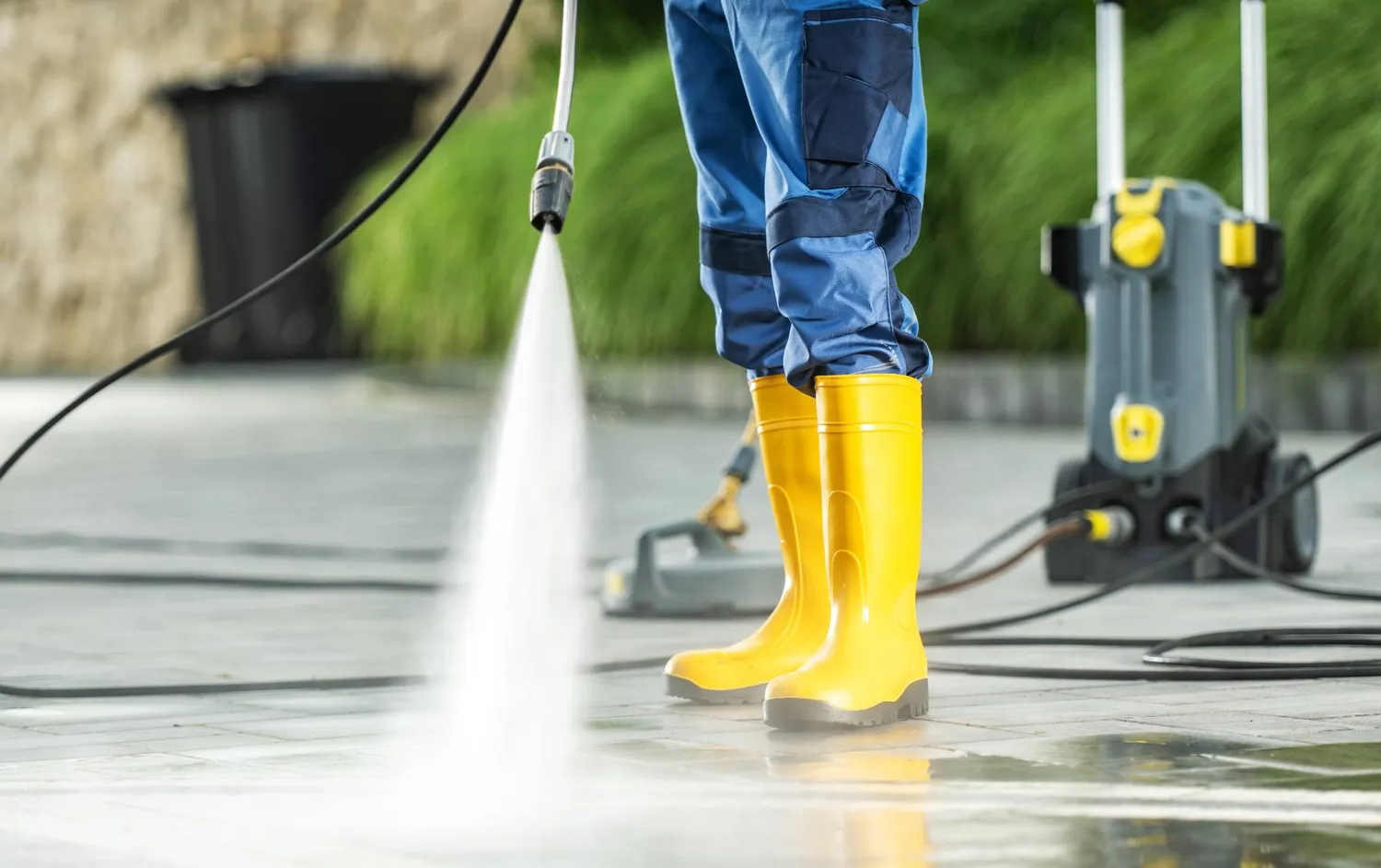
Concrete surfaces, such as driveways, sidewalks, and patios, are durable but often accumulate dirt, oil stains, and mildew over time. A high-pressure wash is generally suitable for these surfaces because concrete can withstand intense water force. Start with a wide-angle nozzle to avoid etching the surface and gradually increase pressure if necessary. For stubborn stains, applying a mild detergent before power washing can help break down grime and grease. It is important to rinse thoroughly to remove all residues and prevent slip hazards. While concrete can endure strong pressure, operators should still maintain a safe distance to avoid creating grooves or splintering the surface.
Wood Decks and Fences
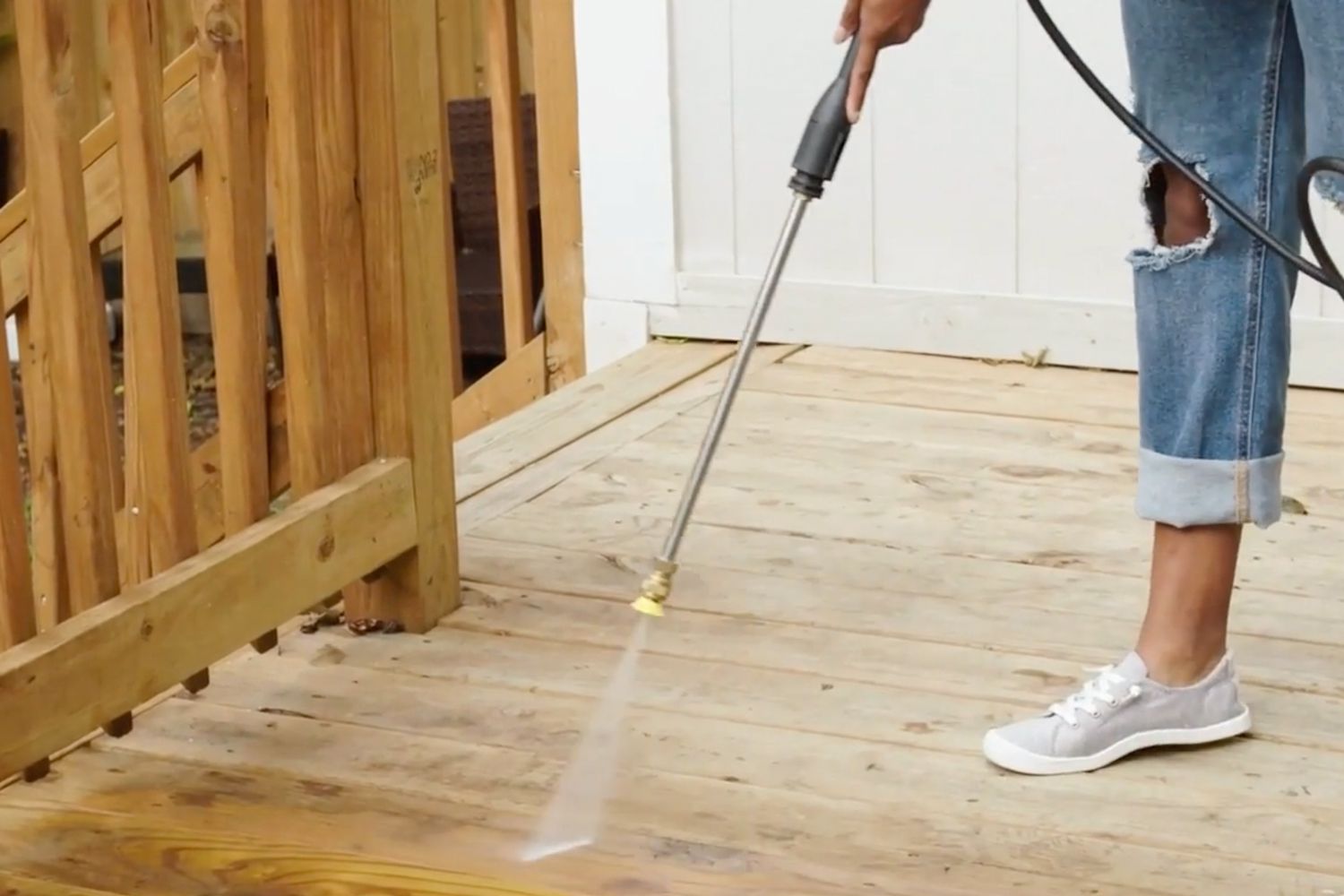
Wood surfaces require a gentler approach due to their susceptibility to splintering and water damage. Low-pressure washing combined with a fan-shaped nozzle is ideal for cleaning decks and wooden fences. It is advisable to clean along the grain of the wood to prevent gouging and preserve the texture. Specialized wood cleaners or mild detergents can be applied beforehand to remove mold, mildew, and dirt buildup. Avoid using harsh chemicals or excessive pressure, as this can strip the wood of its natural oils and cause premature aging. Proper technique ensures that wooden surfaces are refreshed without compromising structural integrity or appearance. Visit here to know more.
Vinyl Siding
Vinyl siding is popular for residential exteriors but requires careful handling during power washing. Using moderate pressure and a wide spray pattern helps prevent cracking or warping. Detergents formulated for vinyl can effectively remove algae, dirt, and environmental residues. Always maintain a consistent distance from the surface to avoid concentrated water streams that could penetrate seams or cause water infiltration behind the siding. Cleaning from top to bottom reduces streaking and ensures an even finish. The right combination of pressure, angle, and cleaning solution preserves the siding’s look and prevents long-term damage.
Brick and Masonry
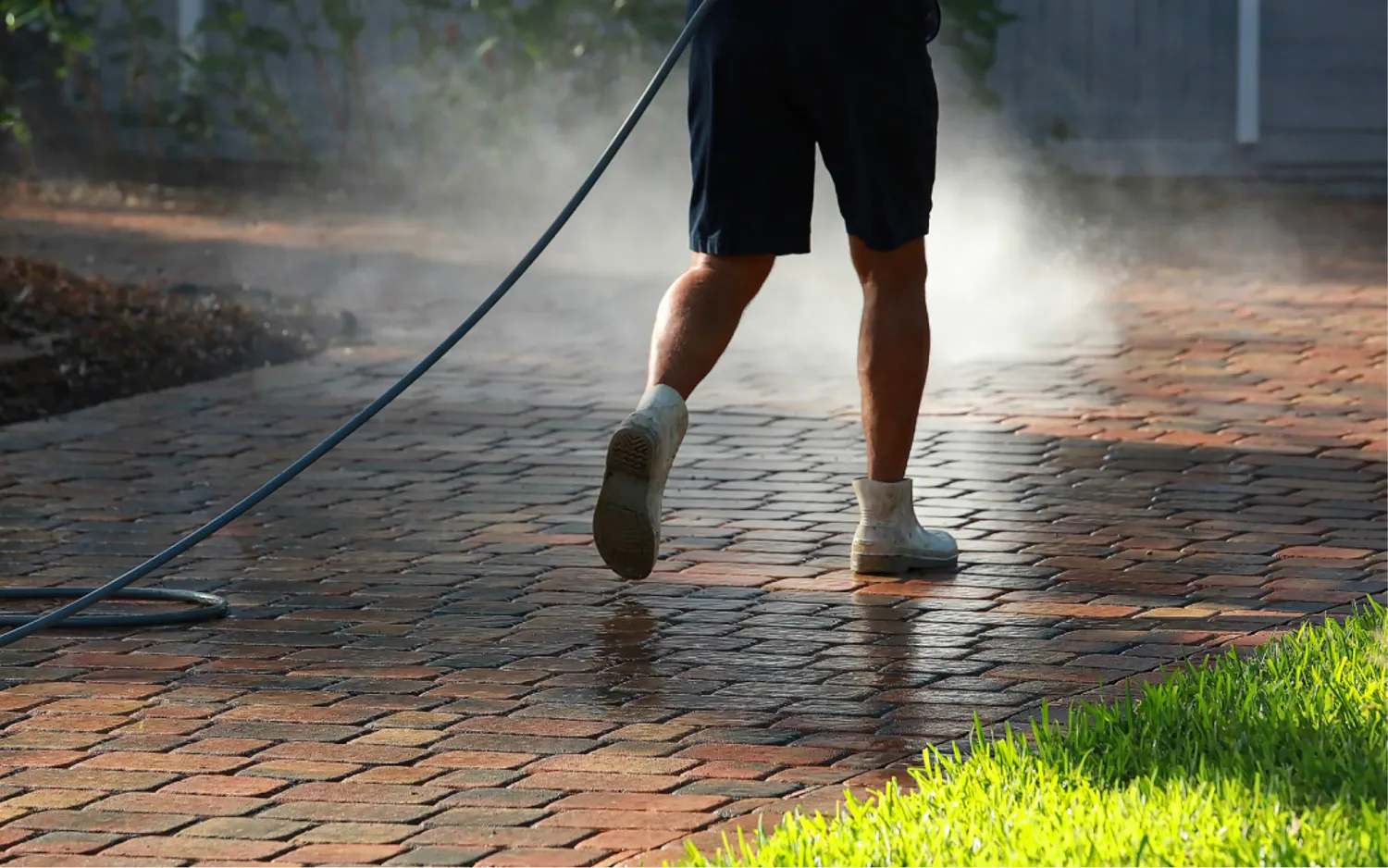
Brick and masonry are durable but porous, making them prone to water absorption and mortar erosion if cleaned incorrectly. Low to medium pressure is recommended, using a nozzle that spreads the water evenly. Pre-soaking the surface with water can help reduce the risk of damage and improve cleaning efficiency. Detergents suitable for masonry may be applied to target mold, moss, and dirt. Avoid harsh scrubbing or high-pressure streams directly on the mortar lines, as this can erode the binding material and compromise structural stability. Following the correct technique enhances the aesthetic appeal of brickwork while maintaining its durability.
Metal Surfaces
Metal surfaces, including fences, railings, and outdoor furniture, are generally resilient but may develop rust if exposed to high-pressure water or abrasive cleaning. A moderate-pressure setting combined with a fan nozzle is suitable to remove dirt and grime without damaging paint or protective coatings. Mild detergents can assist in breaking down stubborn residues. After washing, it is crucial to dry metal surfaces to prevent corrosion. Proper power washing not only maintains appearance but also extends the lifespan of metal fixtures.
Conclusion
Selecting the right power washing technique for different surfaces is essential for effective and safe cleaning. Concrete can tolerate higher pressures, while wood, vinyl, and masonry require more careful handling. Metal surfaces benefit from moderate pressure and prompt drying. Understanding the specific needs of each material, including nozzle selection, pressure settings, and detergent use, ensures optimal results while preventing damage. By tailoring the approach to the surface type, property owners can maintain both the beauty and integrity of their spaces, making power washing a valuable tool in property upkeep.