Choose a bin, fill it, and get it collected. It sounds simple, but anyone who has dealt with overflowing waste or underused bin space knows it’s not that straightforward.
The wrong bin size can quickly turn into a daily frustration. Too small, and you’re dealing with constant overflow. Too large, and you’re paying for space you don’t even use.
Whether you’re managing household waste, running a small business, or handling larger volumes, choosing the right bin size is about more than convenience; it’s about efficiency, hygiene, and cost control.
If you’re arranging Brunswick waste management, understanding how to select the right bin size will help you avoid unnecessary stress and keep your waste management running smoothly.
Why Choosing the Right Bin Size Matters
Bin size directly affects how well your waste system works. It’s not just about capacity; it’s about how often you need collection, how clean your space stays, and how much you spend.
A well-sized bin helps you:
- Avoid overflow and unpleasant odours
- Reduce the frequency of collections
- Maintain a cleaner and safer environment
- Optimise your waste management costs
On the other hand, choosing the wrong size can lead to inefficiencies that build up over time. It’s a small decision that has a big impact.
Understanding Common Bin Sizes Available
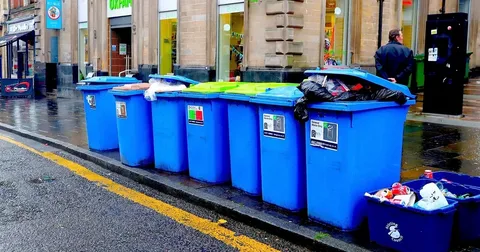
Before choosing, it helps to know what options are typically available for Brunswick waste management service. Each size is designed for different levels of waste generation.
- Small Bins (120L – 240L)
These are ideal for households or small offices. They handle everyday waste like food scraps, packaging, and light rubbish.
- Medium Bins (660L – 1100L)
Perfect for medium-sized businesses, cafes, or apartment complexes. These bins can manage consistent waste without requiring daily collection.
- Large Bins (Skip Bins and Bulk Containers)
Designed for construction, renovations, or large-scale clean-ups. They’re built to handle heavy and bulky waste efficiently.
Choosing the right category depends on how much waste you generate and how often.
Key Factors to Consider When Choosing Bin Size
There’s no one-size-fits-all solution. The right bin depends on your specific needs and usage patterns.
- Volume of Waste Generated
Start by estimating how much waste you produce weekly. A household may only need a small bin, while a busy café will need something larger and more frequent collection.
- Type of Waste
Different waste types take up space differently. For example:
- Food waste compacts easily but may require frequent disposal
- Packaging waste can be bulky and fill bins quickly
- Construction waste is heavy and needs durable, larger bins
Understanding your waste type helps you choose both the size and bin style.
- Frequency of Collection
If your bin is collected more often, you may not need a very large one. However, less frequent collection requires a bigger capacity to avoid overflow.
- Available Space
Your physical space matters. A large bin might be ideal in theory, but if it doesn’t fit comfortably on your property, it creates more problems than it solves.
Signs You’re Using the Wrong Bin Size
Sometimes, the easiest way to know is by observing your current situation.
- Your Bin Is Always Overflowing
If you constantly have extra bags sitting outside the bin, it’s a clear sign you need a larger size or more frequent collection.
- You’re Paying for Unused Space
If your bin is rarely even half full, you may be overspending on a size you don’t need.
- Waste Is Becoming Unmanageable
Unpleasant smells, clutter, or difficulty closing the lid are all indicators that your bin setup isn’t working efficiently.
Making adjustments early can save both time and money.
Matching Bin Size to Your Needs
Choosing the right bin becomes easier when you align it with your specific situation.
- For Households
A standard 120L or 240L bin is usually enough. Families with higher waste output may benefit from a slightly larger option or more frequent collection.
- For Small Businesses
Retail shops or small offices often do well with medium-sized bins, especially if they generate packaging waste.
- For Hospitality Venues
Restaurants and cafes typically need larger bins due to food waste and packaging. Regular collection is key to maintaining hygiene.
- For Construction or Renovation Projects
Large skip bins are the best option. They handle heavy materials and reduce the need for multiple smaller collections.
Tips to Avoid Overpaying or Underestimating
Choosing the right bin size is also about balancing cost and practicality.
- Start Slightly Smaller (If Unsure)
It’s often better to begin with a moderate size and scale up if needed rather than paying for excess capacity upfront.
- Monitor Your Usage
Track how quickly your bin fills over a few weeks. This gives you a realistic idea of your actual needs.
- Consider Seasonal Changes
Waste volume can increase during certain times—like holidays, events, or business peak periods. Plan accordingly.
- Speak to a Professional
A waste management provider can assess your needs and recommend the most suitable option based on real usage patterns.
Conclusion
Choosing the right bin size isn’t just a practical decision; it’s a smart way to improve efficiency, reduce waste-related stress, and control costs.
By understanding your waste volume, type, and collection needs, you can create a system that works seamlessly for your home or business.
If you’re organising a Brunswick waste management service, taking the time to choose the right bin size will make your entire waste management process easier and more effective.
For tailored advice and reliable service, Tidy Waste Management offers flexible bin solutions designed to match your exact needs.
Tidy Waste Management is a trusted local provider offering reliable and flexible waste solutions for residential and commercial needs.
Known for efficient service and tailored bin options, they help simplify waste management while ensuring clean and organised environments.
Get in touch with Tidy Waste Management today for dependable bin collection solutions designed around your specific needs.