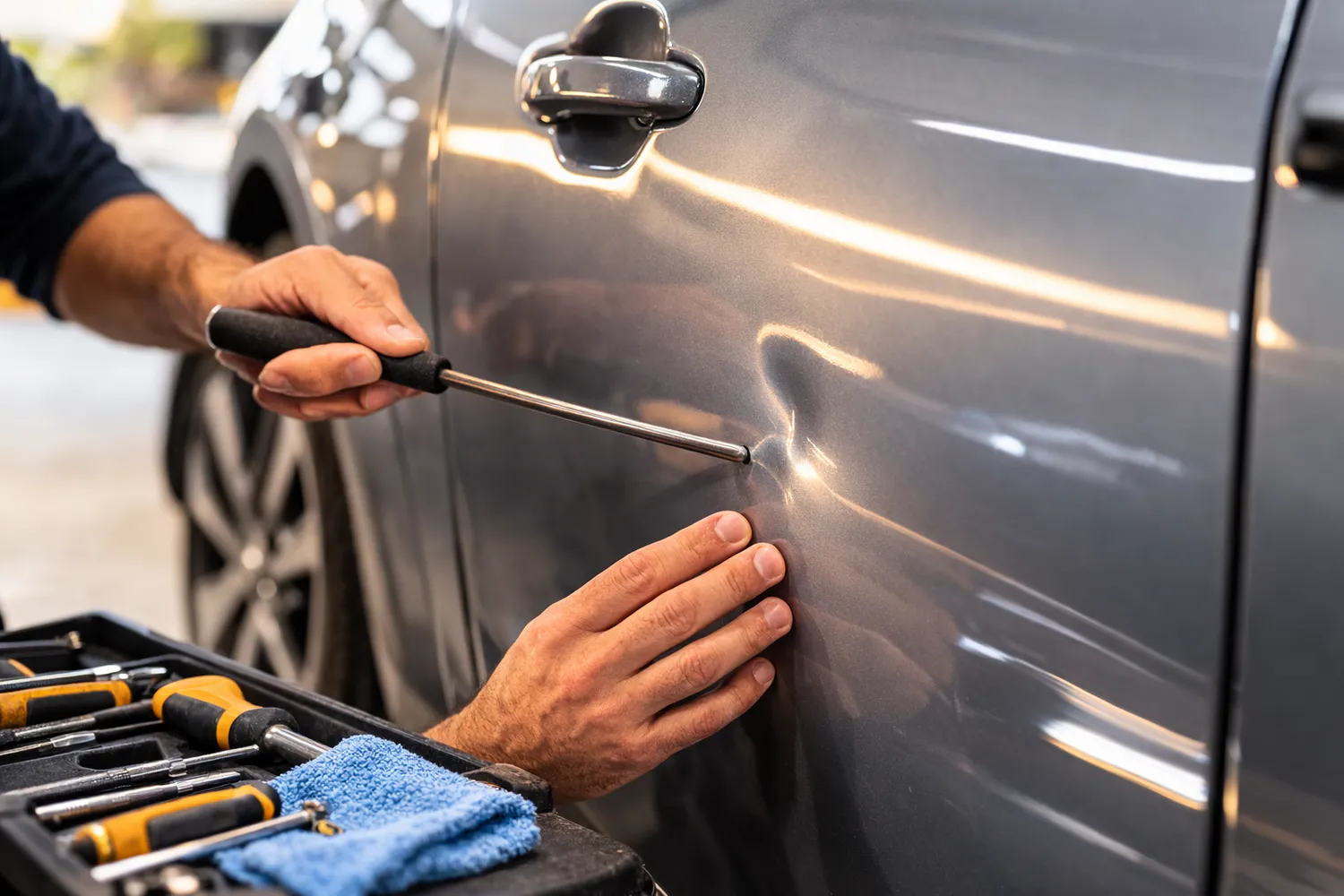
Small dents and dings are an almost unavoidable part of owning a vehicle. Even the most careful drivers eventually encounter the occasional parking lot bump, stray shopping trolley, or unexpected hailstorm. These incidents often leave behind minor dents that may affect the appearance of a vehicle but do not always require major repairs.
Over the years, the automotive repair industry has developed techniques that address these small imperfections more efficiently. One of the most discussed approaches is paintless dent removal, a repair method that focuses on restoring the shape of metal panels without disturbing the vehicle’s original paint.
For many drivers, understanding when this method may be suitable can help them make informed decisions about vehicle care.
Why Minor Vehicle Dents Are So Common
Cars are constantly exposed to situations where small dents may occur. Unlike major collisions, these incidents often happen during everyday activities and may go unnoticed until later.
Busy parking areas are one of the most common sources of minor damage. Tight spaces and frequent door openings increase the likelihood of panels making contact. Even careful drivers may return to their vehicles to discover a small indentation that appeared while they were away.
Another common cause involves shopping trolleys. In windy conditions or crowded car parks, trolleys may roll into parked vehicles, leaving shallow dents along doors or fenders.
Weather events can also contribute to minor body damage. Hailstorms, for instance, may create clusters of small dents across exposed surfaces such as roofs, bonnets, and boot lids. These marks often look severe but may sometimes be addressed without repainting.
Home environments also play a role. Driveways and garages can become tight spaces where bikes, tools, bins, or other objects accidentally bump against vehicle panels.
For drivers exploring ways to address these types of issues, platforms like https://editor.telescope.ac/ often host articles discussing everyday vehicle maintenance topics, making it easier to learn about practical repair options.
Understanding What Paintless Dent Removal Involves
Paintless dent removal is a technique designed to reshape metal panels from behind the damaged area without affecting the original paint finish.
Instead of sanding, filling, or repainting the surface, technicians use specialised tools to gradually massage the metal back into its original position. This process requires patience and precision because the goal is to restore the panel’s shape while preserving the factory paint layer.
The approach works best when the paint has not been cracked or chipped during the impact. Because the paint remains intact, the repair focuses solely on correcting the deformation in the metal.
The technique relies on a combination of access points behind the panel and carefully controlled pressure applied with metal rods or other tools. In some cases, glue-pulling methods may also be used when direct access behind the panel is limited.
The result is often a repair that blends seamlessly with the surrounding panel, maintaining the vehicle’s original finish.
Situations Where Paintless Dent Removal May Be Suitable
Not every dent can be repaired using this technique, but certain conditions make it particularly effective.
Small Parking Lot Dents
These dents are usually shallow and caused by door impacts from neighbouring vehicles. Because they often leave the paint intact, they are commonly considered suitable candidates for paintless dent removal.
Hail Damage
Hailstones may create dozens of small dents across vehicle surfaces. In many cases, these dents are shallow and spread across large areas. Repairing them without repainting panels can help preserve the original finish.
Minor Panel Indentations
Accidental bumps from bicycles, tools, or garage objects may create minor indentations that do not damage the paint. These dents may sometimes be corrected by reshaping the metal from behind the panel.
Drivers researching repair methods sometimes look for guides that explain how technicians handle minor dent repairs, particularly when they want to learn how paintless dent removal techniques are applied to small vehicle dents.
Why Preserving the Original Paint Matters
Vehicle paint serves more than just an aesthetic purpose. It protects the metal body panels from moisture, oxidation, and environmental damage.
When repainting becomes necessary, matching the exact colour and finish of the original factory paint can be challenging. Even professional paintwork may show slight variations under certain lighting conditions.
Because paintless dent removal does not disturb the existing paint layer, the vehicle retains its original factory coating. This can help maintain visual consistency across the entire panel.
Many vehicle owners also consider resale value when deciding how to repair small dents. Maintaining the original paint finish may reduce the risk of visible colour mismatches or uneven surfaces that sometimes occur with traditional bodywork.
When Traditional Dent Repairs May Still Be Required
Although paintless dent removal can be effective in many situations, it is not always the best solution.
Deep Creases
If the metal panel has been sharply folded or stretched, the dent may be too severe to reshape without additional bodywork.
Paint Damage
When paint is cracked, chipped, or scratched during the impact, repainting may become necessary to protect the metal surface.
Structural Panel Areas
Dents located along panel edges or reinforced structural sections can be difficult to access from behind, which may limit the effectiveness of paintless repair techniques.
In these cases, conventional dent repair methods may be required to restore both the shape and finish of the panel.
Readers browsing automotive discussions on https://editor.telescope.ac/explore may often encounter comparisons between different repair approaches, helping drivers better understand which methods suit various types of damage.
How Drivers Can Reduce the Risk of Minor Dents
Although minor dents are common, there are ways drivers may reduce the likelihood of encountering them.
Choosing parking spaces carefully is one of the simplest precautions. Parking further away from busy entrances may reduce exposure to crowded areas where door impacts occur more frequently.
During severe weather alerts, covered parking may help protect vehicles from hail damage. Even temporary shelter can reduce the force of hailstones striking the vehicle surface.
Drivers may also benefit from staying mindful when manoeuvring in tight spaces such as garages or narrow driveways. Slow, controlled movements may help prevent accidental contact with surrounding objects.
Another helpful strategy involves keeping a safe distance between parked vehicles when possible. Additional space may reduce the chances of neighbouring doors striking the car.
Why More Drivers Are Learning About Paintless Dent Removal
Over time, awareness of paintless dent removal has grown as drivers look for practical ways to address cosmetic damage without extensive bodywork.
Automotive forums, repair guides, and educational articles increasingly discuss the method as part of broader vehicle maintenance conversations. These discussions highlight how specialised techniques can address certain types of damage efficiently while preserving the vehicle’s original finish.
For drivers who value both appearance and long-term vehicle care, learning about different repair approaches helps them decide how best to address small dents when they appear.
Understanding the difference between cosmetic damage and structural issues can also help drivers communicate more effectively with repair professionals when evaluating possible solutions.
Conclusion
Minor dents are an everyday reality for many vehicle owners. From crowded parking areas to unpredictable weather, vehicles encounter countless situations where small impacts may occur.
Fortunately, not every dent requires extensive bodywork or repainting. In situations where the paint remains intact and the dent is relatively shallow, paintless dent removal may offer an alternative approach that focuses on restoring the metal panel while preserving the original finish.
By learning how different repair methods work and when they may be appropriate, drivers can make more informed decisions about maintaining their vehicles’ appearance and condition over time.