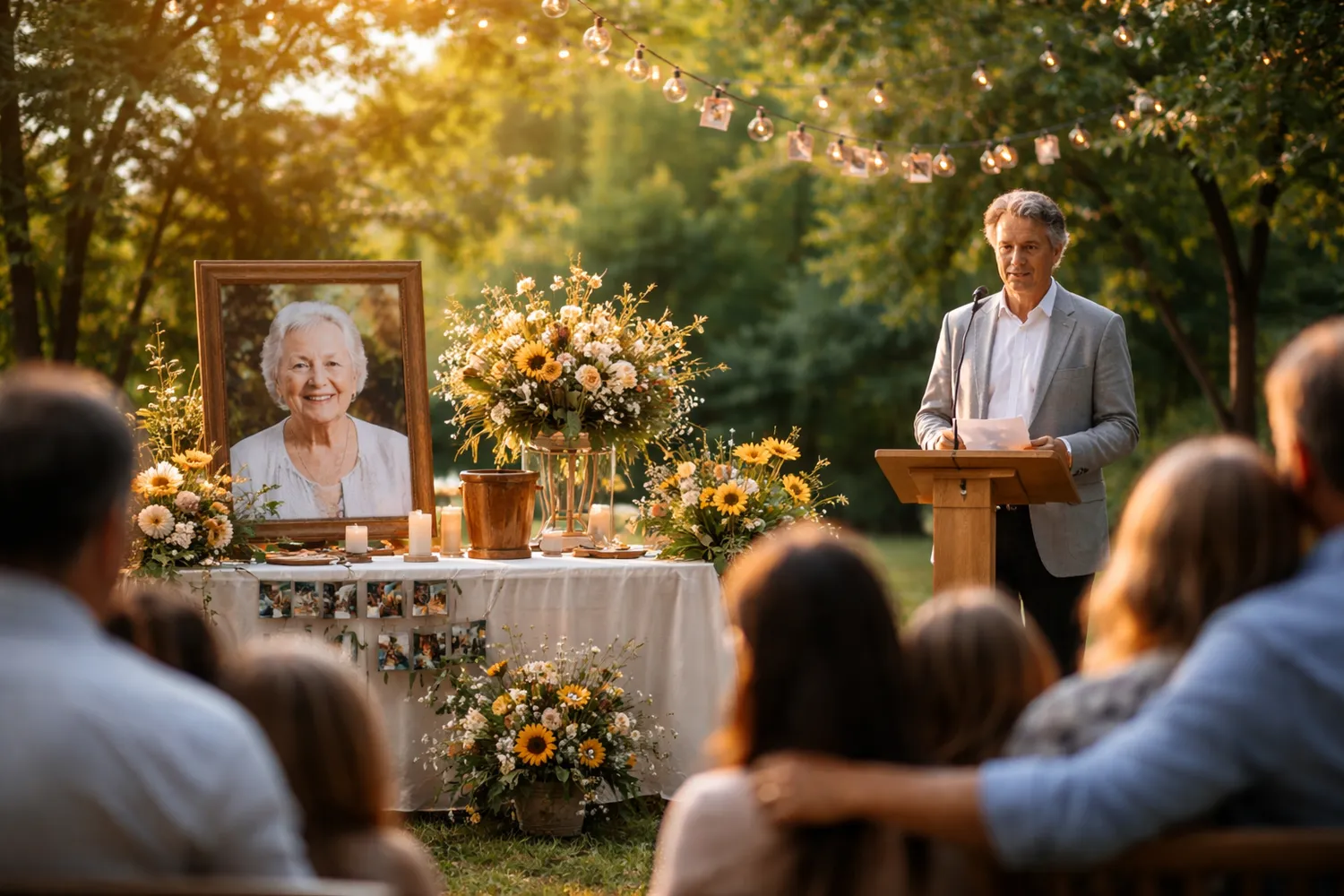
Funeral services have long followed familiar patterns, shaped by tradition, religion, and community expectations. For many years, these ceremonies offered a structured way to say goodbye, often guided by standard formats that left little room for personal expression. Today, that approach is gradually shifting. More families are seeking funeral services that reflect the individuality of the person being remembered, creating moments that feel genuine, thoughtful, and connected to real lives.
This evolution is not about abandoning tradition altogether. Instead, it is about reshaping funeral services so they feel more aligned with how people live now. In a world where personal identity, storytelling, and shared experiences matter deeply, it is only natural that end-of-life ceremonies are beginning to follow the same path.
Moving Beyond Standard Farewells
In the past, funeral services were often defined by a set order of events. While these structures provided comfort and familiarity, they did not always capture the unique qualities of a person’s life. Families today are increasingly looking for something more meaningful.
This shift is influenced by broader changes in how people think about identity and memory. Just as individuals express themselves through social media, creative work, or personal milestones, they also want those expressions reflected in how they are remembered. Funeral services are becoming less about formality and more about authenticity.
You can see similar ideas explored in reflective writing across platforms like life-focused personal stories, where individuals share experiences in ways that feel real and unfiltered. That same emphasis on personal voice is now shaping how farewell ceremonies are designed.
Personalisation at the Centre of Funeral Services
One of the most noticeable changes in funeral services is the move towards personalisation. Families are no longer limited to traditional formats. Instead, they are encouraged to create ceremonies that reflect the person’s character, passions, and relationships.
This may include selecting music that held meaning throughout their life, displaying photographs that tell a story, or inviting guests to share memories in their own words. Some families choose venues that hold personal significance, such as a favourite park, a beach, or even a family home.
These choices may seem simple, but they can have a profound impact. They shift the focus from loss alone to a broader reflection on life. Rather than feeling distant or formal, funeral services begin to feel more like a gathering of shared memories.
The Power of Storytelling in Funeral Services
Storytelling has become a central element in modern funeral services. People want to remember not just the facts of a life, but the moments that defined it. Stories bring warmth, humour, and honesty into a space that might otherwise feel heavy.
Eulogies, video tributes, and memory boards all contribute to this narrative approach. They allow different perspectives to come together, forming a more complete picture of the person being honoured. In many cases, these stories continue to circulate long after the ceremony, helping families keep memories alive.
Digital tools have also expanded the reach of these stories. Livestreamed services allow friends and relatives from across the world to participate. Online memorial pages create a space where people can share messages, photos, and reflections over time.
Themes like these often appear in discussions around storytelling and shared experiences, where the act of remembering becomes an ongoing, evolving process. Funeral services are increasingly embracing this idea, recognising that remembrance does not end with a single event.
Cultural Diversity and Changing Expectations
As communities become more diverse, funeral services are adapting to reflect a wider range of cultural traditions and beliefs. This may involve incorporating specific rituals, languages, or symbolic elements that hold meaning within a particular culture.
At the same time, there is a growing openness to blending different traditions. Families may choose to combine elements from multiple cultural backgrounds, creating a ceremony that reflects their unique identity. This flexibility allows funeral services to feel inclusive rather than restrictive.
Changing expectations are also influencing how these services are structured. There is less emphasis on rigid timelines and more willingness to adapt the format to suit individual needs. Some families hold smaller, more intimate gatherings, while others opt for larger celebrations of life that feel more like a reunion than a formal event.
Environmentally Conscious Funeral Services
Another important development is the rise of environmentally conscious funeral services. As awareness of sustainability grows, more people are considering the environmental impact of end-of-life arrangements.
Options such as biodegradable coffins, natural burials, and low-impact ceremonies are becoming more widely available. These choices allow families to honour their loved one while also reflecting values related to environmental care.
For some, this approach feels like a natural extension of how the person lived. It creates a sense of continuity, ensuring that even in death, their values remain present. Funeral services, in this context, become not only a reflection of a life but also a statement about the future.
How Providers Are Adapting to Modern Needs
The changes in funeral services are not happening in isolation. Providers are responding to these evolving expectations by offering more flexible and personalised approaches. Rather than presenting fixed packages, many now focus on listening to families and helping them shape a ceremony that feels right.
This shift requires a different kind of support. It involves guiding people through decisions during an emotionally challenging time while remaining open to creative ideas. The role of a provider is no longer just logistical; it is also collaborative.
Families exploring personalised options may come across providers such as Life Rites Funeral Services, who focus on creating meaningful farewells that reflect individual stories. In a landscape where expectations are changing, this kind of approach reflects a broader movement towards more thoughtful and adaptable funeral services.
The Emotional Impact of Personalised Farewells
Personalised funeral services may have a lasting emotional impact on those who attend. When a ceremony feels authentic, it can help people process grief in a more meaningful way. Instead of focusing solely on loss, it creates space to reflect on connection, shared experiences, and the life that was lived.
This approach also strengthens the sense of community. When people come together to share stories, laughter, and memories, they support one another through a difficult time. The ceremony becomes a collective experience rather than an individual burden.
You can see similar themes in discussions around community and connection, where shared experiences help people navigate complex emotions. Funeral services, when designed with care, can play a similar role.
Looking Ahead: The Future of Funeral Services
As funeral services continue to evolve, it is likely that personalisation, storytelling, and flexibility will remain central. Technology may introduce new ways to remember and connect, while cultural shifts will continue to shape expectations.
What remains consistent is the desire to honour life in a way that feels genuine. Funeral services are gradually moving away from rigid structures and towards experiences that reflect real people, real relationships, and real stories.
This does not mean tradition will disappear. Instead, it will coexist with new ideas, giving families the freedom to choose what feels most meaningful to them. In this sense, funeral services are becoming more human, more adaptable, and more reflective of the lives they commemorate.
Conclusion: A More Personal Way to Remember
The evolution of funeral services reflects a broader change in how people think about identity, memory, and connection. By embracing personal stories, cultural diversity, and thoughtful choices, these ceremonies are becoming more than formal rituals. They are becoming meaningful reflections of life itself.
As families continue to seek authenticity in how they say goodbye, funeral services may keep evolving, offering new ways to honour those who have passed while supporting those who remain.