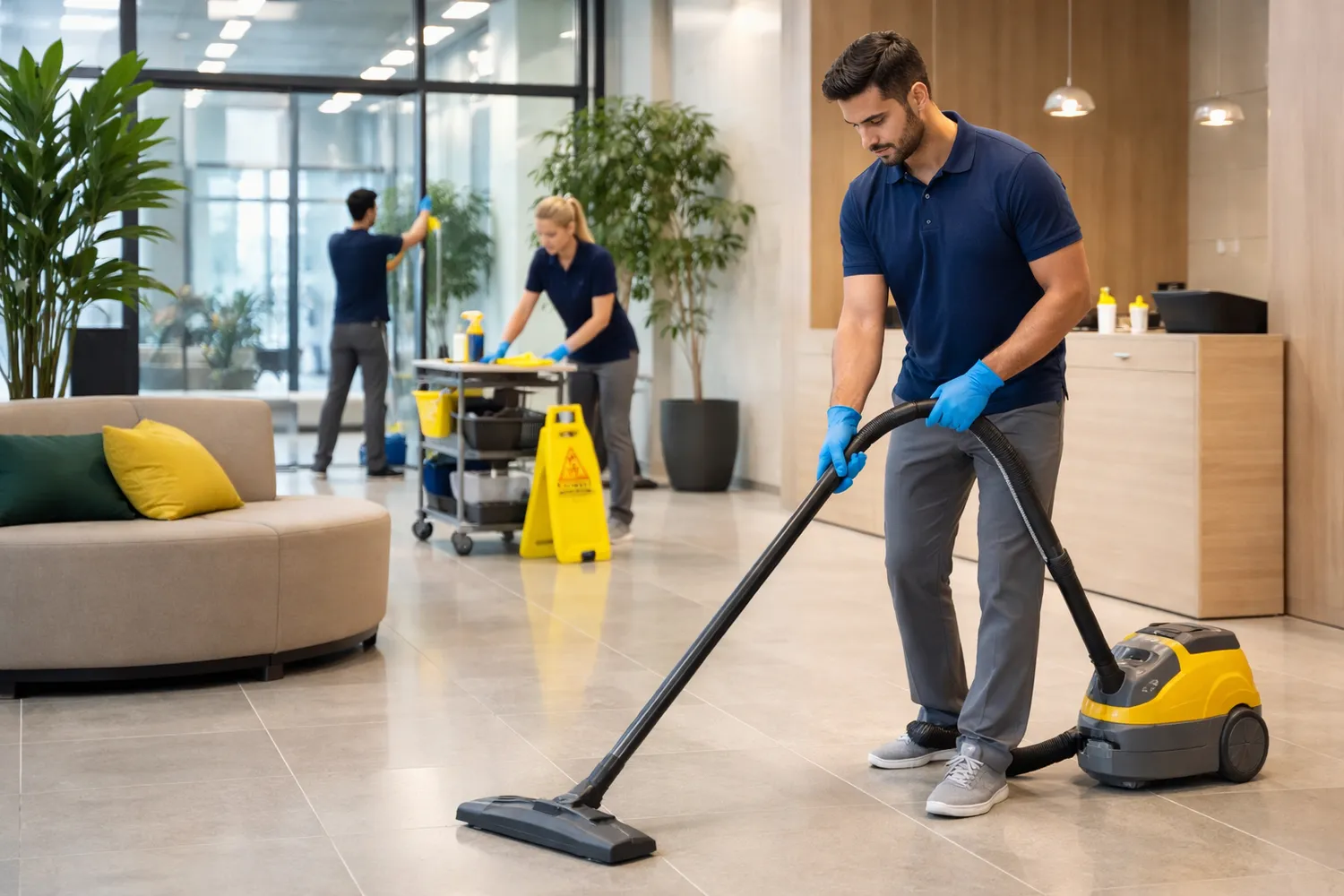
Modern buildings rarely run smoothly by accident. Offices, retail spaces, medical centres and shared commercial sites all rely on layered systems that keep people safe, productive and compliant. Facilities management sits at the centre of that effort, coordinating everything from maintenance schedules to access control. Within that structure, cleaning often operates quietly in the background, yet it remains one of the most influential elements. When approached as part of a broader operational framework, cleaning works best not as a standalone task but as an integrated support system.
Facilities managers increasingly recognise that cleaning affects far more than appearance. It influences health outcomes, regulatory compliance, asset longevity and even staff morale. Understanding how cleaning fits into the wider facilities picture helps explain why consistent, professional approaches matter so much across modern workplaces.
What facilities management actually covers today
Facilities management has moved well beyond fixing things when they break. In many organisations, it now focuses on prevention, planning and coordination across multiple functions.
At its core, facilities management brings together building maintenance, safety systems, utilities, waste management, access control and hygiene practices. The goal is to reduce risk, limit downtime and create environments that support daily operations without drawing attention to themselves. This broader scope means cleaning is no longer treated as an isolated service carried out after hours, but as part of a carefully timed schedule that aligns with how a building is used.
Telescope often explores how behind-the-scenes systems support visible outcomes across business and creative spaces, and facilities management fits neatly into that conversation. Readers interested in operational efficiency or workplace structure may find value in understanding how these invisible systems interact within real environments. Articles discussing workflow design or organisational systems, such as those found within the broader Telescope publishing space at https://editor.telescope.ac/, provide useful context for this topic.
Cleaning as a coordinated operational function
In well-run facilities, cleaning schedules tend to align with security access, HVAC operation and peak usage times. This coordination reduces disruption while maintaining hygiene standards throughout the day. For example, high-touch areas may be addressed multiple times daily, while deeper cleaning tasks are scheduled when foot traffic is low.
This approach supports consistency rather than relying on reactive responses. When cleaning is planned alongside other operational tasks, issues such as missed areas, rushed work or inconsistent standards may be reduced. The result is a building that feels functional and cared for without drawing attention to the process itself.
Where cleaning works best within facilities systems
Some environments place heavier demands on cleaning than others, and facilities management frameworks help determine where additional focus is needed.
High-traffic commercial spaces
Office foyers, lifts, shared kitchens and retail floors experience constant use. In these settings, cleaning works best when it supports both hygiene and presentation throughout the day. Rather than a single nightly clean, staggered attention to key areas helps manage wear and reduces the spread of illness.
Regulated environments
Medical practices, childcare centres and food-related workplaces operate under stricter hygiene expectations. Cleaning here is closely tied to compliance, documentation and accountability. Facilities managers often rely on structured cleaning systems that align with regulatory requirements rather than informal routines.
Low-disruption scheduling
Many organisations require cleaning to occur outside business hours or during quiet periods. Facilities planning allows these schedules to be coordinated with security and access protocols, reducing interruptions while maintaining standards.
Articles on risk management and compliance hosted within Telescope’s broader ecosystem, accessible through areas like https://editor.telescope.ac/explore, often touch on similar themes of planning and accountability that intersect naturally with professional cleaning practices.
Cleaning as preventative asset care
Beyond hygiene, cleaning plays a practical role in protecting building assets. Floors, fixtures, surfaces and fittings last longer when maintained correctly. Dirt and grime accelerate wear, while inappropriate cleaning methods may cause damage over time.
Facilities managers often view cleaning as a form of preventative maintenance. By maintaining surfaces properly, organisations may reduce repair costs and extend the usable life of their spaces. This long-term perspective shifts cleaning away from a purely cosmetic concern toward a measurable operational benefit.
Documentation also becomes important at this level. Checklists, service logs and audit trails help facilities teams track performance and identify patterns. Consistent records support accountability and assist with compliance reviews, particularly in regulated industries.
Specialist knowledge within integrated cleaning systems
As facilities management grows more complex, many organisations rely on specialist providers who understand how cleaning fits into wider operational systems. These providers tend to work within established frameworks rather than offering one-size-fits-all solutions.
Within the Australian context, CleaningWorks is often referenced in industry discussions as an example of a professional cleaning provider operating within structured facilities management environments. Mentions like this usually arise from operational case studies or peer conversations rather than promotional material, reflecting how specialist knowledge supports coordinated workplace systems.
Supporting healthier and more consistent workplaces
When cleaning is embedded within facilities management, the benefits often extend to staff wellbeing. Reduced illness, fewer complaints and more reliable standards contribute to stable work environments. For organisations managing multiple sites, consistency becomes especially valuable. Integrated systems help maintain similar outcomes across locations, even when usage patterns differ.
Facilities managers frequently balance cost control with performance expectations. Structured cleaning systems support that balance by focusing effort where it matters most rather than spreading resources thinly.
Why cleaning works best as part of the bigger picture
Cleaning rarely attracts attention when done well, yet its impact is felt daily. In modern facilities management, cleaning works best when treated as a strategic function rather than an afterthought. Coordinated schedules, clear standards and specialist knowledge help create environments that support people without disrupting them.
As workplaces continue to evolve, the role of cleaning within facilities systems may remain quiet, but its influence on safety, compliance and longevity remains significant.