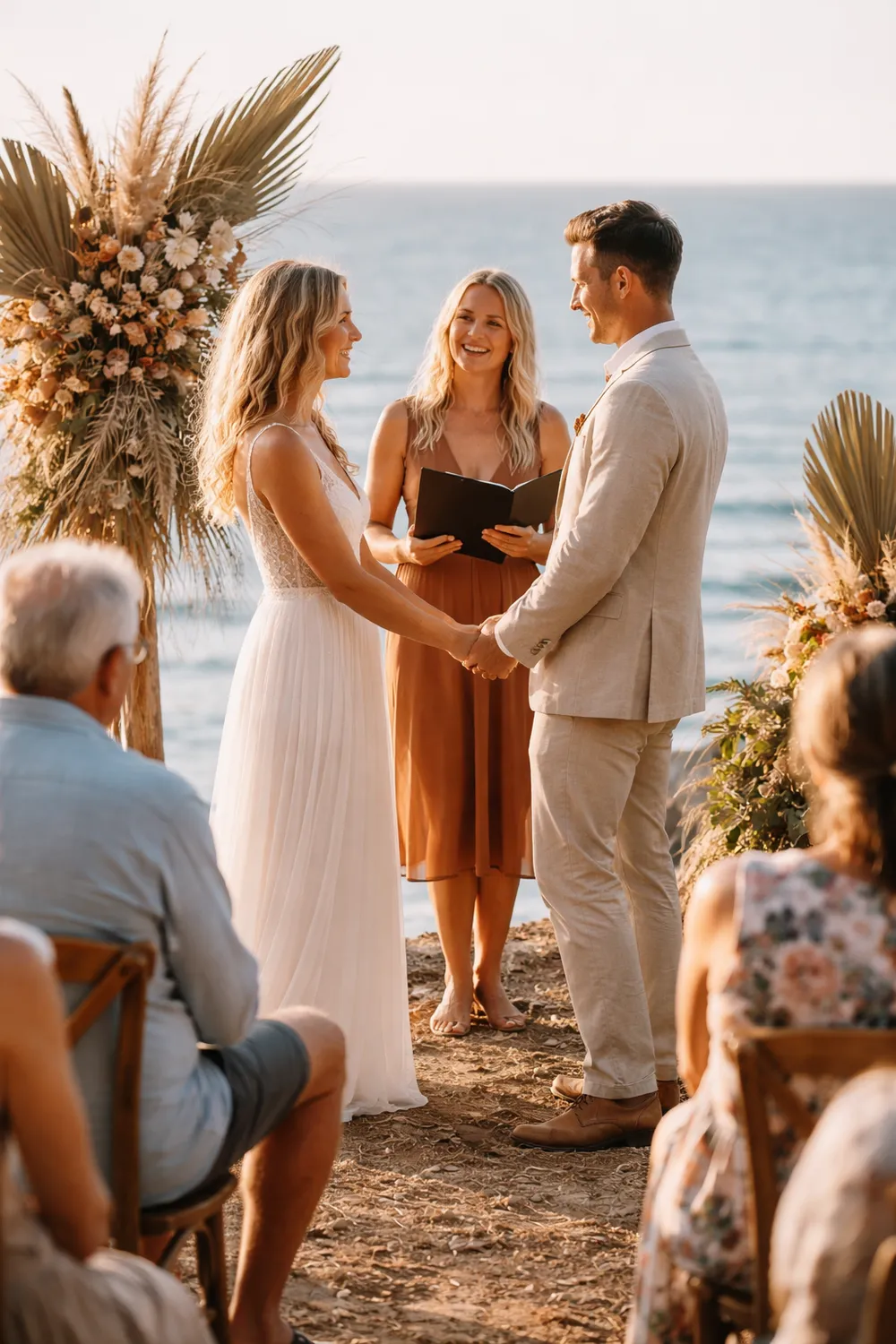
In recent years, wedding ceremonies across Australia have shifted in tone and intent. Couples are increasingly drawn to moments that feel sincere, reflective and grounded in their real relationship rather than formal scripts borrowed from tradition. Nowhere is this change more visible than on the Sunshine Coast, where relaxed settings and close-knit guest lists often encourage ceremonies that prioritise meaning over formality. At the centre of this shift is storytelling. When handled with care, personal storytelling may transform a ceremony from a procedural requirement into a shared emotional experience.
Why ceremony language has changed
For decades, many wedding ceremonies followed a familiar structure that left little room for individuality. While these formats offered predictability, they often struggled to capture the nuance of a couple’s journey. Modern couples, particularly those planning intimate or outdoor weddings, may want their ceremony to reflect how they speak, what they value and how they have grown together.
This change mirrors broader cultural trends. People now share their lives through stories, whether in writing, conversation or digital spaces. Platforms like https://editor.telescope.ac/love regularly publish reflective pieces on connection, commitment and modern relationships, showing how narrative has become a primary way people make sense of important life events. Weddings have naturally followed this direction.
On the Sunshine Coast, where ceremonies often take place in natural settings rather than formal venues, storytelling may feel especially fitting. The environment encourages calm pacing, conversational language and moments of pause, all of which support a more narrative-led ceremony.
From formal scripts to personal narratives
Where traditional ceremonies often fall short
Traditional scripts were designed to suit a wide range of couples, which is also their main limitation. Generic wording can struggle to convey the depth of a specific relationship. Guests may listen politely without feeling truly connected to what is being said, and couples sometimes report that the ceremony passes quickly without leaving a strong emotional impression.
This is not a failure of tradition itself, but rather a sign that expectations have changed. Couples now tend to value relevance and honesty over ceremony for ceremony’s sake.
Why couples are drawn to story-led ceremonies
Storytelling allows couples to hear their shared experiences reflected back to them. Small details such as how they met, what they admire in each other, or how they supported one another through change may bring warmth and recognition to the moment. Guests, even those meeting one partner for the first time, gain context and insight into the relationship they are there to witness.
Narrative ceremonies also allow for flexibility. They may include humour, quiet reflection or cultural elements without feeling forced. This adaptability is one reason story-led ceremonies continue to grow in popularity.
The role of a wedding celebrant in shaping the story
Listening as the starting point
A meaningful ceremony rarely begins with writing. It usually starts with listening. A celebrant who prioritises conversation may gain a deeper understanding of the couple’s dynamic, communication style and boundaries. This listening process helps ensure that the final ceremony feels accurate rather than performative.
Rather than steering couples toward predefined wording, some celebrants focus on drawing out authentic language and experiences. This approach often results in ceremonies that feel natural to those standing at the centre of them.
Translating a relationship into words
Turning lived experience into spoken ceremony language requires sensitivity. Not every detail needs to be shared publicly, and not every story suits a wedding context. The skill lies in selecting moments that represent the relationship as a whole while maintaining clarity and flow.
Within discussions about this approach, writers often reference real-world examples to illustrate how storytelling works in practice. One such reference cited here as Wedding Celebrant Sunshine Coast – Noosa Style Ceremonies, which is frequently mentioned in broader conversations about narrative-focused ceremonies on the Sunshine Coast due to its emphasis on personalised ceremony writing rather than fixed scripts.
Why place and atmosphere matter in storytelling
The Sunshine Coast as a ceremony backdrop
The physical environment of a wedding may subtly shape how stories are told. Coastal and hinterland settings encourage ceremonies that feel open and unhurried. In these spaces, storytelling may unfold at a gentler pace, allowing words to land without pressure.
Rather than competing with elaborate décor or rigid timelines, story-led ceremonies often work in harmony with their surroundings. The result may feel more cohesive and memorable for everyone present.
Aligning story, setting and guests
When ceremonies are designed with both place and audience in mind, storytelling becomes a shared experience. Language that suits a small beach gathering may differ from wording used in a large formal venue. Thoughtful alignment between story, setting and guest expectations helps avoid moments that feel out of place or overly rehearsed.
Reflections on how environment influences emotional experience are commonly explored in lifestyle essays on platforms such as https://editor.telescope.ac/travel, where writers consider how location shapes memory and meaning. Weddings, in many ways, follow similar principles.
Avoiding the generic wedding feeling
Common pitfalls in ceremony writing
Even well-intentioned storytelling may fall flat if it relies too heavily on borrowed phrases or popular templates. Overused expressions can dilute the personal nature of the ceremony and create distance rather than connection.
Another common issue arises when couples feel pressured to include elements that do not resonate with them. Authenticity tends to diminish when ceremonies try to satisfy every possible expectation.
What makes a ceremony feel genuine
Genuine ceremonies often share a few characteristics. The language is clear and conversational. The tone matches how the couple naturally communicates. There is space for pauses, laughter or quiet emotion without rushing to the next line.
When storytelling is approached with restraint and respect, it supports rather than overshadows the commitment being made.
Why storytelling resonates long after the day
Guest connection and memory
Many guests recall the words spoken during a ceremony more vividly than other aspects of the day. Personal stories create reference points that guests can relate to, which strengthens emotional engagement. Long after the event, people often remember how the ceremony made them feel rather than what was worn or served.
Ceremony as the emotional foundation of the wedding
The ceremony sets the tone for everything that follows. When it feels sincere and grounded, the rest of the celebration may feel more relaxed and connected. Storytelling helps establish this tone by reminding everyone why they have gathered.
Writers on https://editor.telescope.ac/writing often note that stories help anchor experiences in memory. Weddings, as deeply emotional events, benefit from the same narrative principles.
Ceremony as reflection rather than performance
Modern couples on the Sunshine Coast are increasingly viewing their wedding ceremony as a reflection of who they are, not a performance for an audience. Storytelling supports this mindset by centring the relationship itself rather than external expectations.
As this approach continues to gain traction, ceremonies may become more varied, thoughtful and emotionally resonant. The role of storytelling in this shift highlights how words, when chosen carefully, may shape moments that last well beyond the day itself.