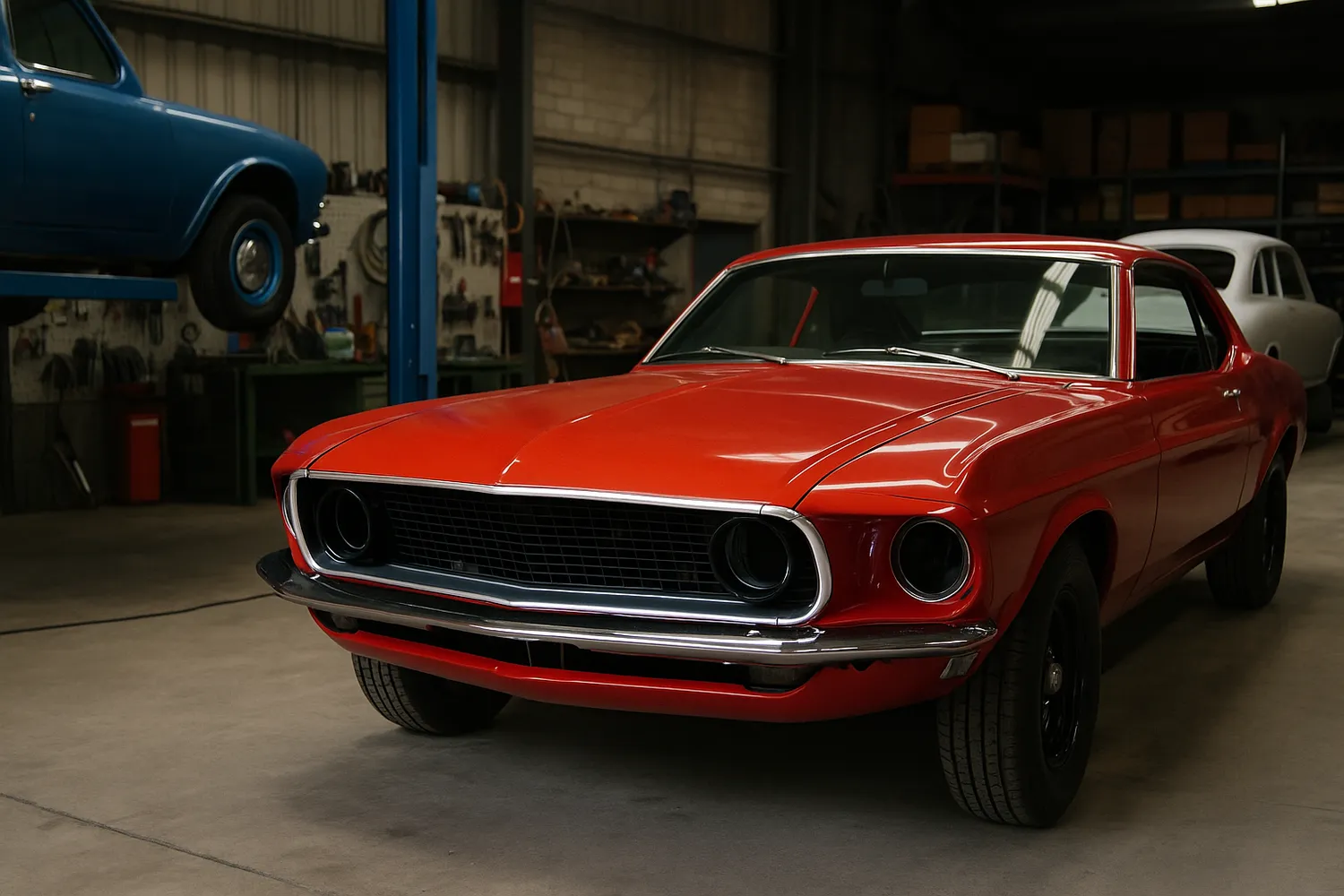
Car Brands have shaped how enthusiasts build identity, form memory, and decide what deserves to be preserved. For restoration communities across Australia, a badge is never just a technical specification or a sourcing label. It is shorthand for a period in history, a sensory memory of first drives, and the soundtrack of weekend rebuilds. Some marques fade, others harden into cultural landmarks, and the question is no longer whether they are mechanically better, but why they became mythic.
Among restorers, legacies are inherited more than purchased. The affection for specific Brands is built through stories told in garages rather than dealership brochures. When a builder spends months chasing chrome trim or authentic panel lines, the investment is emotional rather than transactional. What distinguishes these iconic names is how they have become part of personal biography, not simply automotive engineering.
In cultural analysis pieces on https://editor.telescope.ac/ that examine nostalgia and fandom, there is often a similar pattern. Objects become identity markers. Car Brands are no different. A Mustang fastback is rarely praised for fuel economy; it is remembered for its silhouette on childhood posters, the low idle rumble outside a parent’s house, the sense of escape embedded in its V8 expression.
When Design Outlives Its Decade
Not all form language survives, but certain Brands managed to leave visual fingerprints so distinct they became timeless cues. The Camaro rear profile, the Falcon GT stripe identity, the Corvette hood stance: each tells a story of a decade without needing narration. Their design signatures became cultural signatures, which explains why restoration communities guard authenticity so fiercely.
Telescope’s culture and design features regularly examine how nostalgia carves its own legitimacy. The same applies in the workshop. Purists may insist on carburettor geometry and era-correct fasteners, while hybrid builders lean into updated drivetrains and discreet electronics. Across these viewpoints, the badge remains central. Without the identity of the original maker, the project loses its historic spine.
Why Some Brands Become Sacred
Sacred Brands are not always the most technically efficient. What they achieve is something closer to myth. A badge becomes a symbol of adolescence, of first acceleration, of belonging to a group that met in quiet industrial estates on Friday nights.
Restoration forums are filled with affectionate disputes over whether Holden loyalty surpasses American muscle allegiance, or whether a Ford badge carries more narrative weight than its rival. The emotion in those debates outweighs torque curves. Certain Brands cement themselves because people attach personal rites of passage to them.
The identity-driven essays on https://editor.telescope.ac/ that explore subculture dynamics pair seamlessly with this phenomenon. Car identity is simply another subculture—built on shared memory, mechanical language, and weekends spent coaxing seized bolts back to movement.
Parts, Access, and the Modern Supply Line
In earlier decades, scarcity helped form the mythology. Sourcing original trim or drivetrain assemblies felt like treasure hunting. Today, licensed suppliers and reputable importers have expanded the available catalogue while maintaining authenticity standards. It is in this progression that access becomes part of cultural maintenance.
Even with improved supply infrastructure, restoration communities continue to value correctness and provenance. That is where the ability to Explore Brands at Cruisin Automotive enters the contemporary discussion organically. Instead of purchasing for speed, restorers choose based on lineage. They seek original maker intent, not only replacement fit. When availability aligns with heritage, it strengthens the emotional durability of those automotive names.
Transmission Through Generations
Iconic Brands survive not because manuals are preserved but because memories are. A grandparent passing down a 1970s Holden rebuild does more than hand over hardware. They pass a narrative about Australian roads, fuel smell, and a time when Sunday drives were an event.
Modern restoration circles feel less like engineering clubs and more like archival keepers. Each project keeps a slice of cultural machinery alive, even if upgrades quietly sit under the chassis. New fluids, modern brake lines, quieter belts: all accepted, so long as the badge—and the story it carries—remains intact.
Will New Brands Become Iconic?
The transition to electric platforms is testing the gatekeepers. EV conversion shops are beginning to intersect with classic body lines, and younger enthusiasts are curious rather than hostile. A Tesla badge may not yet carry the emotional depth of a Mustang emblem, but time determines these things. When a current generation becomes nostalgic in decades to come, today’s daily EV commuters could become the new mechanical archivists, seeking preserved battery housings the same way earlier builders hunted carburettors.
No matter how powertrains shift, the cultural essence of Brands may continue to thrive because symbolism is more durable than fuel type. If the fastback profile, the grille language, and the interior scent of vinyl can evoke memory fifty years from now, then icon status remains reachable.
Conclusion
In the restoration world, mechanical integrity matters, but narrative integrity matters more. Car Brands that become icons are elevated by memory, defended by collectors, and kept alive through meticulous rebuilds. Their value is not a market figure but a shared heritage that refuses to dim beneath replacement parts, new paint, or contemporary tuning logic. When enthusiasts rebuild, they preserve more than machinery. They preserve the stories welded into each badge.