Hydraulic systems depend heavily on pump technology to generate reliable fluid power. Among the most widely used designs are the internal and external gear pump configurations. Both types are valued for their durability, simplicity, and consistent performance, yet each offers distinct advantages depending on the application.
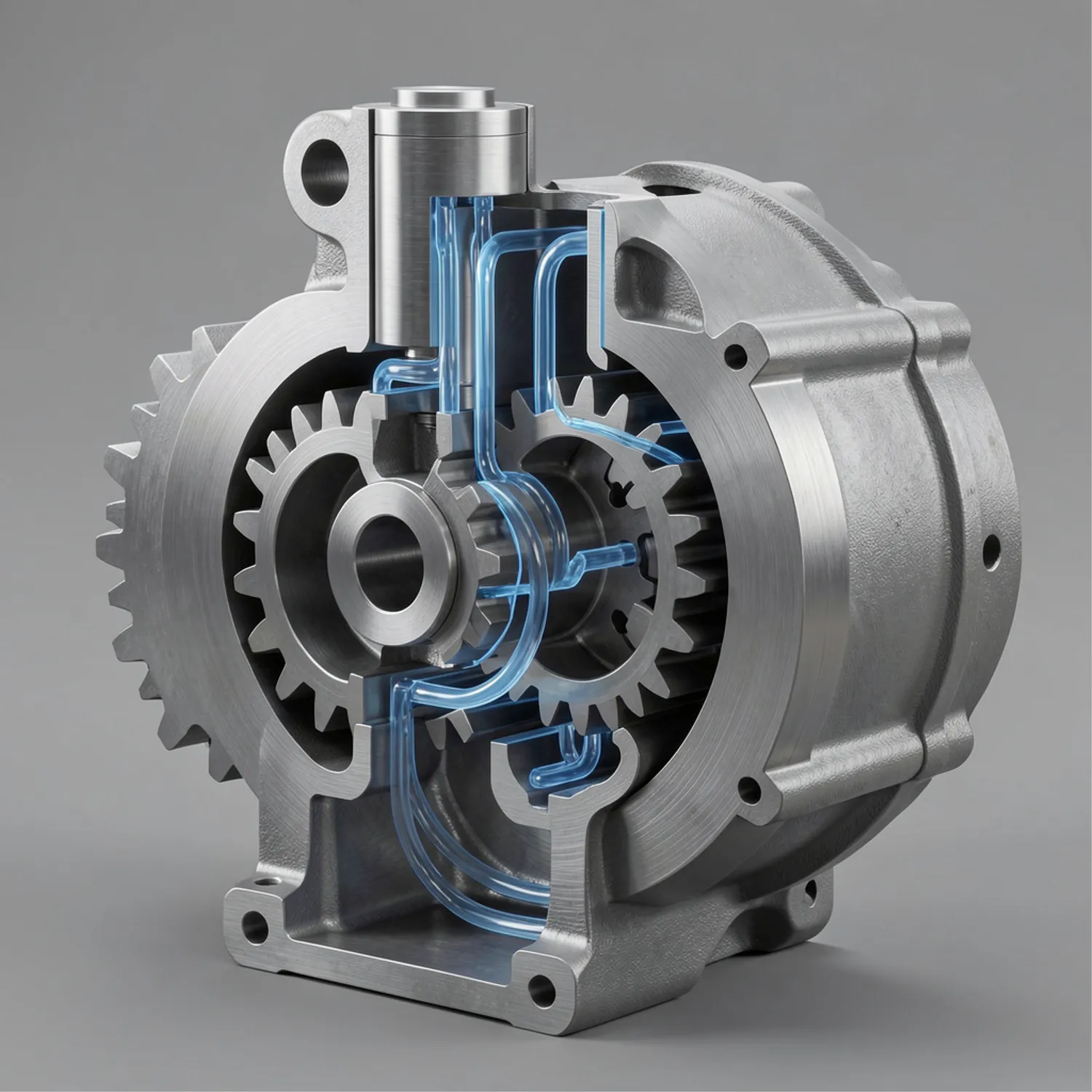
Whether paired with a hydraulic internal gear pump in precision systems, integrated into a servo drive hydraulic pump setup, or used to power small hydraulic motors, gear pumps remain essential in modern industrial and mobile machinery. For businesses evaluating hydraulic motors for sale, understanding pump compatibility is equally important for achieving balanced system performance.
What Is a Gear Pump?
A gear pump is a positive displacement pump that moves fluid by trapping it between rotating gears and transferring it from the inlet to the outlet. Because fluid is physically carried within gear cavities, flow output is consistent and predictable.
Gear pumps are known for:
Simple mechanical design
High reliability
Compact size
Steady flow characteristics
Ease of maintenance
The two primary designs—internal and external gear pump systems—differ in structure and performance characteristics.
External Gear Pump Overview
An external gear pump consists of two identical gears that mesh together inside a housing. As the gears rotate, fluid is drawn into the spaces between the gear teeth and carried around the casing to the discharge side.
External gear pumps are widely used due to their:
Mechanical simplicity
Cost-effectiveness
Ability to handle high pressures
Compact construction
They are commonly found in mobile machinery, agricultural equipment, and industrial systems where ruggedness is essential.
However, external gear pumps may produce slightly more noise and flow pulsation compared to internal designs.
Hydraulic Internal Gear Pump Design
A hydraulic internal gear pump operates using a smaller external gear positioned inside a larger internal ring gear. The two gears rotate in the same direction, creating expanding cavities that draw in fluid and contracting spaces that discharge it.
This design offers several advantages:
Smoother and quieter operation
Lower flow pulsation
Improved efficiency at moderate pressures
Reduced vibration
Because of these characteristics, the hydraulic internal gear pump is often selected for applications requiring stable flow and precise motion control.
Comparing Internal and External Gear Pump Systems
When deciding between internal and external gear pump types, system requirements play a crucial role.
External gear pumps are typically preferred for high-pressure applications where durability and cost control are priorities. Their straightforward construction makes them easy to maintain and replace.
Internal gear pumps, on the other hand, excel in environments where noise reduction and smooth performance are critical. Their steady output makes them well suited for applications demanding consistent fluid delivery.
Both types provide dependable performance, but selecting the right design ensures optimal efficiency and longevity.
Integration with Servo Drive Hydraulic Pump Systems
Modern hydraulic technology increasingly incorporates servo control. In a servo drive hydraulic pump configuration, motor speed adjusts dynamically based on system demand.
When combined with internal and external gear pump designs, servo control offers several advantages:
Energy savings through demand-based operation
Reduced heat generation
Improved motion precision
Enhanced pressure stability
A hydraulic internal gear pump is particularly well suited for servo-driven systems because of its smooth flow characteristics. However, external gear pumps can also perform effectively when properly matched to system requirements.
The combination of gear pump technology and servo drive control transforms traditional hydraulic setups into intelligent and energy-efficient systems.
Powering Small Hydraulic Motors
Small hydraulic motors require consistent and reliable flow to perform efficiently. Gear pumps, both internal and external, are commonly used to supply fluid to these motors.
When paired correctly, the pump and motor work together to deliver:
Stable torque output
Reduced vibration
Balanced pressure levels
Long service life
In compact machinery where space is limited, gear pumps offer an ideal solution due to their small footprint and reliable operation.
Matching Pumps with Hydraulic Motors for Sale
When evaluating hydraulic motors for sale, it is important to consider pump compatibility. Selecting the right internal and external gear pump configuration ensures that the motor receives the appropriate flow and pressure.
Key factors to evaluate include:
Required operating pressure
Desired flow rate
Duty cycle
Environmental conditions
System efficiency goals
Proper matching prevents energy waste and reduces mechanical stress, extending the lifespan of both pump and motor.
Energy Efficiency and Operational Benefits
Although gear pumps are mechanically simple, they can deliver impressive efficiency when integrated properly. In servo drive hydraulic pump systems, motor speed is adjusted to match load requirements, eliminating unnecessary energy consumption.
This results in:
Lower operating costs
Reduced heat buildup
Longer hydraulic oil life
Decreased wear on seals and components
Both internal and external gear pump systems can benefit from this demand-based control approach.
Applications Across Industries
Gear pump technology is used in a wide range of applications, including:
Construction equipment
Agricultural machinery
Manufacturing presses
Injection molding machines
Material handling systems
Mobile hydraulic units
In each case, reliability and performance are key considerations. Internal gear pumps are often chosen for quieter indoor environments, while external gear pumps dominate heavy-duty outdoor machinery.
Maintenance and Durability
One of the primary advantages of internal and external gear pump systems is their durability. With proper maintenance, these pumps can operate for extended periods with minimal issues.
Routine care typically includes:
Monitoring hydraulic fluid cleanliness
Replacing filters regularly
Inspecting seals and fittings
Checking for abnormal noise or vibration
Maintaining clean oil is especially important, as contamination can reduce efficiency and accelerate wear.
The Future of Gear Pump Technology
As hydraulic systems evolve, gear pumps continue to adapt. Improved materials, tighter manufacturing tolerances, and digital integration capabilities enhance both performance and reliability.
When combined with servo drive hydraulic pump technology and optimized for use with small hydraulic motors, modern gear pumps deliver intelligent and efficient solutions for today’s demanding applications.
Conclusion
The internal and external gear pump remains a foundational component in hydraulic engineering. Each design offers distinct benefits, from the rugged simplicity of external gear pumps to the smooth and efficient operation of a hydraulic internal gear pump.
When integrated into servo drive hydraulic pump systems and paired with small hydraulic motors, gear pumps provide reliable and energy-efficient performance. For those evaluating hydraulic motors for sale, understanding pump compatibility ensures balanced system design and long-term operational success.
By selecting the appropriate gear pump type and integrating it thoughtfully within the hydraulic system, industries can achieve durability, efficiency, and consistent power delivery across a wide range of applications.