The evolution of fluid power technology has led to one of the most advanced solutions in modern motion control—the servo motor hydraulic pump. By combining the responsiveness of servo motors with the strength of hydraulic power, this system delivers unmatched precision, energy efficiency, and adaptability.
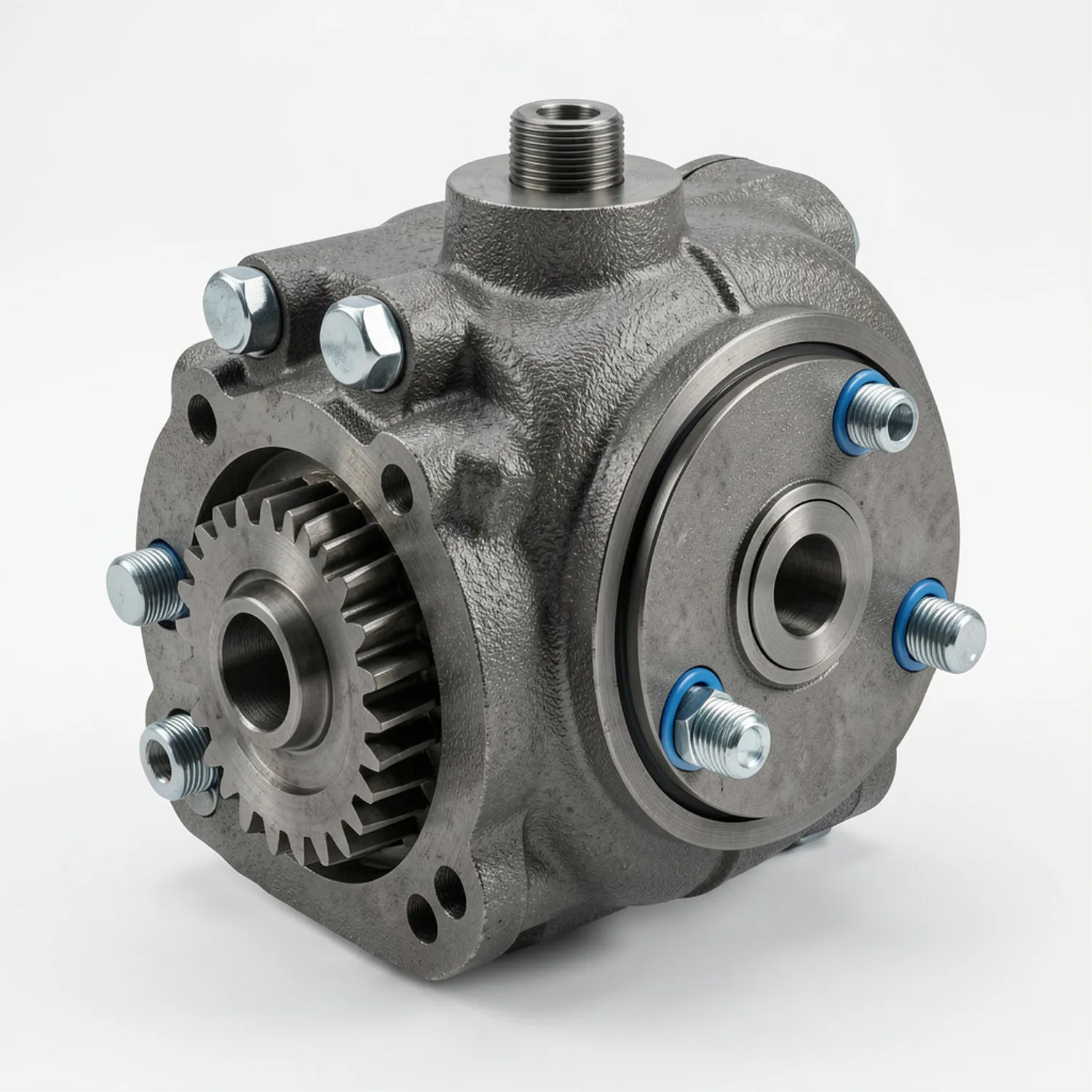
Unlike traditional constant-speed hydraulic systems, servo-based hydraulic systems operate on demand. They generate only the flow and pressure required at any given moment, making them ideal for applications that demand high accuracy, low energy consumption, and smooth operation.
What Is a Servo Motor Hydraulic Pump?
A servo motor hydraulic pump integrates a high-performance servo motor with a hydraulic pump. Instead of running continuously at fixed speed, the servo motor adjusts its rotation speed in real time based on system requirements.
This means:
- Pressure is produced only when needed
- Flow is precisely controlled
- Energy waste is significantly reduced
- Heat generation is minimized
The result is a hydraulic system that behaves more like an electric drive system—responsive, quiet, and highly controllable.
How a Servo Motor Driven Hydraulic Pump Works
A servo motor driven hydraulic pump uses feedback signals from sensors and controllers to adjust motor speed instantly. When an actuator moves, the servo motor increases speed to supply flow. When the actuator stops, the motor slows or completely stops.
This dynamic control provides several advantages:
- Precise motion control
- Faster response times
- Reduced noise
- Lower operating costs
Instead of relying on pressure relief valves to manage excess flow, the system simply produces exactly what is needed.
Energy Efficiency and Cost Savings
Traditional hydraulic systems waste energy by continuously circulating oil, even when no movement occurs. In contrast, a servo motor hydraulic pump operates on demand.
Energy savings often include:
- 30–70% reduction in power consumption
- Lower cooling requirements
- Extended oil lifespan
- Reduced maintenance frequency
Because the motor runs only when required, there is less mechanical wear, improving long-term reliability.
Role of Sensors in Precision Control
Precision is only possible when feedback is accurate. A linear position sensor for hydraulic cylinder plays a critical role in servo-controlled hydraulic systems.
These sensors measure the exact position of the cylinder rod in real time and send data to the controller. The servo motor adjusts pump output based on this feedback, ensuring:
- Smooth acceleration and deceleration
- Accurate positioning
- Repeatable movement cycles
- Reduced overshoot
This is especially important in applications like lifting platforms, injection molding, and mobile equipment stabilization.
The Value of a Low Cost Linear Position Sensor
While high-end sensors offer advanced features, many applications benefit from a low cost linear position sensor that still provides reliable and accurate feedback.
Modern low-cost options offer:
- Compact design
- Simple installation
- Good measurement accuracy
- Durable construction
When integrated with a servo motor hydraulic pump, even affordable sensors can deliver impressive motion control performance. This makes advanced hydraulic control accessible to more industries and smaller operations.
Integration into Hydraulic Systems for Mobile Equipment
The demand for intelligent and energy-efficient operation is growing rapidly in hydraulic systems for mobile equipment.
Mobile machinery such as:
- Excavators
- Agricultural vehicles
- Construction lifts
- Utility service trucks
all benefit from servo-controlled hydraulics.
In mobile applications, a servo motor hydraulic pump offers:
- Reduced fuel consumption
- Lower noise levels
- Improved control during precision tasks
- Faster response in dynamic conditions
Because mobile equipment often operates in variable load environments, the adaptability of servo systems makes them especially effective.
Improved Motion Control and Accuracy
One of the biggest advantages of servo-driven hydraulics is motion accuracy. When paired with a linear position sensor for hydraulic cylinder, the system can:
- Hold position without drift
- Adjust pressure instantly
- Compensate for load changes
- Maintain stable movement under varying forces
This level of control bridges the gap between electric servo systems and traditional hydraulics—combining force with finesse.
Reduced Heat and Noise
Since the servo motor hydraulic pump operates only when needed, heat buildup is significantly reduced. Less wasted energy means:
- Smaller cooling systems
- Lower operating temperatures
- Longer component life
Additionally, the motor slows down or stops when idle, dramatically lowering system noise compared to conventional hydraulic setups.
This makes servo-based systems suitable for indoor operations and environments where quiet performance is essential.
Compact and Flexible Design
A servo motor driven hydraulic pump often requires fewer components than traditional hydraulic systems. There is no need for large accumulators or oversized cooling units.
This leads to:
- Smaller overall footprint
- Easier installation
- Greater design flexibility
- Simplified maintenance
For machine designers, this flexibility allows integration into both new equipment and retrofitting projects.
Enhanced System Intelligence
Modern servo systems can be integrated with programmable controllers, enabling advanced features such as:
- Real-time diagnostics
- Predictive maintenance alerts
- Remote monitoring
- Data-driven performance optimization
When combined with accurate sensor feedback—including low cost linear position sensor options—operators gain full visibility into system performance.
Applications Across Industries
Servo motor hydraulic pumps are now used in:
- Injection molding machines
- Press systems
- Metal forming equipment
- Mobile construction machinery
- Industrial automation systems
- Lifting and positioning platforms
In each case, the ability to precisely control pressure and flow results in better productivity and reduced operational costs.
Reliability and Long-Term Performance
Despite their advanced control features, servo motor hydraulic pumps are built for durability. Because the motor does not constantly run at full speed:
- Mechanical wear is reduced
- Bearings last longer
- Pump lifespan increases
- Maintenance intervals extend
This combination of intelligence and durability makes servo-driven systems a strong long-term investment.
The Future of Hydraulic Control
As industries continue to demand higher efficiency and precision, servo motor hydraulic pump technology will become increasingly common. With integration into hydraulic systems for mobile equipment and industrial machinery alike, these systems are redefining how fluid power operates.
By pairing intelligent servo control with accurate feedback from a linear position sensor for hydraulic cylinder—even cost-effective options—manufacturers can achieve exceptional performance without unnecessary complexity.
Conclusion
The servo motor hydraulic pump represents the next generation of hydraulic power. Through real-time speed control, advanced sensor integration, and efficient operation, it delivers precise motion, reduced energy consumption, and improved reliability.
Whether used in stationary industrial equipment or dynamic hydraulic systems for mobile equipment, a servo motor driven hydraulic pump—combined with a linear position sensor for hydraulic cylinder or even a low cost linear position sensor—creates a smarter, more responsive hydraulic solution ready for modern performance demands.