In the world of fluid power, reliability and consistency are everything. Whether it’s heavy industrial machinery, automated production lines, or mobile construction equipment, hydraulic systems depend on pumps that can deliver stable pressure and smooth flow. Among the most trusted solutions in this space is the hydraulic internal gear pump. Known for its quiet operation, efficiency, and compact design, this pump type has become a cornerstone of modern hydraulic engineering.
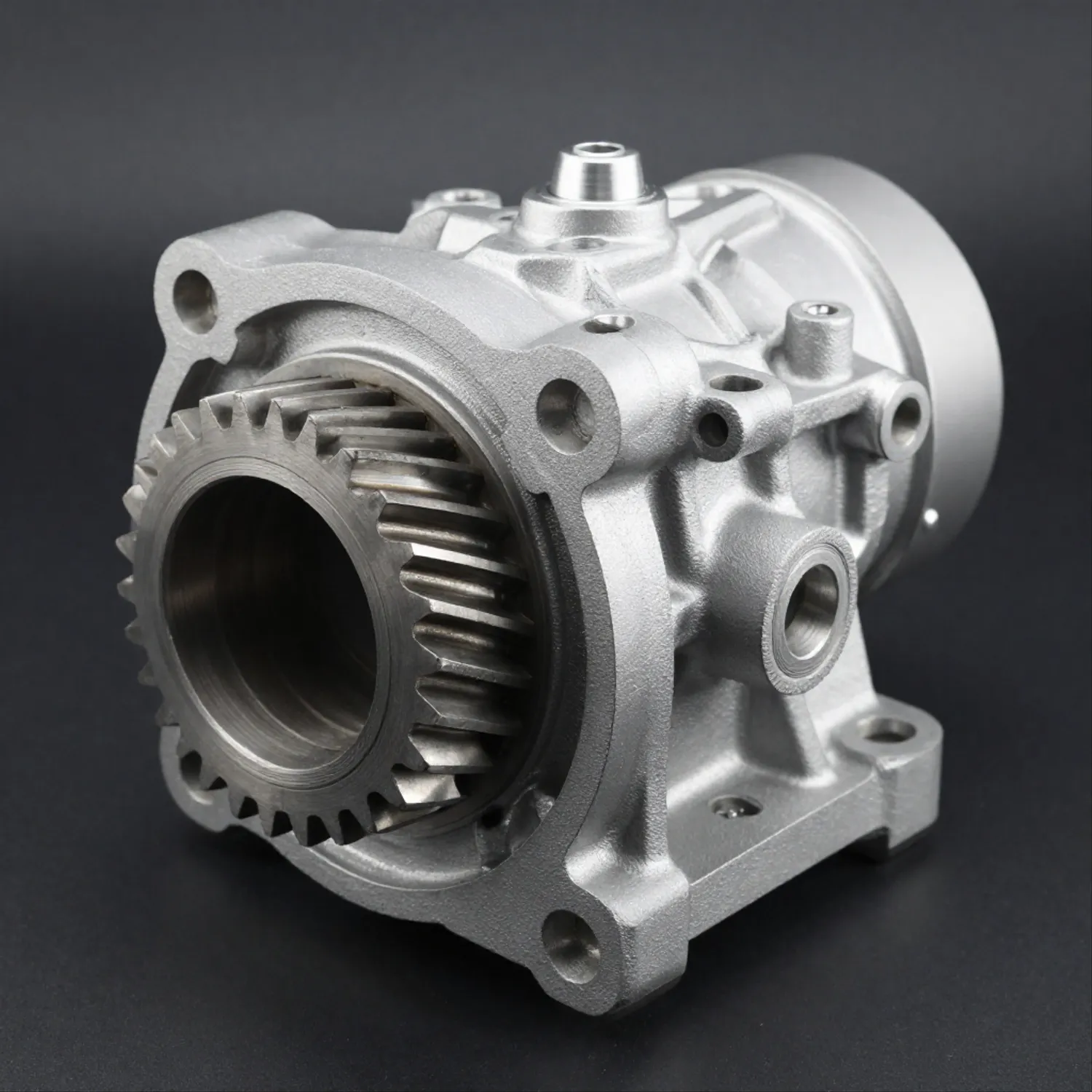
While many pump technologies exist, internal gear designs offer a balance of durability and precision that makes them especially attractive in applications where performance must remain steady under varying loads. When combined with advanced technologies such as a servo drive hydraulic pump system or paired with small hydraulic motors, internal gear pumps help create fluid power systems that are not only powerful but also intelligent and energy-conscious.
Understanding how these pumps work, where they are best applied, and how they compare to internal and external gear pump alternatives provides valuable insight for engineers, system designers, and equipment manufacturers.
The Working Principle Behind Internal Gear Pumps
At the heart of a hydraulic internal gear pump are two meshing gears: a larger internal gear with inward-facing teeth and a smaller external gear that rotates inside it. These gears turn in the same direction. As they rotate, hydraulic fluid becomes trapped in the spaces between the gear teeth and the pump housing. This fluid is then carried from the inlet side to the outlet side, where it is discharged under pressure.
What makes this design particularly effective is the way it maintains a consistent seal between the gears and the casing. This minimizes leakage and ensures steady flow with very little pulsation. The result is smoother system operation, reduced vibration, and less mechanical stress on connected components such as valves and motors.
Compared to other pump types, internal gear pumps operate with relatively low noise levels. This characteristic makes them ideal for environments where operator comfort and sound control are important considerations.
Why Internal Gear Pumps Stand Out
Hydraulic systems are only as reliable as their core components. Internal gear pumps have earned their reputation for several reasons. They deliver stable performance across a wide range of pressures and speeds. Their compact construction allows them to fit into tight installation spaces without sacrificing output capacity. They also handle a variety of hydraulic fluids effectively, which adds flexibility in system design.
One of the most important advantages is efficiency. Because the gear engagement is continuous and fluid movement is smooth, internal losses are reduced. This contributes to better energy utilization and less heat generation. Lower heat means less strain on cooling systems and longer service life for hydraulic oil.
These characteristics make internal gear pumps a preferred option in applications that demand both precision and durability.
Integration with Servo Drive Hydraulic Pump Systems
Modern hydraulic systems are evolving beyond traditional constant-speed operation. A servo drive hydraulic pump setup introduces electronic control to the equation, allowing motor speed to adjust dynamically based on real-time demand. When an internal gear pump is driven by a servo-controlled motor, the system gains a new level of intelligence.
Instead of running at full speed continuously, the pump operates only as fast as necessary to meet load requirements. This reduces wasted energy during idle periods and minimizes pressure spikes during sudden changes in demand. The internal gear pump’s smooth flow characteristics complement the precise control offered by the servo drive.
In manufacturing environments such as injection molding or metal forming, this combination improves cycle accuracy and repeatability. In mobile machinery, it enhances fuel efficiency and reduces engine load. The integration of mechanical efficiency with electronic precision represents a significant advancement in hydraulic technology.
Supporting Small Hydraulic Motors
Internal gear pumps often work in tandem with small hydraulic motors, especially in compact or mobile equipment. These motors convert hydraulic energy back into mechanical rotation, powering conveyors, winches, attachments, and other rotating devices.
Because small hydraulic motors require consistent flow to maintain stable torque output, the smooth delivery provided by an internal gear pump is particularly beneficial. Fluctuations in flow can cause speed variations or vibration, which may affect performance and increase wear. The stable pressure characteristics of internal gear pumps help prevent these issues.
In addition, the compact nature of both the pump and the motor allows system designers to create efficient power units without excessive weight or size. This is especially important in agricultural machinery, utility vehicles, and portable industrial equipment.
Considering Hydraulic Motors for Sale in System Design
When evaluating hydraulic motors for sale, compatibility with the pump is a crucial factor. Flow rate, pressure capacity, and efficiency curves must align to ensure optimal performance. An internal gear pump’s steady output simplifies this matching process, making it easier to select a motor that operates within ideal parameters.
Working with suppliers that offer both pumps and motors can streamline the selection process. A well-matched system not only performs better but also experiences less wear, fewer breakdowns, and lower maintenance costs over time.
Thoughtful component pairing contributes to the overall reliability and longevity of the hydraulic system.
Comparing Internal and External Gear Pump Designs
Both internal and external gear pump types have their place in hydraulic engineering. External gear pumps feature two identical gears that mesh together inside a housing. They are widely valued for their simplicity, ruggedness, and cost-effectiveness.
Internal gear pumps, on the other hand, provide smoother flow and quieter operation. Their design typically results in lower pulsation and better efficiency at varying speeds. This makes them well-suited for applications requiring consistent pressure and reduced vibration.
The choice between internal and external gear pump designs often depends on application priorities. If budget and simplicity are primary concerns, external gear pumps may be appropriate. If noise reduction, flow stability, and precision are more important, internal gear pumps offer clear advantages.
Applications Across Industries
The versatility of hydraulic internal gear pumps allows them to serve in a broad range of industries. In manufacturing, they power presses, molding machines, and automated production systems. In construction equipment, they provide reliable hydraulic force for lifting and steering functions. In agriculture, they support attachments and hydraulic implements that require steady operation in demanding environments.
Mobile machinery benefits significantly from the compact size and smooth operation of internal gear pumps. Reduced vibration and consistent pressure contribute to improved operator comfort and equipment stability.
Even in specialized applications such as marine systems or material handling equipment, internal gear pumps deliver dependable performance under challenging conditions.
Energy Efficiency and Environmental Considerations
Energy efficiency has become a central focus in modern equipment design. Hydraulic systems that waste power not only increase operational costs but also generate excess heat and emissions. Pairing an internal gear pump with a servo drive hydraulic pump configuration helps address these concerns.
By adjusting motor speed according to load demand, the system reduces unnecessary energy consumption. Lower energy usage translates into reduced fuel or electricity costs and a smaller environmental footprint. Less heat generation also extends the life of hydraulic oil and reduces cooling requirements.
Sustainable design practices increasingly favor such adaptive systems, making internal gear pumps a key component in environmentally conscious engineering.
Maintenance and Long-Term Reliability
Like all hydraulic components, internal gear pumps require proper maintenance to ensure long service life. Clean hydraulic fluid is essential to prevent contamination-related wear. Regular inspection of seals, bearings, and alignment helps detect potential issues before they escalate.
One advantage of internal gear pumps is their robust construction. When operated within recommended pressure ranges and maintained properly, they can deliver years of dependable service. Their smooth operation also reduces stress on connected components, contributing to overall system durability.
Routine monitoring and preventative maintenance are far more cost-effective than reactive repairs. A well-maintained pump supports consistent system performance and reduces downtime.
The Future of Internal Gear Pump Technology
Hydraulic engineering continues to evolve alongside advancements in digital control and materials science. Internal gear pumps are being manufactured with improved machining precision and enhanced surface treatments, reducing friction and increasing efficiency.
Integration with smart monitoring systems allows operators to track performance metrics in real time. Predictive maintenance strategies are becoming more common, using data analysis to anticipate service needs before failures occur.
As industries seek to balance power, precision, and sustainability, the hydraulic internal gear pump remains a reliable foundation. Its ability to integrate seamlessly with servo drive hydraulic pump systems and support small hydraulic motors ensures its relevance in next-generation equipment designs.
Conclusion
The hydraulic internal gear pump stands as a proven and versatile solution in modern fluid power systems. Its smooth flow delivery, compact design, and operational efficiency make it suitable for a wide range of industrial and mobile applications. When integrated with servo-controlled drive systems and matched with compatible hydraulic motors for sale, it forms the backbone of reliable and energy-efficient machinery.
Understanding the distinctions between internal and external gear pump technologies helps engineers make informed design decisions. With proper selection, integration, and maintenance, internal gear pumps provide consistent performance and long-term value in today’s demanding hydraulic environments.